


As people age, maintaining emotional health and a sense of well-being becomes increasingly important. Many older adults face challenges such as loneliness, isolation, and changes in their social circles. Senior companionship offers a practical way to address these issues, providing not only company but also emotional support, encouragement, and a renewed sense of purpose. Whether through friends, family, or professional companions, these relationships can make a significant difference in daily life.
In this article, we’ll explore how having a reliable companion can enhance emotional wellness, support mental health, and contribute to a more fulfilling lifestyle for older adults. For those interested in holistic approaches to aging well, you may also find value in our guide on senior relaxation, which offers practical tips for stress relief and peaceful living.
The Importance of Companionship for Older Adults
Human connection is a fundamental need at every stage of life, but it becomes especially vital in later years. Social isolation and loneliness have been linked to a range of health concerns, including depression, cognitive decline, and even increased risk of chronic diseases. Regular interaction with a companion can help counteract these effects, offering emotional support and practical assistance in daily routines.
Companions can be family members, friends, or trained professionals who provide social engagement and a listening ear. The presence of someone who cares can boost self-esteem, reduce anxiety, and foster a sense of belonging. These positive outcomes are supported by research, such as the findings discussed in this review of social interventions for seniors.
How Senior Companionship Supports Emotional Wellness
Emotional wellness is closely tied to meaningful relationships and regular social contact. For many older adults, a companion provides more than just company—they offer empathy, encouragement, and a safe space to share feelings or concerns. This support can help manage stress, reduce feelings of loneliness, and promote a more positive outlook on life.
- Conversation and Connection: Regular chats, whether in person or over the phone, stimulate the mind and help maintain cognitive function.
- Shared Activities: Companions often participate in hobbies, walks, or games, which can lift spirits and provide a sense of accomplishment.
- Emotional Encouragement: Having someone to confide in can make it easier to cope with life’s challenges and transitions.
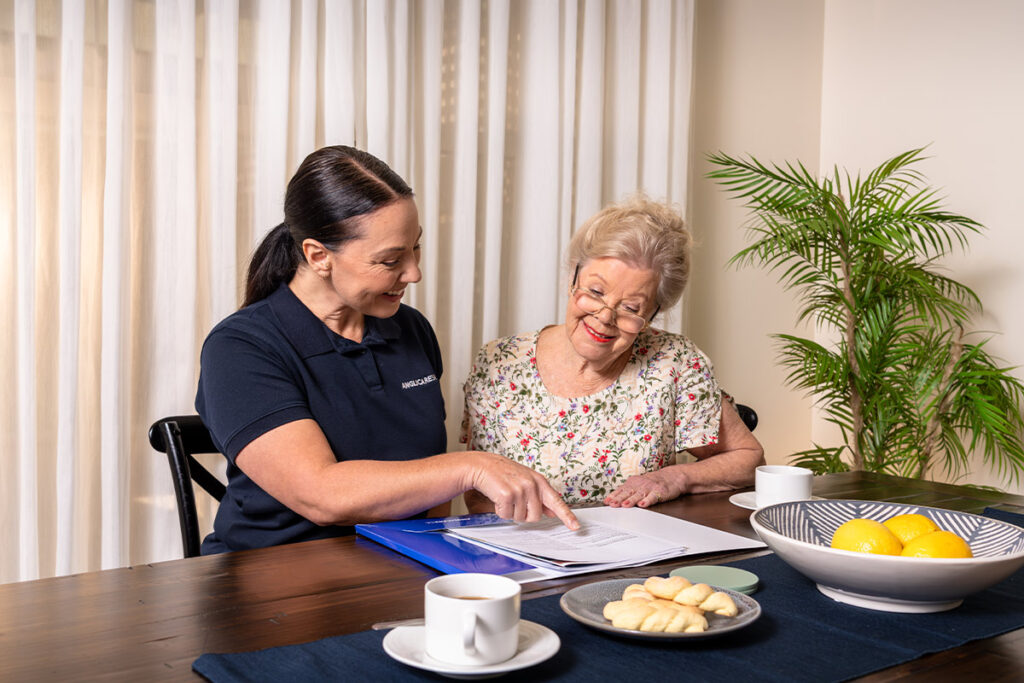
Key Benefits of Social Engagement for Seniors
Staying socially active has far-reaching effects on both mental and physical health. Companionship can help older adults remain engaged with their communities, maintain independence, and enjoy a higher quality of life. Some of the main benefits include:
- Reduced Risk of Depression: Regular social contact helps prevent feelings of isolation that can lead to depression.
- Better Cognitive Health: Engaging in conversation and activities supports memory and mental sharpness.
- Improved Physical Health: Companions often encourage healthy habits, such as regular exercise and balanced nutrition.
- Greater Sense of Purpose: Being needed and valued in a relationship fosters motivation and self-worth.
For those interested in maintaining an active lifestyle, our senior exercise guide offers practical tips for building strength and flexibility.
Types of Senior Companionship and How to Choose
There are several ways to find the right companion for an older adult, depending on individual needs and preferences:
- Family and Friends: Loved ones often provide natural companionship, offering familiarity and emotional closeness.
- Volunteer Programs: Many communities have programs where volunteers visit or call seniors regularly.
- Professional Services: Trained caregivers or companions can offer consistent support, especially for those with mobility or health concerns.
- Community Groups: Clubs, classes, and faith-based organizations provide opportunities to meet new people and build friendships.
When choosing a companion, consider factors such as shared interests, personality compatibility, and the level of support needed. Open communication and clear expectations help ensure a positive and lasting relationship.
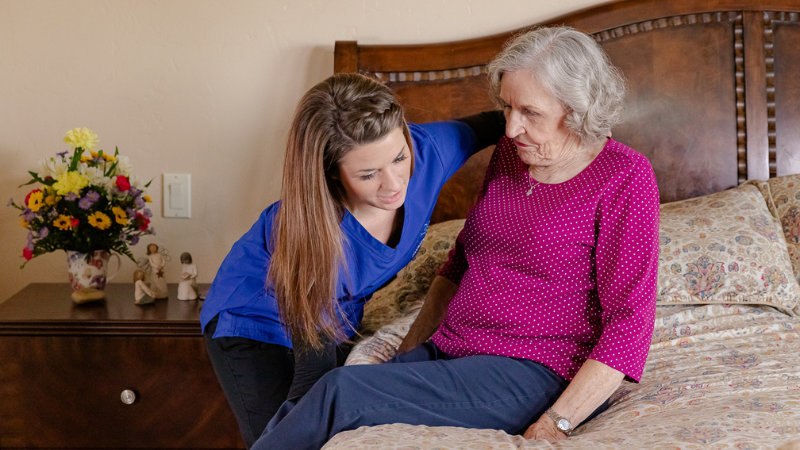
Integrating Companionship with Other Wellness Strategies
Building a support network is just one aspect of healthy aging. Combining regular companionship with other wellness practices—such as physical activity, relaxation techniques, and access to healthcare—can further enhance quality of life. For example, participating in group exercise or joining a club can provide both social and physical benefits.
If you’re looking for more ways to support emotional and physical well-being, our resources on senior therapy and senior healthcare offer additional guidance on therapy options and medical support tailored for older adults.
Practical Tips for Enhancing Social Connections
Strengthening social ties doesn’t always require major changes. Here are some actionable steps to foster meaningful relationships and emotional support:
- Schedule regular visits or calls with friends and family.
- Join local clubs or interest groups to meet new people.
- Volunteer or participate in community service projects.
- Consider professional companion services for consistent support.
- Use technology, such as video calls, to stay connected with distant loved ones.
These small efforts can lead to lasting improvements in mood, self-confidence, and overall wellness.
Frequently Asked Questions
What is the main purpose of senior companionship?
The primary goal is to provide emotional support, reduce feelings of loneliness, and enhance the overall well-being of older adults. Companions offer friendship, conversation, and practical help, contributing to a more fulfilling daily life.
How can I find a suitable companion for an elderly loved one?
Start by considering family, friends, or neighbors who can offer regular social contact. If additional support is needed, explore community volunteer programs or professional companion services. Look for individuals who share similar interests and values for the best match.
Are there proven health benefits to regular social interaction for seniors?
Yes, research shows that regular social engagement can lower the risk of depression, support cognitive function, and even improve physical health. For more details, see this review of social interventions for seniors.
How does companionship differ from caregiving?
While caregivers often assist with medical or daily living tasks, companions focus on providing social interaction, emotional support, and friendship. Both roles are important, but companionship is centered on building relationships and enhancing quality of life.
What other resources can help improve senior wellness?
In addition to building social connections, consider exploring resources on senior travel for safe and enjoyable trips, or our guides on exercise and healthcare for a holistic approach to aging well.