


Maintaining independence is a top priority for many older adults. As people age, routines and consistent oversight can play a crucial role in supporting both safety and well-being. Senior daily monitoring refers to the use of tools, routines, and technologies that help older adults manage their health, activities, and safety while living on their own. This approach can offer peace of mind for families and empower seniors to remain self-sufficient.
In this guide, we’ll explore the essentials of daily oversight for seniors, including practical strategies, technology options, and tips for building routines that promote confidence and autonomy. If you’re also considering technology aids, such as voice controlled tablets, these can further enhance independence and communication for older adults.
Why Consistent Oversight Matters for Older Adults
Establishing a daily routine and monitoring system can help seniors maintain their independence while reducing risks. Regular check-ins and structured schedules support:
- Health management: Tracking medication, meals, hydration, and exercise.
- Safety: Detecting falls, missed medications, or unusual behavior early.
- Mental well-being: Reducing isolation and providing reassurance.
- Family peace of mind: Keeping loved ones informed and involved without being intrusive.
For those living alone, these systems can bridge the gap between full independence and the need for assisted living, allowing older adults to age in place with dignity.
Key Components of Effective Senior Daily Monitoring
Successful daily oversight combines several elements tailored to each individual’s needs. The most effective solutions blend human support, technology, and simple routines.
1. Structured Daily Routines
Having a predictable schedule helps seniors remember important tasks and maintain a sense of control. A typical daily routine might include:
- Waking up and going to bed at consistent times
- Regular meal times and snacks
- Medication reminders
- Physical activity or stretching
- Social check-ins, whether by phone, video, or in person
For those new to technology, easy tablets for beginners can help set reminders and keep routines on track.
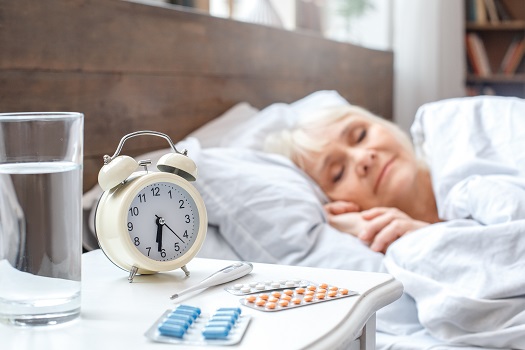
2. Technology for Daily Oversight
Modern devices make it easier than ever to monitor health and safety discreetly. Some popular options include:
- Wearable devices: Smart watches and fitness trackers can monitor heart rate, steps, sleep, and even detect falls.
- Medication dispensers: Automated pill boxes with alarms help prevent missed doses.
- Emergency phones: Devices with large buttons and emergency SOS button features provide quick access to help.
- Home sensors: Motion detectors and door sensors can alert caregivers to unusual activity.
Choosing the right technology depends on comfort level and specific needs. For those who prefer simplicity, large button cell phones are easy to use and reliable for daily check-ins.
3. Human Interaction and Support
While technology is helpful, human connection remains essential. Regular visits from family, friends, or caregivers can provide emotional support and help spot any changes in health or behavior. Scheduled phone or video calls also foster social engagement, which is vital for mental health.
Benefits of Daily Monitoring for Independent Seniors
Implementing a consistent oversight system offers several advantages for older adults and their families:
- Increased safety: Early detection of problems such as falls or missed medications.
- Better health outcomes: Improved adherence to medication and routines.
- Greater independence: Seniors can remain in their own homes longer.
- Reduced caregiver stress: Families can check in without constant worry.
Research shows that structured routines and monitoring not only improve physical health but also support emotional well-being. For more on creating effective routines, see this daily care plan resource from the Alzheimer’s Association.

Choosing the Right Tools for Everyday Oversight
There is no one-size-fits-all solution for daily support. Consider the following when selecting tools and routines:
- Comfort with technology: Some older adults prefer simple devices, while others enjoy exploring new gadgets.
- Health needs: Chronic conditions may require specialized monitoring, such as blood pressure or glucose tracking.
- Home environment: Apartment dwellers may need different solutions than those in larger homes.
- Budget: Costs can vary widely, from free apps to premium smart devices.
For those seeking user-friendly options, easy to use smartphones for seniors can be a practical choice for communication and reminders.
Tips for Implementing a Successful Daily Monitoring Routine
- Start simple: Introduce one or two new habits or devices at a time.
- Involve the senior: Collaborate on routines and technology choices to ensure buy-in.
- Review regularly: Adjust routines and tools as needs change.
- Encourage feedback: Listen to concerns and preferences to keep the system supportive, not intrusive.
- Combine approaches: Use both technology and personal check-ins for the best results.
FAQ
What Is Senior Daily Monitoring and Why Is It Important?
Daily monitoring for older adults involves regular oversight of health, safety, and daily activities. It can include routines, technology, and human support. This approach helps detect issues early, supports medication adherence, and provides reassurance for both seniors and their families.
What Technology Can Help With Daily Oversight?
Popular options include smart watches, emergency phones, medication dispensers, and home sensors. Devices like wearable trackers and phones with emergency SOS button features are especially helpful for those living alone.
How Can I Encourage an Older Adult to Accept Monitoring?
Involve the individual in decisions about routines and technology. Focus on how these tools support independence and safety, rather than limiting freedom. Start with simple solutions and build trust over time.
Are There Affordable Options for Daily Monitoring?
Yes, there are budget-friendly choices such as large button phones, free reminder apps, and basic wearable devices. Many solutions can be tailored to fit different needs and financial situations.