


The rapid advancement of senior technology is transforming the way older adults live, making daily life safer, more convenient, and more independent. From smart home devices to wearable health monitors, these innovations are designed to address the unique needs of aging individuals and their families. By integrating practical tech solutions, seniors can enjoy greater peace of mind, while caregivers and loved ones benefit from improved communication and support.
As the population ages, the demand for accessible and user-friendly technology continues to grow. Whether you’re a family member, caregiver, or older adult exploring new options, understanding the latest tools can make a significant difference in quality of life. For additional strategies on maintaining a healthy and active lifestyle, you may also find value in exploring senior wellness resources tailored to support holistic well-being.
Smart Home Devices for Enhanced Safety
One of the most impactful developments in senior technology is the integration of smart home devices. These tools are designed to prevent accidents, simplify routine tasks, and provide reassurance to both seniors and their families.
- Motion sensor night lights: Automatically illuminate hallways and bathrooms during nighttime hours, reducing the risk of falls.
- Smart door locks and video doorbells: Allow users to monitor visitors and control access remotely, increasing home security.
- Voice-activated assistants: Devices like Amazon Echo or Google Home can set reminders, control lights, and even call for help if needed.
- Automated thermostats: Maintain comfortable temperatures without manual adjustments, which is especially helpful for those with mobility challenges.
These smart solutions not only minimize hazards but also empower older adults to maintain their independence. For more ideas on creating a secure environment, consider reviewing senior safety tips that complement these technological advancements.
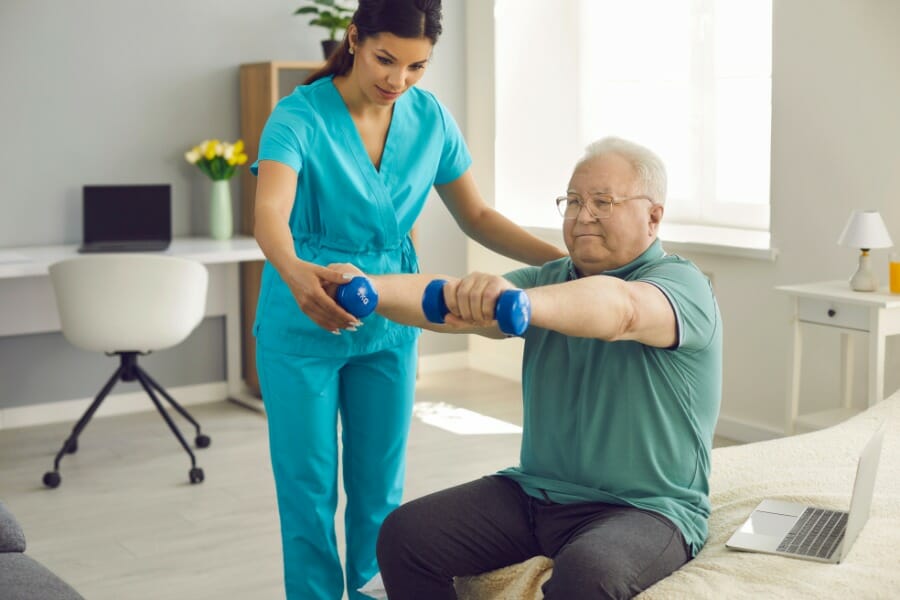
Wearable Devices and Health Monitoring
Another major area of progress is in wearable technology and remote health monitoring. These devices are designed to track vital signs, detect emergencies, and facilitate communication with healthcare providers.
- Medical alert systems: Wearable pendants or wristbands can instantly connect users to emergency services at the press of a button.
- Fitness trackers: Devices like Fitbit or Apple Watch monitor heart rate, activity levels, and sleep quality, supporting overall wellness.
- Fall detection sensors: Advanced wearables can automatically alert caregivers or family members if a fall is detected.
- Medication reminders: Smart pill dispensers and apps help ensure medications are taken on time, reducing health risks.
These technologies not only provide real-time health data but also foster a sense of security for both users and their loved ones. For those interested in maintaining an active lifestyle, senior fitness routines can be supported and tracked using many of these modern devices.
Mobility and Daily Living Aids
Innovations in senior technology have also made significant strides in supporting mobility and daily living. From smart canes to automated home systems, these solutions are designed to make everyday tasks easier and safer.
- Smart mobility aids: Devices such as GPS-enabled canes and walkers help track location and provide navigation assistance.
- Automated lighting and appliances: Voice or motion-activated controls reduce the need for manual switches, which is especially helpful for those with limited dexterity.
- Remote monitoring systems: Sensors placed throughout the home can alert caregivers to unusual activity or inactivity, ensuring timely intervention if needed.
For a deeper dive into practical tools and strategies for maintaining autonomy, the senior independence guide offers additional insights on living confidently at home.
Connecting with Caregivers and Family
Staying connected is a crucial aspect of well-being for older adults. Modern senior technology offers a range of communication tools that help bridge the gap between seniors, caregivers, and family members.
- Video calling platforms: Easy-to-use tablets and smartphones with large icons make it simple for seniors to stay in touch with loved ones.
- Remote check-in apps: Family members can receive updates or alerts about daily activities, ensuring peace of mind without being intrusive.
- Online support communities: Virtual groups provide social interaction and shared experiences, reducing feelings of isolation.
For those supporting loved ones with mobility challenges, practical advice on helping seniors with mobility aids can further enhance safety and independence.
Choosing the Right Solutions for Individual Needs
With so many options available, selecting the best senior technology depends on individual preferences, health conditions, and living arrangements. Here are some tips to guide your decision:
- Assess daily routines and challenges: Identify areas where technology can offer the most support, such as fall prevention, medication management, or communication.
- Prioritize ease of use: Look for devices with simple interfaces, clear instructions, and reliable customer support.
- Consider integration: Choose products that work together seamlessly, reducing complexity and enhancing overall safety.
- Involve the user: Whenever possible, include the senior in the selection process to ensure comfort and acceptance.
- Review privacy and security: Make sure any connected devices protect personal information and offer secure data transmission.
For more inspiration on creating a comfortable and independent lifestyle, explore senior lifestyle ideas that pair well with the latest tech tools.
Frequently Asked Questions
What are the most important features to look for in senior technology?
Key features include ease of use, reliability, emergency response capabilities, and compatibility with other devices. Look for products that offer clear instructions, accessible controls, and strong customer support. Safety features such as fall detection, medication reminders, and remote monitoring are especially valuable.
How can technology help seniors live independently?
Modern devices support independent living by automating routine tasks, enhancing safety, and providing health monitoring. Tools like smart home sensors, wearable alarms, and remote communication platforms allow older adults to manage daily activities with less reliance on caregivers, while still ensuring help is available when needed.
Are there affordable options for seniors on a budget?
Yes, there are many cost-effective solutions available. Basic motion sensor lights, medication reminder apps, and entry-level fitness trackers can be found at reasonable prices. Some community organizations and healthcare providers also offer discounts or assistance programs for essential technology.