


Staying engaged and making a difference in the community can be deeply rewarding, especially for older adults seeking purpose and connection. Senior volunteering offers a pathway to remain physically active, mentally stimulated, and socially connected, all while giving back in ways that truly matter. Whether you’re recently retired or looking to add more fulfillment to your routine, there are countless ways to get involved that match your interests, skills, and availability.
In this guide, you’ll find a variety of opportunities for older adults to volunteer, tips for getting started, and advice on choosing safe and suitable activities. If you’re also interested in relaxation techniques, you may want to explore senior relaxation for stress relief and peaceful living.
Benefits of Volunteering for Older Adults
Giving your time and energy to help others can have a positive impact on both your well-being and the community. Here are some key benefits of engaging in senior volunteering:
- Physical Activity: Many roles encourage movement, which supports strength and mobility.
- Mental Stimulation: Learning new tasks and solving problems helps keep the mind sharp.
- Social Connections: Volunteering is a great way to meet new people and reduce feelings of isolation.
- Sense of Purpose: Contributing to a cause provides meaning and satisfaction.
- Skill Sharing: Your experience and knowledge can benefit others and foster intergenerational learning.
These advantages make community engagement an excellent option for those seeking to maintain a vibrant and purposeful lifestyle.
Popular Ways to Get Involved in Senior Volunteering
There are many avenues for older adults to contribute their time and talents. Here are some of the most accessible and impactful options:
Supporting Local Nonprofits and Charities
Many organizations rely on volunteers for day-to-day operations. Consider helping at food banks, animal shelters, libraries, or community centers. Tasks might include sorting donations, assisting with events, or providing administrative support.
Mentoring and Tutoring
Sharing your expertise with younger generations can be especially rewarding. Schools, after-school programs, and literacy organizations often seek mentors and tutors for reading, math, or life skills. This type of senior volunteering fosters meaningful relationships and helps bridge generational gaps.
Environmental Conservation
If you enjoy the outdoors, look for opportunities to participate in park cleanups, tree planting, or community gardening. These activities promote physical activity and environmental stewardship.
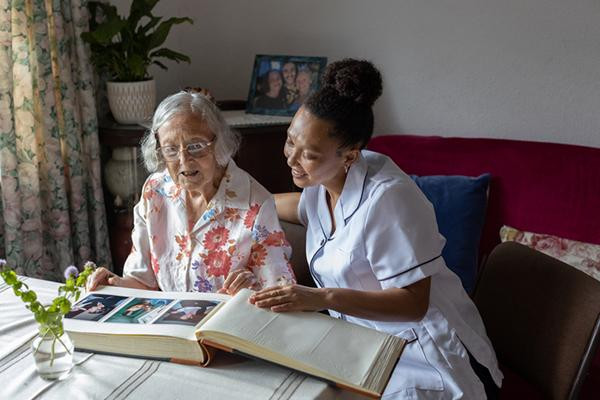
Hospital and Healthcare Volunteering
Hospitals, clinics, and care facilities often welcome volunteers for greeting visitors, delivering meals, or providing companionship to patients. If you have a healthcare background, your skills may be especially valuable. For more information on wellness and support, see the senior healthcare guide.
Arts, Culture, and Museums
If you have a passion for the arts, consider helping at museums, theaters, or cultural festivals. Roles might include guiding tours, assisting with exhibits, or supporting educational programs.
Faith-Based and Community Groups
Many religious and community organizations offer outreach programs, meal services, and support groups that rely on volunteers. These settings often foster a strong sense of belonging and shared purpose.
How to Choose the Right Volunteering Opportunity
Finding the best fit involves considering your interests, abilities, and schedule. Here are some steps to guide your decision:
- Assess Your Strengths: List your skills, experiences, and what you enjoy doing.
- Consider Your Health: Choose roles that match your physical abilities and comfort level. For ideas on staying fit, visit senior exercise tips.
- Decide on Commitment: Some positions require regular shifts, while others are flexible or project-based.
- Start Small: Try a short-term or one-time event to see if it’s a good match before committing long-term.
- Ask Questions: Inquire about training, support, and expectations before signing up.
Staying Safe and Comfortable While Volunteering
Safety is an important consideration, especially for older adults. Here are some practical tips to ensure a positive experience:
- Choose reputable organizations with clear policies and support for volunteers.
- Let someone know where you’ll be and when you expect to return.
- Bring any necessary medications or mobility aids.
- Stay hydrated and take breaks as needed.
- Review these safety tips for seniors to help prevent common risks.
Making the Most of Your Volunteering Experience
Once you’ve found a role that suits you, there are ways to maximize the benefits:
- Set personal goals for what you hope to achieve or learn.
- Stay open to new experiences and connections.
- Share your feedback with organizers to improve the program for everyone.
- Balance volunteering with other activities, such as travel or therapy. For inspiration, see senior travel ideas or explore senior therapy options.
Frequently Asked Questions
What are some easy ways for older adults to start volunteering?
Begin by reaching out to local nonprofits, libraries, or community centers to ask about open volunteer positions. Many organizations offer flexible roles that require minimal training. You can also look for opportunities through faith-based groups, schools, or online volunteer matching platforms.
How can volunteering benefit my health and well-being?
Engaging in community service can boost mental health by reducing loneliness and increasing feelings of purpose. Physical activities, such as gardening or event support, help maintain mobility and strength. Volunteering also provides opportunities for lifelong learning and social interaction.
Are there volunteering options for those with limited mobility?
Absolutely. Many organizations offer remote or seated tasks, such as making phone calls, writing letters, or assisting with administrative work. Some museums, libraries, and charities also have roles that can be adapted to suit different physical abilities.
Exploring senior volunteering is a meaningful way to stay active, share your talents, and enrich your own life while helping others. With so many options available, you’re sure to find an opportunity that fits your interests and lifestyle.