

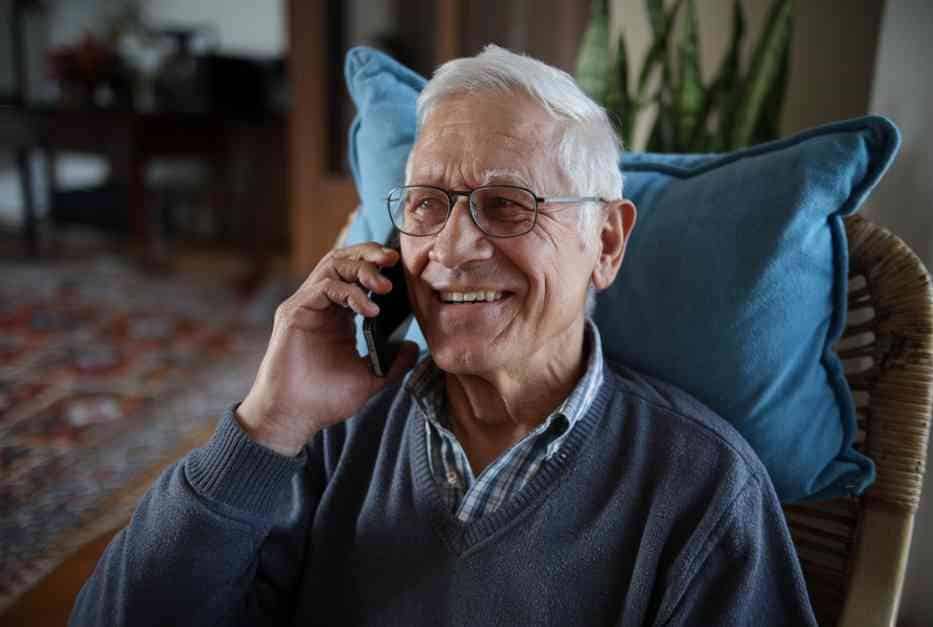
As more older adults choose to age in place, the demand for accessible healthcare solutions has grown rapidly. Telehealth devices for seniors are transforming how older adults manage their well-being, making it easier to connect with doctors, monitor vital signs, and stay on top of medications without leaving home. These tools are designed to be user-friendly, reliable, and tailored to the unique needs of seniors and their caregivers.
From smart tablets with large buttons to wearable health trackers, technology is helping bridge the gap between home and healthcare providers. By using these devices, older adults can enjoy greater independence and peace of mind, while families and medical professionals benefit from timely updates and remote monitoring. For those interested in staying connected with loved ones, video calling devices for grandparents offer another way to maintain relationships and reduce feelings of isolation.
Why Remote Health Tools Matter for Older Adults
The ability to access care from home has become increasingly important, especially for those with mobility challenges or chronic health conditions. Telehealth technology allows seniors to:
- Consult with healthcare professionals through video calls or secure messaging
- Track vital signs such as blood pressure, heart rate, and blood glucose
- Receive medication reminders and manage prescriptions
- Share health data with caregivers and doctors in real time
These benefits not only improve health outcomes but also reduce unnecessary trips to clinics or hospitals. For many families, telehealth solutions offer reassurance that loved ones are being monitored and supported, even from a distance.
Types of Telehealth Devices Designed for Seniors
A wide range of digital health tools are now available, each serving different needs. Here are some of the most popular options:
Tablets and Smartphones with Senior-Friendly Features
Specialized tablets, such as the GrandPad, are built with large icons, simplified menus, and voice-guided navigation. These devices make it easy for older adults to join video appointments, send messages, and access health apps. For those interested in learning more about accessible mobile technology, this guide to easy-to-use smartphones for seniors offers helpful insights.
Wearable Health Trackers and Emergency Alert Systems
Devices like pedometer watches, smartwatches, and medical alert pendants help track daily activity, heart rate, and detect falls. Many wearables can automatically notify caregivers or emergency services if a problem is detected. This real-time monitoring is especially valuable for those living alone or managing chronic illnesses.
Remote Monitoring Tools for Chronic Conditions
Blood pressure cuffs, glucometers, and pulse oximeters that sync with mobile apps allow seniors to record and share health data with their care team. These tools help manage conditions like hypertension, diabetes, and COPD, reducing the risk of complications and hospitalizations.
Key Features to Look for in Senior Telehealth Equipment
Not all digital health devices are created equal. When choosing a solution, consider the following features to ensure it meets the needs of older adults:
- Ease of Use: Large buttons, clear displays, and simple navigation are essential for those with vision or dexterity challenges.
- Accessibility: Voice commands, adjustable font sizes, and compatibility with hearing aids or screen readers can make a big difference.
- Battery Life: Devices with long-lasting batteries reduce the need for frequent charging.
- Reliable Connectivity: Stable Wi-Fi or cellular connections are necessary for real-time communication and data sharing.
- Customer Support: Access to live support or tutorials helps users and caregivers troubleshoot issues quickly.
Some devices also offer additional safety features, such as medication reminders, GPS tracking, and automatic emergency alerts.
How to Help Seniors Get Comfortable with Telehealth Technology
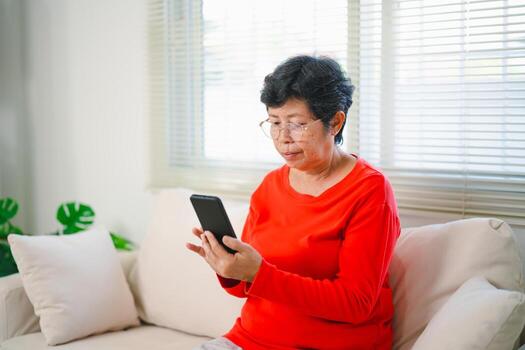
Adopting new technology can be challenging, especially for those unfamiliar with smartphones or tablets. Here are some practical tips to support older adults as they start using digital health tools:
- Start with a device designed specifically for seniors, which often includes helpful tutorials and guided setup.
- Offer hands-on demonstrations and practice sessions to build confidence.
- Set up devices in advance, including installing necessary apps and configuring emergency contacts.
- Encourage regular use by scheduling video calls with family or healthcare providers.
- Address privacy and security concerns by discussing safe online habits. For more information, see our guide on how seniors can avoid online scams.
Patience and ongoing support are key. Many older adults find that once they become familiar with these tools, they appreciate the convenience and added sense of security.
Benefits for Caregivers and Healthcare Providers
Telehealth devices for seniors offer significant advantages not just for users, but also for those who support them. Caregivers can monitor health data remotely, receive alerts about falls or missed medications, and communicate easily with medical professionals. Healthcare providers benefit from more accurate, up-to-date information, which can lead to better treatment decisions and fewer emergency visits.
These solutions also help reduce caregiver stress by providing reassurance and enabling more flexible care arrangements. With the right technology, families can support their loved ones’ independence while staying connected and informed.
Choosing the Right Device for Your Needs
When selecting a telehealth solution, consider the specific health conditions, daily routines, and comfort level with technology. It may be helpful to consult with a healthcare provider or occupational therapist, who can recommend devices that best fit the user’s needs. Reading reviews and trying out demo models can also help ensure a good match.
For those interested in exploring more digital tools, check out our recommendations for best apps for seniors and brain training apps for seniors to support cognitive health and daily living.
Frequently Asked Questions
Are telehealth devices safe and secure for older adults?
Most modern telehealth tools use encrypted connections and require secure logins to protect personal health information. It’s important to choose reputable brands and follow best practices for online safety. For additional tips, see our article on easy cybersecurity tools for elderly users.
Do seniors need Wi-Fi or internet access for these devices?
Many telehealth solutions require a stable internet connection for real-time communication and data sharing. Some devices offer cellular connectivity as an alternative. Be sure to check the requirements before purchasing.
What if a senior has trouble using technology?
Look for devices with simplified interfaces, voice assistance, and robust customer support. Family members or caregivers can also help with setup and troubleshooting. Practice and patience can make a big difference in building confidence.
Conclusion
The rise of telehealth devices for seniors is making it easier for older adults to manage their health from the comfort of home. With the right tools, seniors can stay connected to their care teams, monitor vital signs, and maintain independence. As technology continues to evolve, these solutions will play an even greater role in supporting healthy aging and peace of mind for families everywhere.