

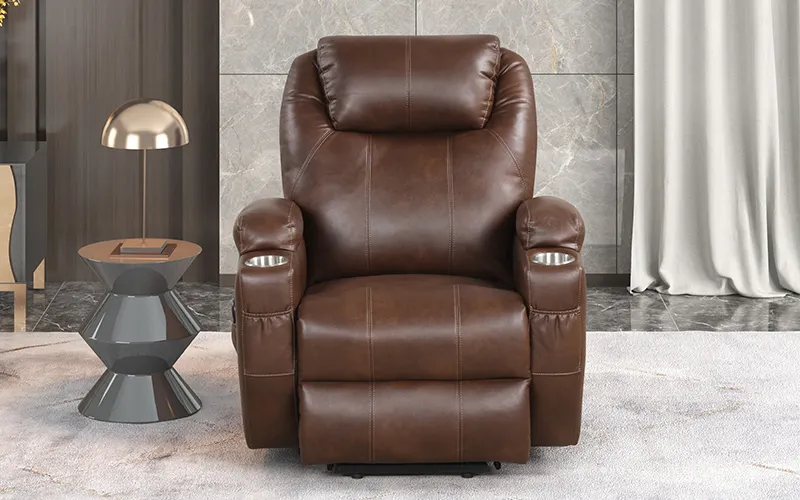
Finding the right recliner can make a significant difference for seniors dealing with knee discomfort. The right chair provides not only comfort but also crucial support for joints, making daily life easier and safer. With so many options available, it’s important to focus on features that genuinely help relieve knee pain and support mobility. This article shares practical advice and key considerations to help you select a recliner that meets the unique needs of older adults experiencing knee issues.
For those interested in other senior-friendly technology, you might also find our guide to voice controlled tablets helpful for enhancing independence at home.
Why Recliners Matter for Knee Pain Relief
Chairs designed with seniors in mind can offer much-needed relief for those with chronic knee problems. Recliners allow users to adjust their seating position, which can help reduce pressure on the knees and improve circulation. For individuals with limited mobility, a supportive chair can also make standing up and sitting down much easier, reducing the risk of falls or further injury.
Understanding the tips for choosing a recliner for knee pain is essential, as not all recliners are created equal. The right features can make a noticeable difference in daily comfort and mobility.
Key Features to Look for in a Recliner
When evaluating recliners for seniors with knee pain, focus on the following aspects to ensure the best fit:
- Lift Assistance: Recliners with lift mechanisms gently raise the seat, helping users stand up with minimal strain on their knees.
- Adjustable Positions: Multiple reclining angles allow users to find the most comfortable position for their joints and back.
- Firm, Supportive Cushioning: A seat that’s too soft can make it hard to get up, while one that’s too firm may not provide enough comfort. Look for balanced, high-density foam or memory foam options.
- Wide, Stable Base: A sturdy base prevents tipping and provides confidence when moving in and out of the chair.
- Easy-to-Use Controls: Simple buttons or remote controls are ideal for those with limited dexterity or vision.
- Height and Depth: The seat height should allow feet to rest flat on the floor, and the depth should support the thighs without putting pressure on the knees.
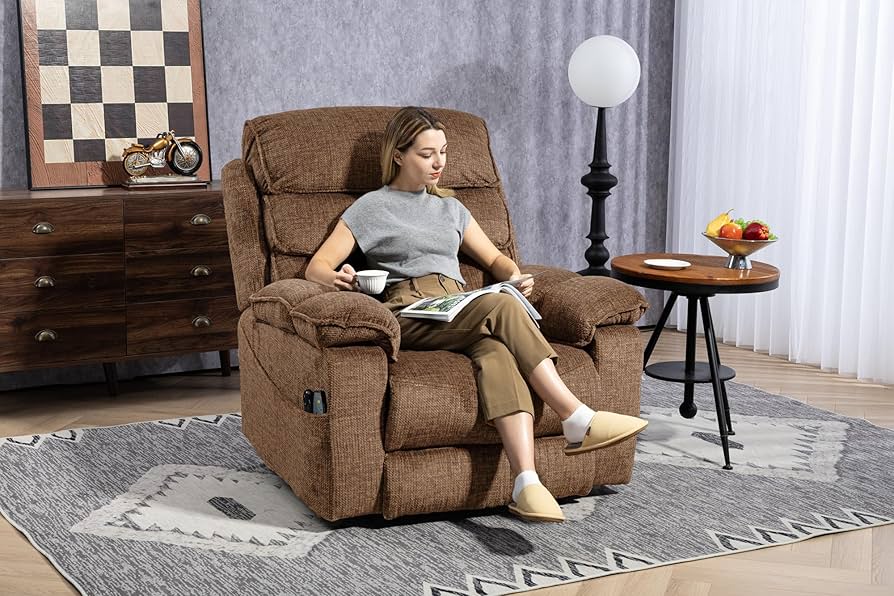
How to Match Recliner Features to Individual Needs
Every senior’s needs are unique, so it’s important to consider the specific challenges faced by the person who will use the chair. For example, those with severe arthritis may benefit most from a power lift recliner, while someone with mild discomfort might prioritize adjustable lumbar support. Take into account:
- Mobility Level: Can the user move easily, or do they need extra help standing up?
- Room Size: Make sure the recliner fits comfortably in the intended space and allows for full range of motion.
- Weight Capacity: Choose a chair that supports the user’s weight for safety and durability.
- Material Preferences: Leather and microfiber are popular for their durability and ease of cleaning, but some may prefer softer fabrics for comfort.
Consulting with a healthcare professional or occupational therapist can also help you identify the most beneficial features for knee pain management.
Comparing Manual vs. Power Recliners
One of the most important tips for choosing a recliner for knee pain is deciding between manual and power-operated models. Manual recliners require physical effort to adjust, which may not be suitable for those with limited strength or joint pain. Power recliners, on the other hand, use electric motors to adjust the seat and backrest, often including lift assistance for easier standing.
| Feature | Manual Recliner | Power Recliner |
|---|---|---|
| Ease of Use | Requires physical effort | Operated by remote or buttons |
| Lift Assistance | Rarely included | Common in many models |
| Price Range | Generally lower | Higher due to added features |
| Maintenance | Minimal | May require occasional servicing |
For seniors with significant knee pain or limited mobility, a power recliner is often the better choice, even if it comes at a higher price point.

Additional Considerations for Senior-Friendly Recliners
Beyond the core features, there are several extra touches that can make a recliner more comfortable and practical for seniors with knee pain:
- Side Pockets: Handy for storing remotes, reading glasses, or magazines within easy reach.
- USB Charging Ports: Useful for keeping devices charged without needing to get up.
- Massage and Heat Functions: Some recliners offer built-in massage or heat to soothe sore joints and muscles.
- Removable Covers: Easy-to-clean covers help maintain hygiene and extend the life of the chair.
It’s also wise to read reviews and, if possible, test out chairs in person to ensure the recliner meets all comfort and safety needs. For a broader perspective on the topic, you can check out this overview of recliner chairs for elderly people which discusses both advantages and potential drawbacks.
Maintenance and Safety Tips
Once you’ve selected a suitable recliner, ongoing care is important for both safety and longevity. Here are some maintenance tips:
- Check the stability of the chair regularly, especially if it’s moved often.
- Test the lift and reclining mechanisms to ensure smooth operation.
- Clean upholstery according to manufacturer instructions to prevent wear and tear.
- Keep the area around the recliner clear to avoid tripping hazards.
Regular maintenance not only extends the life of the chair but also ensures it remains a safe and supportive option for seniors with knee pain.
Frequently Asked Questions
What type of recliner is best for seniors with severe knee pain?
Power lift recliners are often the best choice for seniors with significant knee discomfort. These chairs gently raise the user to a standing position, reducing strain on the knees and making it easier to get up safely.
How do I know if a recliner is the right height for my needs?
The ideal seat height allows your feet to rest flat on the floor with knees at a 90-degree angle. This position reduces pressure on the joints and makes standing up easier. Most recliners list seat height in their specifications, so compare these to your own measurements before purchasing.
Are there any features to avoid in recliners for knee pain?
Avoid chairs that are too low, too deep, or have overly soft cushions, as these can make it difficult to stand up and may worsen knee pain. Look for firm support, easy-to-use controls, and a stable base for the best results.
Choosing the right recliner can improve comfort, mobility, and quality of life for seniors with knee pain. By focusing on supportive features and considering individual needs, you can find a chair that truly makes a difference.