

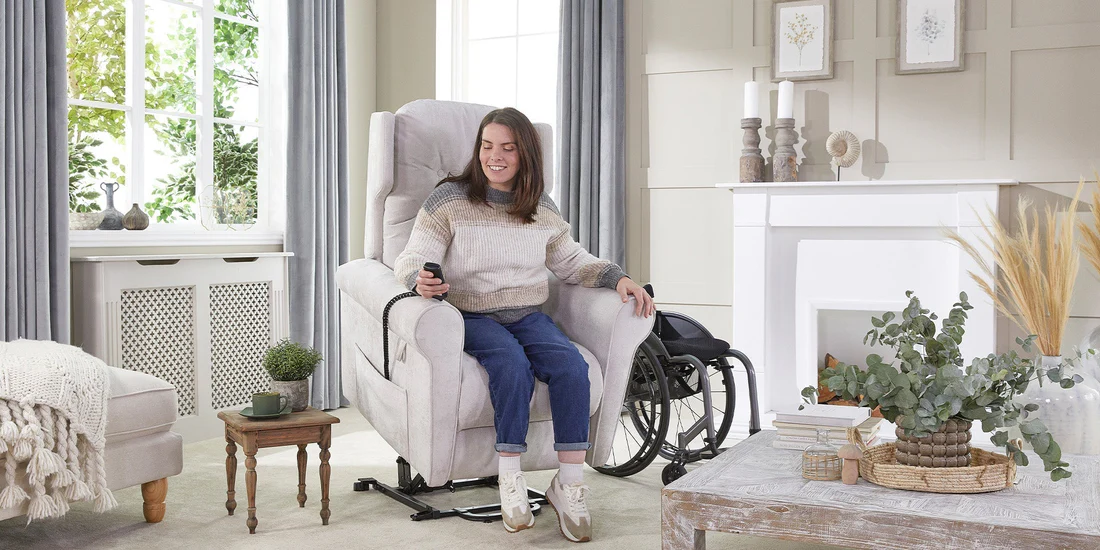
Keeping a recliner clean goes beyond wiping down the visible surfaces. Dust, crumbs, pet hair, and debris often collect in the tight spaces and seams, making regular maintenance important for both comfort and hygiene. This guide shares practical tips for cleaning the crevices of a recliner, helping you tackle those hard-to-reach spots and keep your favorite chair looking and feeling fresh.
Whether you have a fabric, leather, or synthetic recliner, understanding the right tools and methods can make the process easier. For seniors and caregivers, maintaining a clean recliner also supports a healthier living environment and extends the life of the furniture. If you’re interested in other solutions for making daily life easier, you might also want to explore voice controlled tablets designed for accessibility and convenience.
Why Focus on Recliner Crevices?
The hidden areas of a recliner are magnets for dirt and allergens. Over time, these particles can cause odors, attract pests, and even contribute to fabric wear. For those with allergies or respiratory sensitivities, keeping these spaces clean is especially important. Regular attention to the nooks and crannies ensures your recliner remains a safe and pleasant place to relax.
Many modern recliners, including electric lift chairs, are designed with comfort and accessibility in mind. For more information about the benefits of these models, see this comprehensive overview of electric lift recliners.
Essential Tools for Cleaning Recliner Gaps
Having the right equipment makes cleaning much more effective. Here are some recommended tools for reaching deep into the seams and joints of your recliner:
- Vacuum with crevice attachment: This narrow nozzle is ideal for extracting dust and crumbs from tight spots.
- Soft-bristled brush: A small brush, such as a toothbrush or upholstery brush, helps dislodge debris without damaging the fabric or leather.
- Microfiber cloths: These are gentle on surfaces and excellent for picking up fine particles.
- Compressed air canister: Useful for blowing out dust from hard-to-reach corners.
- Upholstery-safe cleaning solution: Always check the manufacturer’s recommendations to avoid damaging the material.
- Wooden skewer or cotton swabs: Perfect for cleaning narrow seams and buttons.

Step-by-Step Guide: Deep Cleaning Recliner Crevices
Follow these steps to thoroughly clean the hidden areas of your recliner and maintain its appearance and comfort:
1. Prepare the Recliner
Start by unplugging the chair if it’s electric. Remove any cushions or detachable parts. This gives you better access to the inner seams and mechanisms. Check for coins, pens, or other objects that may have slipped into the gaps.
2. Vacuum the Tight Spaces
Attach the crevice tool to your vacuum and run it along all seams, folds, and joints. Pay special attention to the areas where the seat meets the back and arms. Move the recliner into different positions to expose hidden areas. Repeat until you no longer see visible debris.
3. Brush and Dislodge Stubborn Debris
Use a soft-bristled brush to loosen dirt and dust that the vacuum may have missed. Gently scrub along the seams, under the armrests, and around buttons or tufting. For particularly narrow crevices, a wooden skewer or cotton swab can help reach and remove trapped particles.
4. Wipe Down and Spot Clean
Dampen a microfiber cloth with an upholstery-safe cleaner or a mild soap solution. Wipe along the crevices and seams, being careful not to oversaturate the fabric or leather. For leather recliners, use a dedicated leather cleaner and conditioner to maintain suppleness and prevent cracking.
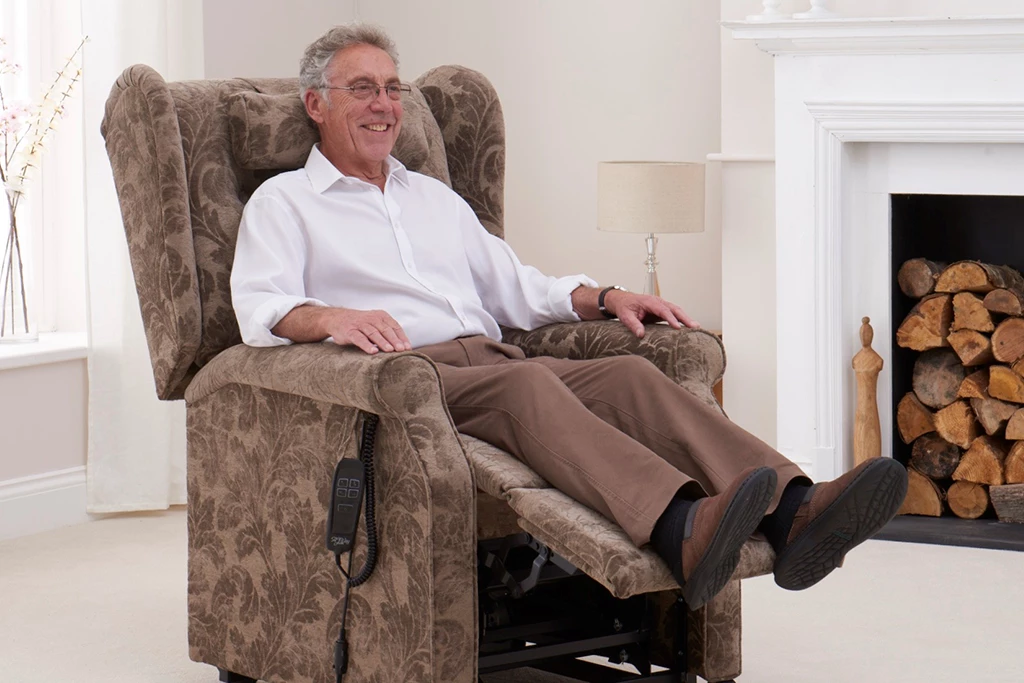
5. Dry and Reassemble
Allow all cleaned areas to air dry fully before replacing cushions or plugging the chair back in. This prevents moisture from being trapped, which could lead to mold or mildew.
Maintenance Strategies to Keep Recliner Crevices Clean
Regular upkeep makes deep cleaning less of a chore. Here are some ongoing maintenance tips:
- Vacuum weekly: A quick vacuum of the seams and joints prevents buildup.
- Use armrest covers or throws: These can catch crumbs and are easy to wash.
- Check for spills immediately: Blot up any liquids right away to prevent stains from seeping into the crevices.
- Rotate and fluff cushions: This helps distribute wear and keeps the chair looking even.
For those seeking more user-friendly technology for seniors, check out our guide to easy to use smartphones for seniors for additional lifestyle solutions.
Special Considerations for Different Recliner Materials
The cleaning approach may vary depending on your recliner’s upholstery:
- Fabric: Use a vacuum and gentle upholstery cleaner. Always test cleaning products on a hidden area first.
- Leather: Avoid harsh chemicals. Use a soft cloth, leather cleaner, and conditioner to keep the surface supple.
- Synthetic materials: Most can be cleaned with mild soap and water, but check the manufacturer’s care instructions.
Always consult your recliner’s manual for specific care recommendations to avoid accidental damage.
Frequently Asked Questions
How often should I clean the crevices of my recliner?
For most households, a thorough cleaning every one to two weeks is sufficient. If you have pets or children, or if you eat in your chair frequently, you may need to clean more often to prevent buildup.
What’s the best way to remove pet hair from recliner seams?
A vacuum with a crevice tool is effective, but a lint roller or slightly dampened rubber glove can also help lift pet hair from fabric and tight spaces. For stubborn hair, a soft-bristled brush can loosen and collect it for easy removal.
Can I use steam cleaners on recliner crevices?
Steam cleaners can be used on some fabric recliners, but always check the manufacturer’s guidelines first. Avoid using steam on leather or synthetic materials unless specifically approved, as excessive moisture and heat can cause damage.
Conclusion
Maintaining the hidden areas of your recliner is essential for comfort, appearance, and longevity. By following these tips for cleaning the crevices of a recliner, you can ensure your chair remains a welcoming and hygienic spot for relaxation. With the right tools and a regular routine, even the most hard-to-reach areas can stay fresh and clean. For more tips on senior-friendly products and home solutions, explore our other resources and guides.