

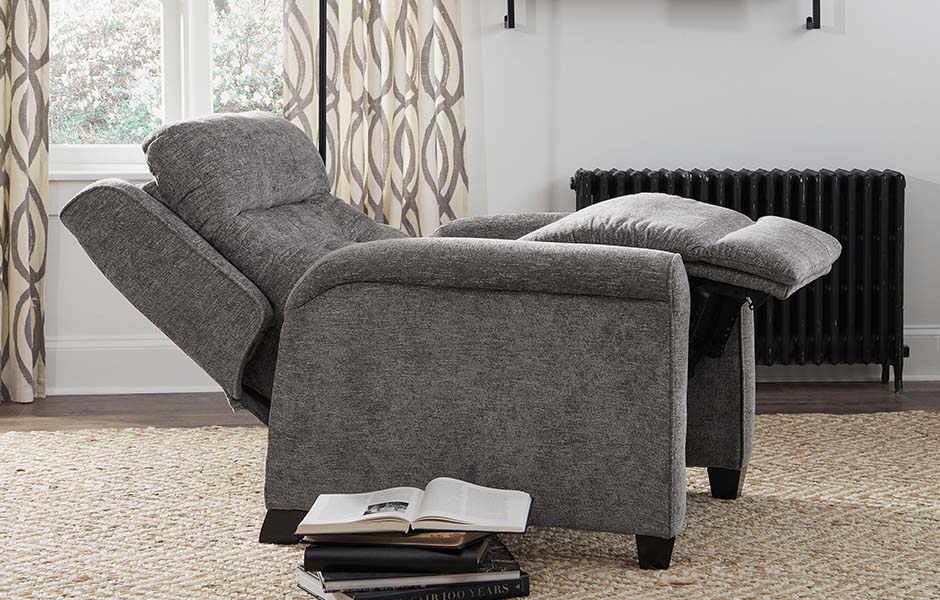
Maintaining a clean and healthy environment is essential for older adults, especially as age can bring increased vulnerability to infections and skin irritations. One innovation making a significant difference in senior living spaces is the use of antimicrobial fabrics. These advanced textiles are designed to resist the growth of bacteria, fungi, and other microbes, helping to reduce unpleasant odors, stains, and the risk of infection. Understanding the benefits of antimicrobial fabrics for seniors can help families and caregivers make informed choices about furniture, bedding, and clothing for their loved ones.
Whether in private homes, assisted living, or care facilities, integrating antimicrobial materials into everyday items supports both hygiene and comfort. This article explores how these fabrics work, their advantages for older adults, and practical tips for choosing the right products for senior health and well-being.
For those interested in maximizing comfort and safety, learning about how to use a lift chair with a caregiver can further enhance daily living for seniors, especially when paired with antimicrobial upholstery.
How Antimicrobial Fabrics Work
Antimicrobial textiles are engineered with special treatments or fibers that inhibit the growth of microorganisms. These treatments may use silver ions, copper, zinc, or other agents that disrupt the cell walls of bacteria and fungi, preventing them from multiplying. Some fabrics are woven with antimicrobial threads, while others are coated with a durable finish that remains effective through multiple washes and extended use.
This technology is especially valuable for seniors, who may spend more time seated or in bed, increasing the risk of skin irritation and infection from prolonged contact with contaminated surfaces. By reducing microbial growth, these fabrics help maintain a cleaner environment and support overall health.
Key Advantages for Senior Health and Hygiene
There are several important benefits of antimicrobial fabrics for seniors that go beyond basic cleanliness. Here are some of the most impactful:
- Reduced Risk of Infection: Older adults often have weaker immune systems, making them more susceptible to infections. Antimicrobial materials help minimize the presence of harmful bacteria and fungi on frequently touched surfaces like recliners, bedding, and clothing.
- Odor Control: Microbes are a primary source of unpleasant smells in fabrics. By inhibiting their growth, antimicrobial textiles help keep furniture and linens fresher for longer, reducing the need for frequent washing.
- Stain Resistance: Many antimicrobial treatments also provide a barrier against stains, making it easier to clean up spills and accidents—an important feature for seniors with mobility or continence challenges.
- Longer-Lasting Products: By preventing the buildup of bacteria and mold, these fabrics can extend the lifespan of furniture and bedding, offering better value and less frequent replacement.
- Enhanced Comfort: A cleaner, fresher environment contributes to a sense of well-being and comfort, which is vital for seniors’ quality of life.
Where Antimicrobial Fabrics Make the Most Impact
Integrating antimicrobial materials into senior living environments can be especially effective in the following areas:
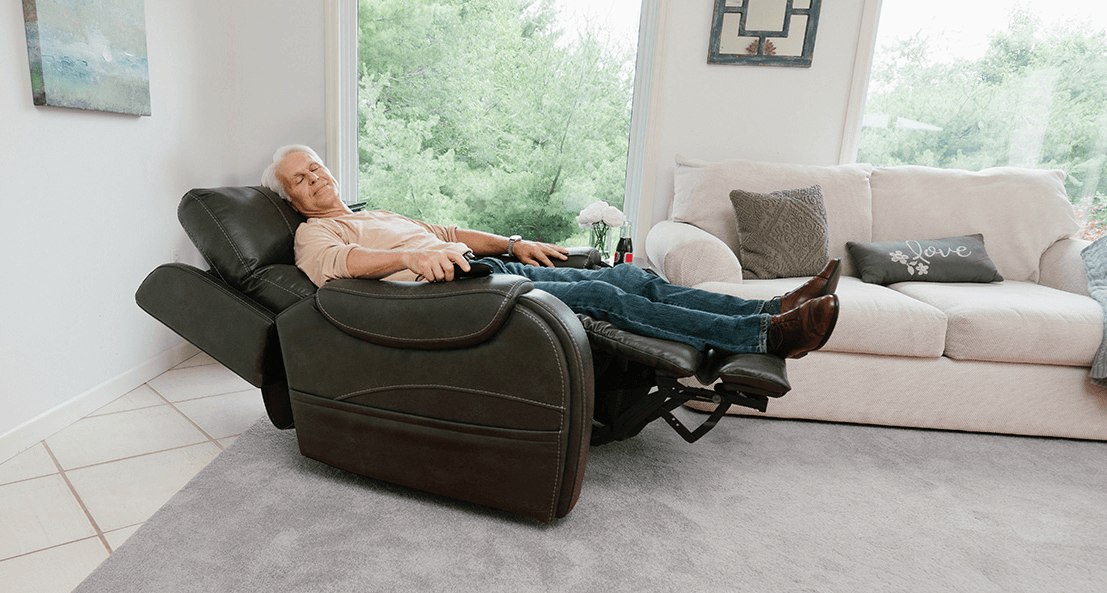
- Recliners and Seating: Upholstered chairs and recliners are high-contact surfaces. Choosing antimicrobial upholstery can help keep these items cleaner and safer for daily use. For more on selecting the right seating, see these tips for avoiding recliner-related injuries.
- Bedding and Linens: Sheets, pillowcases, and blankets with antimicrobial properties can reduce the risk of skin infections and keep sleeping areas fresher.
- Clothing: Garments made with antimicrobial fibers are particularly helpful for seniors with sensitive skin or those prone to sweating, as they help prevent odor and irritation.
- Mobility Aids: Wheelchair cushions, lift chair covers, and other assistive devices can benefit from antimicrobial treatments, reducing the need for constant cleaning.
Choosing the Right Antimicrobial Products for Seniors
When selecting antimicrobial fabrics for older adults, consider the following factors to ensure the best results:
- Effectiveness: Look for products that specify the type of antimicrobial treatment used and whether it is tested for long-term durability.
- Comfort: The fabric should remain soft and breathable, as harsh or stiff materials can cause discomfort or skin irritation.
- Ease of Cleaning: Even with antimicrobial protection, regular cleaning is important. Choose items that are machine washable and easy to maintain.
- Compatibility: Ensure that the fabric is suitable for the intended use, whether for upholstery, bedding, or clothing.
- Safety: Verify that the antimicrobial agents used are safe for prolonged skin contact and do not cause allergic reactions.
For those furnishing a new space or upgrading existing furniture, consider how to choose a recliner with easy-clean fabric to further simplify maintenance and hygiene.

Additional Considerations for Senior Living Environments
While antimicrobial fabrics offer clear advantages, they work best as part of a broader approach to cleanliness and safety. Regular cleaning routines, proper ventilation, and prompt attention to spills or accidents are still necessary. In shared spaces or care facilities, antimicrobial textiles can help reduce cross-contamination, but they are not a substitute for good hygiene practices.
For seniors with specific health concerns, such as allergies or skin sensitivities, consult with a healthcare provider before introducing new materials. Some antimicrobial treatments may use chemicals that could cause reactions in sensitive individuals. Always check product labels and seek out hypoallergenic options when needed.
To further enhance comfort and support, explore the benefits of a high backrest for seniors and neck support, particularly when selecting recliners or lounge chairs.
How to Identify Quality Antimicrobial Fabrics
With the growing popularity of antimicrobial textiles, it’s important to distinguish between genuinely effective products and those with only superficial treatments. Here are some tips for identifying quality options:
- Check for certifications from recognized organizations, such as OEKO-TEX or EPA registration for antimicrobial claims.
- Read product descriptions carefully to understand the technology used and its expected lifespan.
- Look for reviews or testimonials from other buyers, especially those caring for seniors.
- Ask retailers or manufacturers about the specific antimicrobial agents used and their safety profile.
For more guidance on selecting the right furniture for smaller spaces, see how to choose a recliner for a small apartment.
Practical Tips for Caregivers and Families
To maximize the benefits of antimicrobial fabrics for seniors, consider these practical steps:
- Prioritize high-contact items such as recliners, bedding, and frequently worn clothing for antimicrobial upgrades.
- Maintain a regular cleaning schedule, even for antimicrobial products, to remove dust and debris.
- Educate seniors and caregivers about the advantages of these materials and how to care for them properly.
- Combine antimicrobial fabrics with other safety features, such as non-slip backing or easy-grip handles, for a comprehensive approach to senior well-being.
For additional resources on selecting supportive seating, explore this guide to reclining chairs for elderly individuals and their unique needs.
Frequently Asked Questions
Are antimicrobial fabrics safe for daily use by seniors?
Yes, most antimicrobial textiles are designed for everyday use and are tested for safety. However, it’s important to check for hypoallergenic options if the senior has sensitive skin or known allergies. Always follow manufacturer care instructions to maintain effectiveness.
How long do antimicrobial treatments last on fabrics?
The durability of antimicrobial protection varies by product and treatment method. Some finishes can last through dozens of washes, while others may diminish over time. Look for information on the product label or ask the manufacturer about expected longevity.
Can antimicrobial fabrics replace regular cleaning routines?
No, while these textiles help reduce microbial growth, they are not a substitute for regular cleaning. Routine washing and maintenance are still necessary to remove dirt, oils, and other contaminants.
What types of senior products are available with antimicrobial fabrics?
Many items for older adults now feature antimicrobial options, including recliners, lift chairs, bedding, towels, clothing, and mobility aid covers. These products are widely available from medical supply stores and specialty retailers.
Do antimicrobial fabrics help with odor control?
Yes, by inhibiting the growth of odor-causing bacteria, these textiles help keep furniture and clothing fresher for longer periods, reducing the frequency of laundering and improving comfort for seniors.