

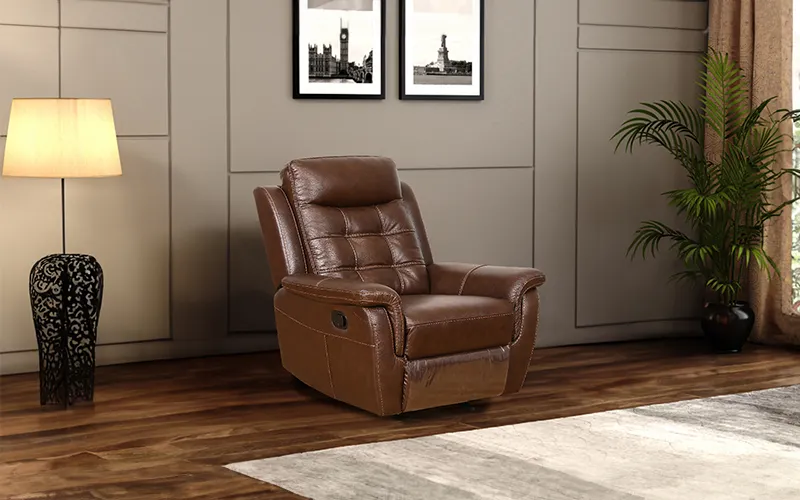
As people age, safety in the home becomes a top priority. One area that often goes overlooked is the risk of fire, especially when it comes to furniture and textiles. Fire-retardant fabrics can play a crucial role in protecting older adults from fire-related accidents. These specialized materials are designed to resist ignition and slow the spread of flames, providing valuable extra time in an emergency. For seniors, who may have reduced mobility or slower reaction times, this added protection can make a significant difference.
Understanding the benefits of fire-retardant fabrics for seniors can help families and caregivers make informed decisions about home furnishings and safety measures. In this article, we’ll explore how these materials work, their advantages, and practical tips for incorporating them into living spaces. For those interested in broader safety solutions, such as voice controlled tablets or phones with emergency features, integrating multiple layers of protection can further enhance peace of mind.
Why Fire Safety Is Critical for Older Adults
Fire hazards pose a particular risk to seniors due to several factors. Reduced mobility, slower reflexes, and health conditions can make it more challenging to respond quickly in an emergency. Additionally, older adults may rely on electrical appliances, heating pads, or oxygen tanks, which can increase the risk of accidental fires. Choosing furnishings made from flame-resistant materials is a proactive step toward minimizing these dangers.
Statistics show that adults over 65 are at a higher risk of injury or fatality in residential fires compared to younger populations. This makes it essential to consider every aspect of home safety, from smoke alarms to the fabrics used in everyday furniture. By selecting fire-retardant upholstery and bedding, families can add an important layer of defense against potential accidents.
How Fire-Retardant Fabrics Work
Fire-retardant fabrics are engineered to resist ignition and slow the spread of flames. Unlike regular textiles, these materials are either made from inherently flame-resistant fibers or treated with special chemicals that inhibit combustion. When exposed to heat or fire, they form a protective barrier, reducing the risk of the fabric catching fire and giving occupants more time to react.
Some common applications include:
- Upholstered chairs and recliners
- Mattress covers and bedding
- Window curtains and drapes
- Protective clothing and blankets
For seniors who spend significant time at home, especially in living rooms and bedrooms, these items can be critical in preventing fire-related injuries.
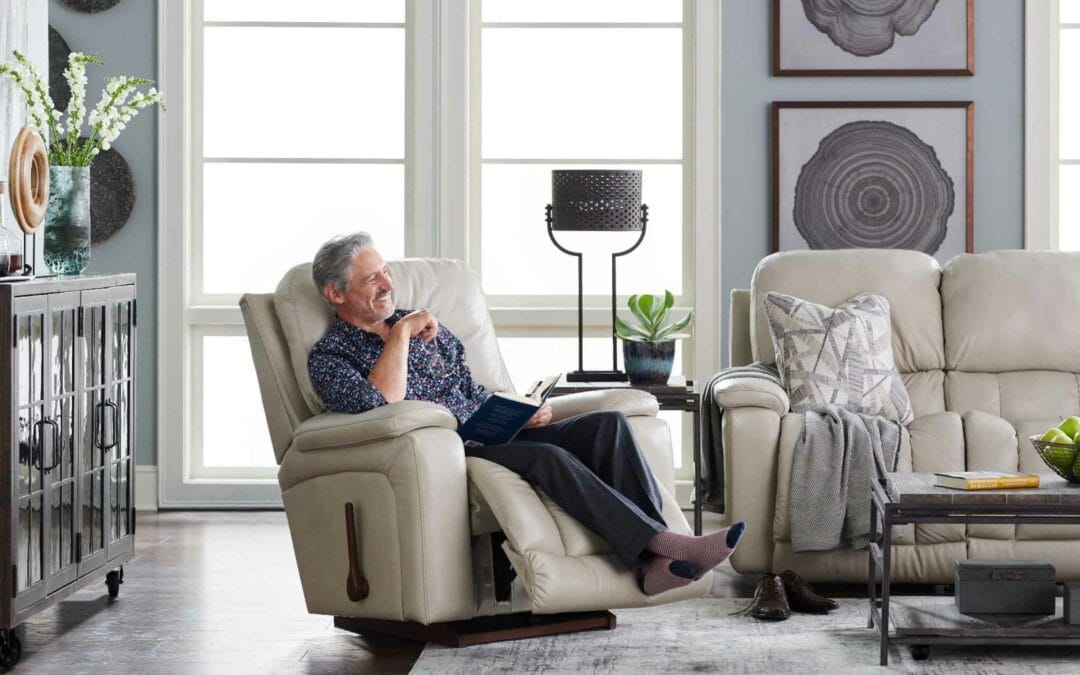
Key Advantages of Flame-Resistant Materials for Senior Living
Choosing fire-retardant fabrics for the home offers several important benefits for older adults and their families:
- Enhanced Safety: These materials help prevent rapid fire spread, reducing the risk of burns and smoke inhalation.
- Peace of Mind: Knowing that furniture and bedding are less likely to ignite can ease anxiety for both seniors and caregivers.
- Compliance with Safety Standards: Many assisted living facilities and care homes require flame-resistant furnishings to meet regulatory guidelines.
- Durability: Modern fire-retardant textiles are designed to withstand regular use and washing, making them a practical long-term investment.
For those considering upgrades, pairing fire-resistant furniture with other senior-friendly products—such as easy to use smartphones for seniors or emergency alert systems—can create a safer, more comfortable living environment.
Practical Tips for Selecting Fire-Retardant Home Furnishings
When shopping for new furniture or textiles, look for labels indicating compliance with recognized fire safety standards, such as NFPA 701 or California Technical Bulletin 117. Ask retailers about the materials used and whether they are inherently flame-resistant or chemically treated. Some recliners and lift chairs designed for seniors now come standard with fire-retardant upholstery, combining comfort with safety.
For those interested in learning more about the advantages of specialized seating, this guide to lift chairs and recliners for seniors provides additional insights into features and benefits.
Other practical steps include:
- Replacing old or worn-out cushions and mattresses with fire-resistant alternatives
- Using flame-retardant covers for existing furniture
- Ensuring that curtains and drapes in sleeping areas are made from fire-safe materials
- Regularly checking smoke detectors and fire extinguishers
By combining these strategies, families can significantly reduce the risk of fire-related incidents in the home.

Integrating Fire Safety with Other Senior-Friendly Solutions
While fire-retardant fabrics offer vital protection, they are most effective when used alongside other safety measures. For example, technology such as best phones for elderly parents or phones with emergency SOS button can help seniors call for help quickly in an emergency. Simple upgrades like easy tablets for beginners can also support communication and access to emergency information.
Combining fire-resistant furnishings with accessible technology, clear escape routes, and regular safety checks creates a comprehensive approach to senior safety at home. Each layer of protection reduces risk and helps ensure a safer, more comfortable living environment for older adults.
Frequently Asked Questions
What makes a fabric fire-retardant?
Fire-retardant fabrics are either made from fibers that naturally resist ignition or are treated with chemicals that slow the spread of flames. These materials are tested to meet specific safety standards and provide extra time to escape in case of fire.
Are fire-retardant materials safe for everyday use?
Yes, modern flame-resistant textiles are designed for daily use and comfort. They are durable, washable, and meet strict safety regulations, making them suitable for furniture, bedding, and clothing used by seniors.
How can I tell if my furniture uses fire-retardant fabrics?
Check product labels or ask the manufacturer about compliance with fire safety standards like NFPA 701 or California Technical Bulletin 117. Many retailers now highlight these features in product descriptions, especially for items intended for senior living.
Conclusion
Investing in fire-retardant fabrics is a practical and effective way to enhance home safety for older adults. These materials help prevent fires from spreading rapidly, providing valuable time for seniors to respond and evacuate if needed. By combining flame-resistant furnishings with other safety measures—such as accessible technology and regular home checks—families can create a secure, comfortable environment that supports independence and peace of mind.