

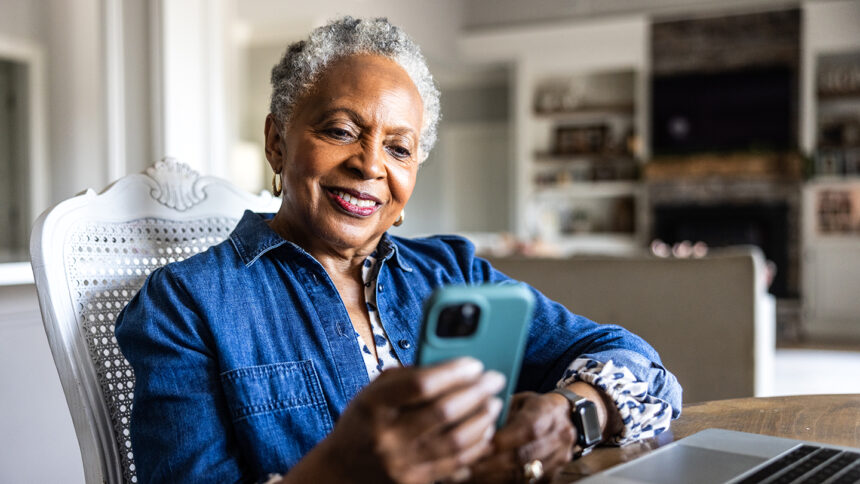
As more seniors embrace digital devices for staying connected, learning, and entertainment, concerns about eye health have become increasingly important. Prolonged exposure to screens—whether on smartphones, tablets, or computers—can lead to digital eye strain, sleep disturbances, and discomfort. Blue light glasses for screen use are designed to help filter out a portion of the blue light emitted by these devices, offering a practical solution for older adults seeking to protect their vision and maintain comfort during daily screen time.
Understanding how these glasses work, their benefits, and how to choose the right pair can make a significant difference in eye comfort and overall well-being. For those interested in other accessible tech options, exploring large keyboard computers can further enhance the digital experience for seniors.
Why Blue Light Matters for Seniors
Digital screens emit blue light, a high-energy visible (HEV) wavelength that is present in sunlight and artificial sources. While some blue light exposure is natural and even beneficial during the day, excessive exposure—especially in the evening—can disrupt sleep cycles and contribute to digital eye strain. Seniors may be more sensitive to these effects due to age-related changes in the eyes, such as reduced tear production and increased lens yellowing.
Symptoms of digital eye strain can include:
- Dry, irritated, or watery eyes
- Blurry vision after screen use
- Headaches or difficulty focusing
- Difficulty falling or staying asleep
Addressing these symptoms early can help maintain eye comfort and support healthy screen habits.
How Blue Light Glasses for Screen Use Work
Eyewear designed for digital device use typically features special coatings or filters that absorb or block a portion of blue light wavelengths. By reducing the intensity of blue light reaching the eyes, these glasses aim to minimize discomfort and potential long-term effects. Many seniors find that wearing these glasses during computer, tablet, or smartphone use helps reduce glare and eye fatigue.
Some models are clear and nearly indistinguishable from regular eyewear, while others have a slight yellow or amber tint to enhance filtering. The best choice depends on personal preference and sensitivity to color changes.

Benefits of Using Screen Glasses for Older Adults
For seniors who spend time on computers, tablets, or smartphones, the advantages of wearing blue light glasses for screen use include:
- Reduced Eye Strain: Filtering blue light can help alleviate discomfort, dryness, and fatigue during extended device use.
- Better Sleep Quality: Limiting blue light exposure in the evening may help regulate circadian rhythms and improve sleep patterns.
- Enhanced Visual Comfort: Many users report less glare and easier focusing, especially when reading or watching videos on screens.
- Support for Eye Health: While research is ongoing, some studies suggest that reducing blue light exposure may help protect retinal health over time.
These benefits are especially relevant for seniors who rely on technology for communication, telehealth, and entertainment.
Choosing the Right Glasses for Digital Devices
When selecting eyewear for screen protection, consider the following factors:
- Fit and Comfort: Lightweight frames and adjustable nose pads can make a big difference during long sessions.
- Lens Quality: Look for lenses with certified blue light filtering and anti-reflective coatings for maximum comfort.
- Prescription Options: Many brands offer prescription lenses with blue light protection, so you don’t have to compromise on clarity.
- Style: Choose a design that suits your personal taste and daily activities, whether you prefer classic, modern, or sporty frames.
It’s also helpful to consult your eye care professional, especially if you have existing vision conditions or wear bifocals or progressives.

Tips for Reducing Digital Eye Strain Beyond Glasses
While blue light glasses for screen use are helpful, combining them with healthy screen habits can further support eye comfort:
- Follow the 20-20-20 Rule: Every 20 minutes, look at something 20 feet away for at least 20 seconds.
- Adjust Screen Settings: Increase text size, reduce brightness, and use night mode or warm color settings in the evening.
- Maintain Proper Distance: Keep screens about an arm’s length away and position them slightly below eye level.
- Blink Often: Remind yourself to blink regularly to keep eyes moist and comfortable.
- Use Accessible Devices: Devices like easy computers for older adults and best laptops for seniors often include features that reduce eye strain and improve usability.
Technology and Accessibility for Seniors
Modern technology offers a range of options to make digital life easier for older adults. From large button tv remotes to touchscreen laptops for seniors, there are many ways to tailor devices for comfort and accessibility. For those with hearing challenges, reviewing the best smartphones for hearing loss and hearing aids can further enhance the digital experience.
Combining the right eyewear with accessible technology and healthy habits can help seniors enjoy the benefits of screens without sacrificing comfort or eye health.
Frequently Asked Questions
Are blue light glasses safe for daily use?
Yes, these glasses are safe for everyday wear. They do not alter vision or harm the eyes, and many seniors find them comfortable for extended screen sessions.
Can blue light filtering eyewear improve sleep?
Limiting blue light exposure in the evening may help regulate natural sleep cycles, making it easier to fall asleep and enjoy restful nights. For best results, combine glasses with reduced screen time before bed.
Do I need a prescription for blue light glasses?
No prescription is needed for non-corrective lenses. However, if you already wear prescription glasses, you can order blue light filtering lenses with your prescription for added convenience and protection.