

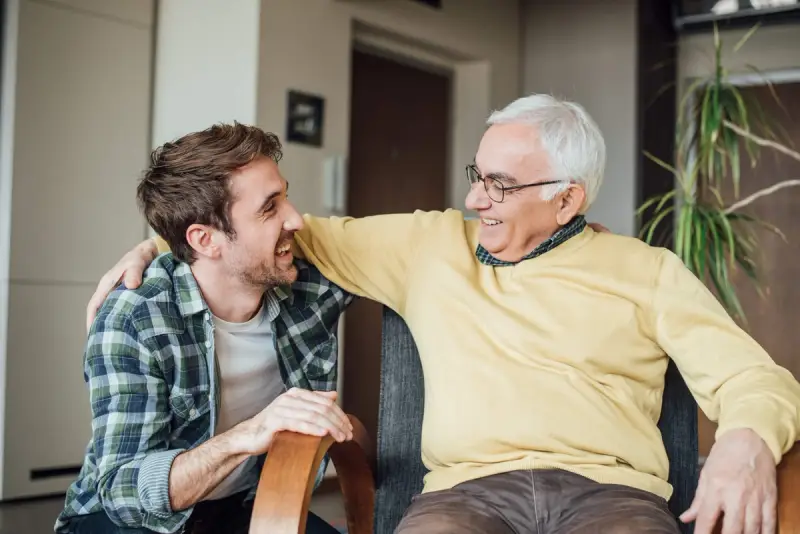
As our loved ones age, ensuring their safety becomes a top priority. Many families worry about falls, wandering, or medical emergencies that can happen when seniors are alone. Continuous monitoring for elderly safety offers a proactive solution, providing round-the-clock oversight and reassurance for both seniors and their families. With the help of modern technology, it’s now possible to maintain independence while minimizing risks at home or in assisted living environments.
This guide explores how real-time monitoring systems work, the benefits they offer, and how to choose the right solution for your needs. For those interested in related topics, you can also learn about senior health insights from monitoring data to further understand the impact of these technologies.
Why 24/7 Oversight Matters for Senior Wellbeing
The risk of accidents and health issues increases with age. Falls are one of the leading causes of injury among older adults, and conditions like dementia can make wandering a serious concern. Continuous monitoring for elderly safety helps address these challenges by providing immediate alerts and ongoing supervision, even when caregivers can’t be present.
Unlike traditional check-ins or wearable alert buttons, modern monitoring systems use sensors, smart devices, and sometimes AI to detect unusual activity patterns. This means help can be dispatched quickly if something goes wrong, reducing the risk of long-term complications.
How Modern Monitoring Solutions Work
Today’s safety systems for seniors go far beyond basic alarms. They often include a combination of motion sensors, bed and chair alarms, door and window monitors, and even smart home integrations. These devices work together to create a comprehensive safety net.
- Motion sensors detect movement in key areas, alerting caregivers if someone is up at odd hours or hasn’t moved for a concerning period.
- Bed and chair alarms notify when someone gets up, which is especially useful for fall prevention at night.
- Door and window sensors help prevent wandering, particularly for those with memory issues.
- Remote monitoring platforms allow family members or professionals to receive alerts and check on loved ones from anywhere.
Some systems are designed to be unobtrusive and respect privacy, using non-camera sensors or AI-powered pattern recognition. For example, you can read about technology that monitors seniors without cameras to learn more about privacy-focused solutions.

Key Benefits of Real-Time Senior Safety Monitoring
Implementing a continuous safety system brings peace of mind and practical advantages:
- Immediate response to emergencies: Alerts are sent as soon as an incident is detected, reducing response times.
- Reduced caregiver stress: Family and professional caregivers can rest easier knowing they’ll be notified of any issues, even overnight.
- Promotes independence: Seniors can maintain their routines and privacy, with support available only when needed.
- Data-driven insights: Many platforms provide activity reports, helping families and healthcare providers spot changes in health or habits.
For those interested in how these insights can support wellness, see our article on monitoring daily living activities for a closer look at tracking independence.
Choosing the Right Monitoring System for Your Loved One
Selecting the best solution depends on your family’s needs, your loved one’s health, and the living environment. Here are some factors to consider:
- Type of monitoring: Do you need fall detection, wandering alerts, or general activity tracking?
- Privacy concerns: Some prefer camera-free options, while others may want video for added security.
- Ease of use: Look for systems that are simple to install and manage, especially if seniors are living independently.
- Integration: Consider whether the system works with other smart home devices or medical alert services.
- Ongoing costs: Check for subscription fees or equipment charges.
If you’re exploring broader solutions, our guide on future smart homes for seniors covers how automation and technology can further enhance safety and comfort.

Integrating Monitoring with Broader Senior Care
Continuous safety systems are most effective when combined with other supports. Many families pair monitoring with smart assistance for elderly independence tools, such as medication reminders or voice-activated help. Others work with care managers or home health professionals who can use monitoring data to adjust care plans as needs change.
It’s also important to involve seniors in the decision-making process. Discuss privacy, comfort, and preferences to ensure the chosen solution fits their lifestyle and values.
Common Concerns and Privacy Considerations
One of the biggest questions about these systems is privacy. Many families want to balance safety with dignity and autonomy. Fortunately, there are many options that do not rely on cameras or intrusive devices. Motion sensors, pressure mats, and AI-driven analytics can provide oversight without constant visual monitoring.
For more information on privacy-respecting technology, explore resources on tech solutions that monitor seniors without cameras.
FAQ: Continuous Senior Safety Monitoring
What types of incidents can these systems detect?
Most systems can identify falls, inactivity, wandering, and sometimes even changes in daily routines that could indicate health issues. Some advanced platforms also monitor environmental hazards like smoke or carbon monoxide.
Is it possible to use these solutions in both private homes and assisted living?
Yes, many monitoring tools are designed for flexible use in private residences, apartments, and care facilities. They can be customized to suit different layouts and care needs.
How do I ensure my loved one’s privacy is respected?
Choose systems that use non-camera sensors or allow for customizable privacy settings. Discuss options with your loved one and look for providers who prioritize data security and consent.
Can monitoring data help improve senior health?
Absolutely. Activity and incident data can reveal patterns that help families and healthcare providers adjust routines, medications, or care plans. For a deeper dive, see our article on AI driven senior wellness solutions.
Continuous monitoring for elderly safety is transforming how families care for aging loved ones. With the right technology and thoughtful planning, seniors can enjoy greater independence and security, while families gain the peace of mind that comes from knowing help is always close at hand.