

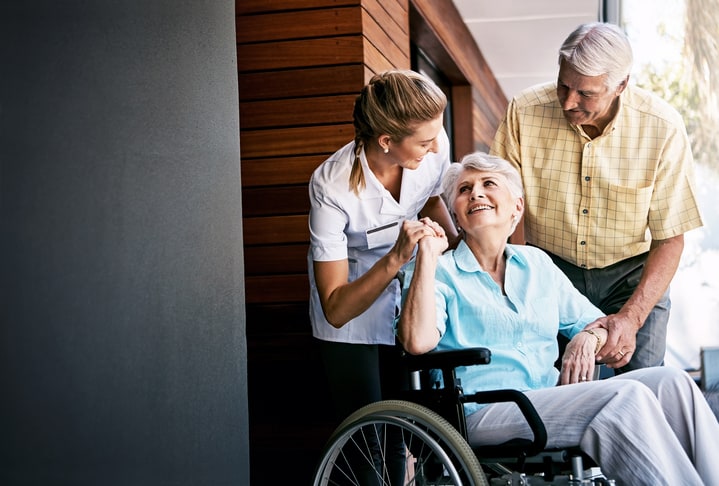
Supporting older adults in maintaining their autonomy is a key concern for families and caregivers. Monitoring daily living activities is a practical approach that helps track a senior’s ability to manage essential routines such as bathing, dressing, eating, and moving around safely. By observing these activities, families and professionals can better understand when extra support is needed and how to encourage independence for as long as possible.
Advancements in technology and home care solutions now make it easier to keep an eye on these important routines without being intrusive. This guide explains how to monitor daily living skills, what signs to watch for, and which tools can help maintain a safe, independent lifestyle for seniors. For those interested in a deeper dive into the impact of data-driven care, senior health insights from monitoring data can provide additional context on how monitoring supports well-being.
Understanding the Importance of Tracking Daily Living Skills
Activities of daily living (ADLs) are the basic tasks that people need to manage independently to live safely at home. These include:
- Personal hygiene (bathing, grooming, oral care)
- Dressing and undressing
- Eating and meal preparation
- Mobility (walking, transferring from bed to chair)
- Toileting and continence
Regularly assessing these skills helps families and caregivers notice subtle changes in a senior’s abilities. Early detection of difficulties can prevent accidents, reduce hospitalizations, and support timely interventions. For example, a decline in mobility may signal the need for assistive devices or physical therapy, while changes in eating habits could indicate underlying health issues.
How Monitoring Daily Living Activities Supports Independence
Keeping track of daily routines is not just about identifying problems—it’s also about empowering seniors to remain as self-sufficient as possible. By understanding which activities are challenging, families can tailor support to specific needs rather than providing unnecessary assistance. This approach preserves dignity and encourages confidence.
Modern solutions, such as smart assistance for elderly independence, offer discreet ways to observe daily patterns. These tools can alert caregivers to missed meals, skipped medications, or unusual inactivity, allowing for prompt and appropriate responses.

Key Benefits of Observing Daily Routines
There are several advantages to systematically tracking a senior’s daily activities:
- Early Intervention: Spotting changes in ADLs allows for timely support, reducing the risk of falls or health complications.
- Personalized Care: Monitoring helps tailor assistance to the individual’s actual needs, avoiding over- or under-support.
- Peace of Mind: Families gain reassurance knowing that their loved one’s well-being is being watched over, even from a distance.
- Promoting Autonomy: Seniors can continue doing what they are capable of, which supports mental and emotional health.
For those interested in integrating technology, future smart homes for seniors provide insight into how automation and monitoring can work together to support aging in place.
Tools and Methods for Monitoring Daily Living Activities
There are several approaches to keeping track of daily routines, ranging from simple checklists to advanced technology. Here are some common methods:
- Manual Observation: Family members or caregivers use checklists to record completion of daily tasks.
- Wearable Devices: Smartwatches and fitness trackers can monitor movement, sleep, and activity levels.
- Environmental Sensors: Motion detectors, door sensors, and bed alarms can alert caregivers to unusual patterns or inactivity.
- Remote Monitoring Systems: Integrated platforms combine sensors and software to provide real-time updates and alerts.
For example, a bed alarm can notify caregivers if a senior gets up during the night, which is especially useful for those at risk of wandering or falls. Motion alarms can detect movement in key areas, such as the bathroom or kitchen, ensuring that daily routines are maintained.
Research supports the value of these approaches. According to a recent study on digital monitoring of daily activities, technology-driven observation can improve safety and quality of life for older adults living at home.
Choosing the Right Monitoring Solutions
Selecting the best method depends on the senior’s preferences, health status, and living environment. Here are some points to consider:
- Privacy: Choose solutions that respect the individual’s dignity and comfort level.
- Ease of Use: Devices should be simple to operate and maintain, especially for those with limited technical skills.
- Integration: Systems that work with existing home setups or care routines are more likely to be adopted successfully.
- Alerts and Notifications: Look for options that provide timely updates to caregivers without overwhelming them with false alarms.
For families seeking more advanced options, AI driven senior wellness solutions offer intelligent monitoring that adapts to changing needs and behaviors.
Best Practices for Supporting Senior Autonomy
While technology and observation are valuable, the human element remains essential. Here are some best practices for using monitoring to support independence:
- Involve the senior in decisions about monitoring and care.
- Focus on abilities rather than limitations.
- Encourage regular communication between seniors, families, and caregivers.
- Use monitoring data to celebrate progress and set achievable goals.
- Review routines regularly and adjust support as needs change.
Combining respectful observation with the right tools helps seniors remain active participants in their care, boosting confidence and well-being.
Integrating Real-Time Updates and Smart Home Features
For those who want to take monitoring a step further, integrating real time home monitoring for seniors can provide instant updates on daily routines. Smart home features, such as automated lighting, medication reminders, and voice-activated assistants, can further enhance safety and independence.
These systems can be especially helpful for families who live far away or for seniors with memory challenges. By combining technology with regular check-ins, it’s possible to create a supportive environment that adapts to changing needs.
Frequently Asked Questions
What are the most important daily living activities to monitor for seniors?
The most critical activities include personal hygiene, dressing, eating, mobility, and toileting. Monitoring these routines provides a clear picture of a senior’s ability to live independently and helps identify when additional support may be needed.
How can technology help with tracking daily routines?
Technology such as motion sensors, bed alarms, and wearable devices can discreetly monitor activity patterns and alert caregivers to changes or emergencies. These tools can be integrated into the home to provide real-time updates and peace of mind for families.
Is monitoring daily living activities intrusive for seniors?
When implemented thoughtfully, monitoring can be non-intrusive and respectful. It’s important to involve seniors in the decision-making process, choose privacy-conscious solutions, and focus on supporting independence rather than surveillance.
Conclusion
Keeping track of daily routines is a proactive way to support older adults in maintaining their independence. By using a combination of observation, technology, and open communication, families and caregivers can ensure safety while respecting autonomy. The right approach to monitoring daily living activities helps seniors thrive in their own homes and provides families with valuable peace of mind.