

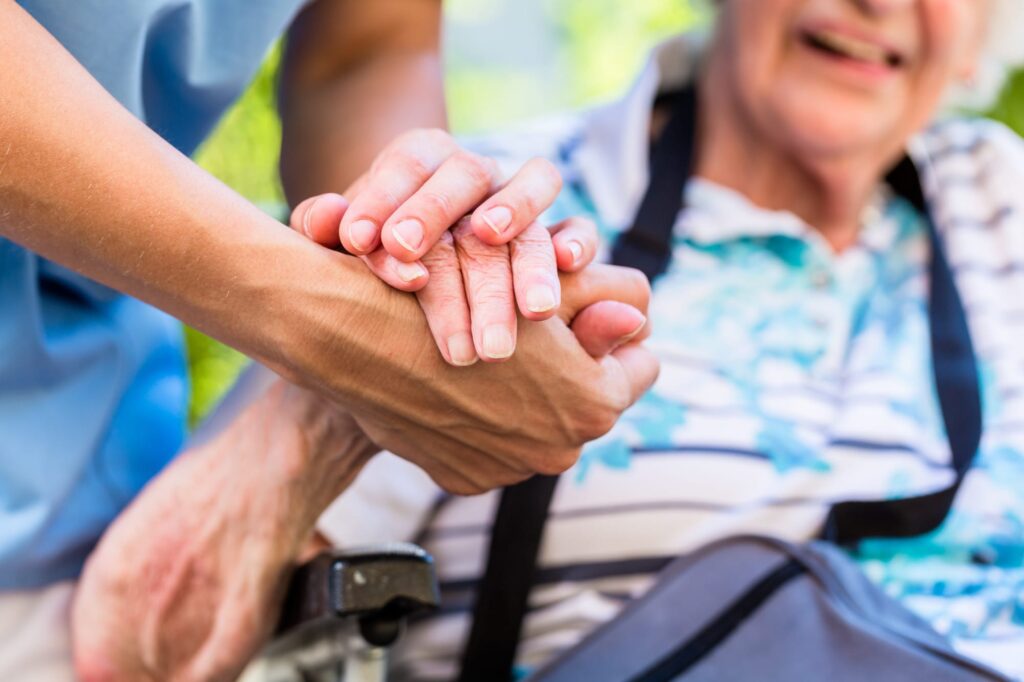
Ensuring the safety of older adults at home is a growing concern for families and caregivers. As people age, the risk of falls, wandering, and medical emergencies increases. Fortunately, advances in technology have introduced smart alerts for elderly safety, providing real-time notifications and proactive monitoring to help prevent accidents and support independent living.
This article explores how these intelligent systems work, their key features, and how they can be integrated into daily life to enhance peace of mind for both seniors and their loved ones. For those interested in broader technology trends, our guide on future smart homes for seniors offers a look at the evolving landscape of senior care technology.
How Modern Alert Systems Reduce Risks for Seniors
Today’s smart alerts for elderly safety use a combination of sensors, wireless communication, and intelligent algorithms to monitor the home environment. These systems are designed to detect unusual activity, such as a fall, prolonged inactivity, or a door opening at odd hours. When something out of the ordinary occurs, the system sends instant notifications to caregivers or family members, allowing for quick intervention.
Unlike traditional alarms, these solutions offer proactive monitoring rather than just reactive alerts. Some devices can even distinguish between normal and abnormal movements, reducing false alarms and ensuring that help is only summoned when truly needed. This technology is especially valuable for seniors who wish to remain independent but may have mobility challenges or memory concerns.
Key Features of Smart Home Safety Alerts
When selecting a safety alert system for an older adult, it’s important to consider the features that best match their needs and lifestyle. Here are some of the most common and valuable capabilities:
- Fall Detection: Sensors can identify sudden movements or impacts and automatically notify caregivers if a fall is suspected.
- Motion Monitoring: Devices track movement patterns throughout the home, alerting loved ones if there’s a lack of activity or wandering at night.
- Bed and Chair Exit Alarms: These alerts are triggered if someone leaves their bed or chair unexpectedly, helping to prevent nighttime falls or wandering.
- Door and Window Sensors: Receive notifications if doors or windows are opened during restricted hours, which is especially helpful for individuals with dementia.
- Emergency Call Buttons: Wearable or wall-mounted buttons allow seniors to call for help instantly in case of an emergency.
- Remote Access: Many systems offer mobile apps or web dashboards so family members can check in and receive alerts no matter where they are.
For a deeper dive into how real-time monitoring supports senior well-being, see our article on real time home monitoring for seniors.
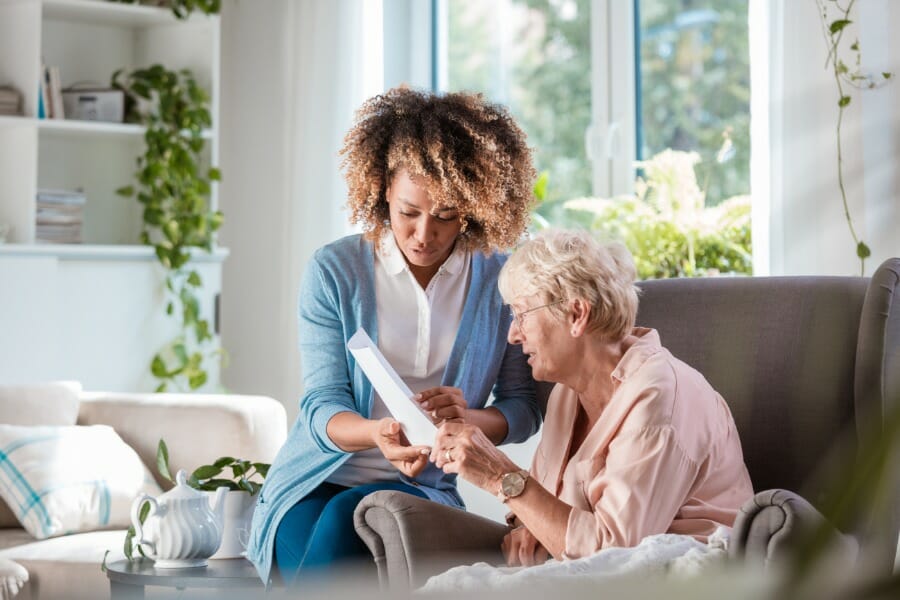
Benefits of Using Smart Alerts in the Home
Integrating intelligent alert systems into a senior’s home environment can deliver several important advantages:
- Accident Prevention: Early warnings about potential hazards, such as getting out of bed at night or entering unsafe areas, help prevent injuries before they happen.
- Peace of Mind: Family members and caregivers can feel more confident knowing they’ll be notified immediately if something goes wrong.
- Promotes Independence: Seniors can maintain their autonomy and privacy, as these systems are less intrusive than round-the-clock supervision.
- Faster Emergency Response: Immediate alerts ensure that assistance can be provided quickly, minimizing the impact of falls or health incidents.
- Customizable Settings: Many solutions allow for personalized alert thresholds and notification preferences to suit each individual’s needs.
For those interested in how data from these systems can inform care decisions, our post on senior health insights from monitoring data provides valuable context.
Choosing the Right System for Your Loved One
With a wide range of options available, selecting the best alert system depends on several factors:
- Living Situation: Is the senior living alone, with family, or in an assisted environment?
- Health Conditions: Consider mobility, cognitive status, and any history of falls or wandering.
- Ease of Use: Look for systems with simple interfaces and clear instructions for both seniors and caregivers.
- Integration: Some devices can be connected to other smart home systems for a more comprehensive safety net.
- Budget: Costs can vary widely, so balance features with affordability and ongoing subscription fees if applicable.
For a closer look at helpful gadgets that support independence, see our overview of smart assistance for elderly independence.
Real-World Applications and Success Stories
Many families have found that implementing smart alerts for elderly safety can transform daily life. For example, a bed exit alarm can notify a caregiver if a loved one is up during the night, reducing the risk of falls. Motion sensors in hallways and bathrooms can provide early warnings if someone is moving unusually slowly or not at all, prompting a check-in before a minor issue becomes a crisis.
According to research on smart technology and home devices for older adults, these solutions not only improve safety but also support emotional well-being by allowing seniors to stay in familiar surroundings longer.

Integrating Alerts Into a Comprehensive Care Plan
While technology plays a significant role in accident prevention, it’s most effective when combined with other safety measures. Regular home safety assessments, medication management, and open communication with healthcare providers all contribute to a safer environment for older adults. Smart alerts can complement these efforts by filling in gaps and providing 24/7 oversight without being intrusive.
For those interested in how artificial intelligence is shaping the future of elder care, our article on AI driven senior wellness solutions explores the next generation of home care technology.
Frequently Asked Questions
What types of accidents can smart alert systems help prevent?
These systems are designed to reduce the risk of falls, wandering, missed medication, and delayed emergency response. By monitoring movement, exits, and inactivity, they provide early warnings that help caregivers intervene before accidents occur.
Are smart alert devices difficult for seniors to use?
Most modern systems are user-friendly and require minimal interaction from the senior. Many operate automatically with passive sensors, while others offer simple emergency buttons or voice-activated features. Setup and maintenance are typically handled by caregivers or family members.
Can these systems be used in apartments or assisted living facilities?
Yes, many smart alert solutions are designed for flexible installation and can be used in apartments, condos, or care facilities. Wireless options are especially convenient, as they do not require extensive wiring or permanent modifications to the living space.
How do smart alerts support independent living for older adults?
By providing real-time monitoring and immediate notifications, these systems allow seniors to live more independently while ensuring help is available when needed. This balance of autonomy and safety is a key advantage of smart home technology for aging in place.