

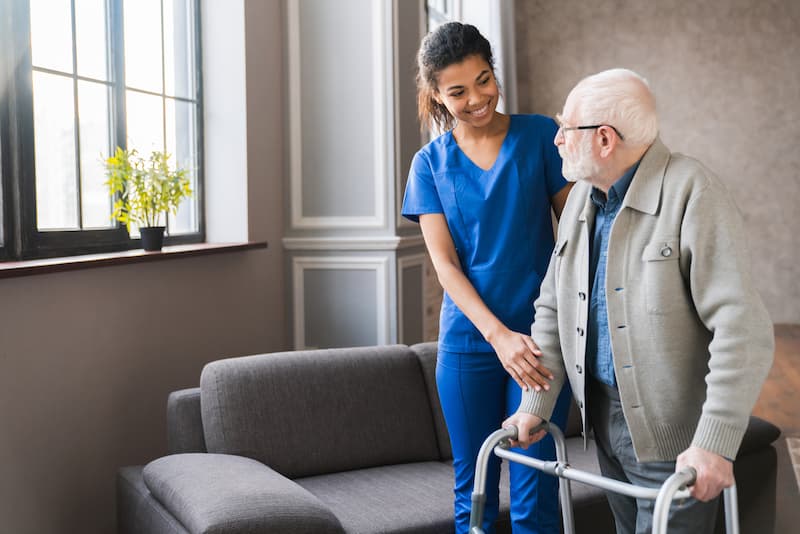
As more families seek ways to support aging loved ones while maintaining their independence, real time home monitoring for seniors has become an essential solution. These systems provide immediate alerts and ongoing insights, helping caregivers and family members respond quickly to emergencies or changes in daily routines. With the right technology, seniors can enjoy greater safety and autonomy in their own homes, while loved ones gain peace of mind knowing help is always within reach.
Modern monitoring tools range from motion sensors and bed alarms to comprehensive platforms that track activity, detect falls, and even monitor vital signs. The goal is to create a secure environment that respects privacy while ensuring timely intervention when needed. For those interested in exploring additional supportive technology, resources like smart assistance for elderly independence offer helpful insights into the latest gadgets and tools designed to empower seniors.
How Instant Alerts Improve Senior Safety at Home
One of the most valuable features of real time home monitoring for seniors is the ability to deliver instant notifications. Whether it’s a fall, unexpected movement, or a missed medication, these systems send alerts to caregivers or family members within seconds. This rapid response can make a significant difference in preventing complications from injuries or medical events.
For example, a wireless motion alarm can detect when a senior leaves their bed at night, reducing the risk of falls. Bed alarms can notify caregivers if someone attempts to get up unassisted, allowing for immediate support. These proactive measures not only protect physical health but also reduce anxiety for both seniors and their families.
Key Features of Modern Home Monitoring Systems
Today’s monitoring solutions are designed to be user-friendly and highly customizable. Here are some of the most important features to consider:
- Motion Detection: Sensors placed in hallways, bedrooms, or bathrooms can track movement and identify unusual patterns.
- Bed and Chair Alarms: These devices alert caregivers if a senior attempts to stand or leave a safe area without assistance.
- Wearable Devices: Smartwatches and pendants can detect falls, track location, and even monitor heart rate or oxygen levels.
- Remote Access: Many systems offer mobile apps or web portals, allowing family members to check in from anywhere.
- Privacy Controls: Advanced platforms prioritize privacy, using non-intrusive sensors and secure data handling. For more on privacy-first solutions, see this overview of elder care monitoring systems.
Choosing the right combination of features depends on the individual’s needs, the home environment, and the level of oversight required.
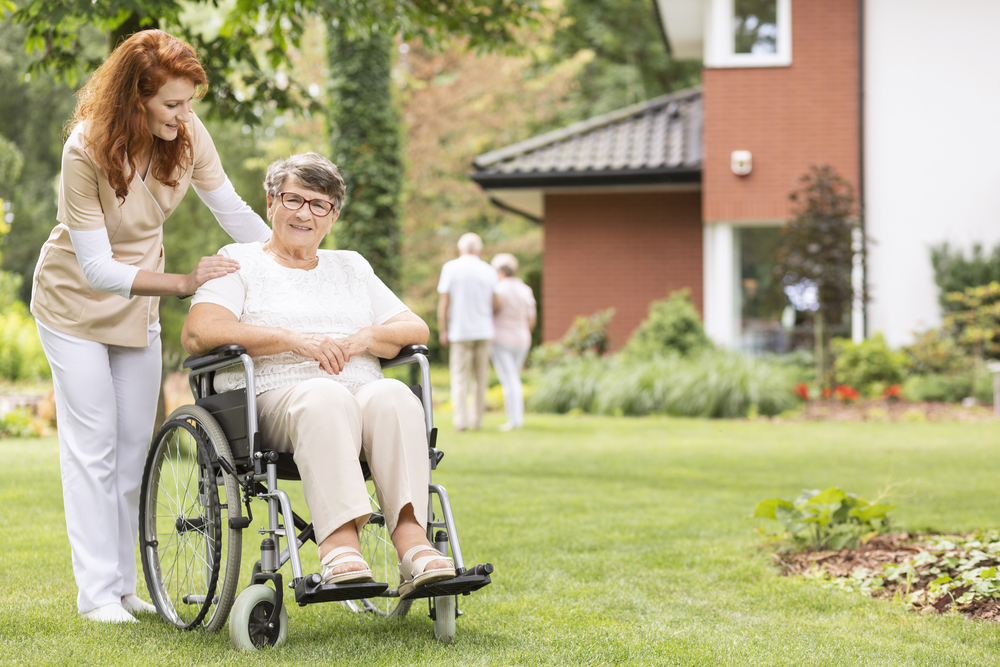
Benefits of Real-Time Updates for Families and Caregivers
Immediate notifications and continuous monitoring offer several advantages for those supporting older adults:
- Peace of Mind: Knowing that you’ll be alerted to emergencies or changes in routine reduces stress for caregivers and family members.
- Faster Response Times: Real-time data allows for quick intervention, which can be critical in medical emergencies or after a fall.
- Promotes Independence: Seniors can remain in their own homes longer, with less need for constant in-person supervision.
- Customizable Oversight: Systems can be tailored to provide as much or as little monitoring as needed, balancing safety and privacy.
These benefits are especially important for families who live far away or have busy schedules. The ability to check in remotely and receive instant updates helps maintain strong connections and ensures seniors are never truly alone.
Integrating Monitoring with Other Smart Home Technologies
Combining real time home monitoring for seniors with other smart devices can further enhance safety and convenience. For instance, integrating monitoring systems with voice assistants, automated lighting, or medication reminders creates a comprehensive support network within the home.
If you’re interested in setting up a broader smart home environment for an elderly parent, guides like how to set up smart devices for elderly parents provide practical steps and tips for getting started. This approach not only improves safety but also makes daily living easier and more enjoyable for seniors.

Choosing the Right Monitoring Solution
When selecting a monitoring system, consider the following factors:
- Level of Activity: More active seniors may need less intrusive monitoring, while those with mobility issues benefit from comprehensive coverage.
- Home Layout: The size and design of the home will influence sensor placement and the type of devices needed.
- Health Concerns: Chronic conditions or a history of falls may require advanced features like fall detection or health tracking.
- Budget: There are solutions for every price range, from simple alarms to integrated smart home platforms.
It’s also helpful to consult with healthcare providers or senior care specialists to ensure the chosen system meets all safety and medical needs. For those interested in the broader impact of technology in elder care, resources on digital transformation in senior care can provide valuable context and guidance.
Privacy and Ethical Considerations
While safety is a top priority, it’s important to respect the dignity and privacy of seniors. The best monitoring systems use discreet sensors and secure data protocols, ensuring that personal information is protected. Families should have open conversations with their loved ones about what is being monitored and why, seeking consent and addressing any concerns.
Some platforms are specifically designed to balance safety with privacy, using non-camera sensors or anonymized data. For more information on privacy-first approaches, see the previously mentioned elder care monitoring systems overview.
Frequently Asked Questions
What types of alerts do real-time monitoring systems provide?
Most systems offer a range of notifications, including fall detection, unusual movement, missed medication reminders, and emergency button activations. Alerts can be sent via text, app notification, email, or even automated phone calls, depending on the system.
Can seniors use these systems without technical experience?
Yes, many monitoring solutions are designed for ease of use. Devices often require minimal setup and can operate automatically in the background. Family members or caregivers typically handle installation and monitoring through user-friendly apps or dashboards.
Are these systems suitable for seniors living alone?
Absolutely. Real-time home monitoring is especially valuable for those who live independently, as it ensures help is available when needed. These tools can be customized to provide the right level of oversight without being intrusive, supporting both safety and independence.
How do these systems compare to traditional medical alert devices?
While traditional medical alert devices require the user to press a button, modern monitoring systems offer passive detection of falls, inactivity, or other risks. This means help can be dispatched even if the senior is unable to call for assistance themselves.
Conclusion
Advancements in real time home monitoring for seniors are transforming the way families support aging loved ones. By providing instant updates, customizable alerts, and seamless integration with other smart technologies, these systems help seniors remain safe and independent at home. Whether you’re looking for simple alarms or a comprehensive monitoring platform, there are solutions to fit every need and budget. For those interested in related innovations, exploring topics like walking pattern monitoring for seniors can offer further insights into how technology is reshaping elder care.