

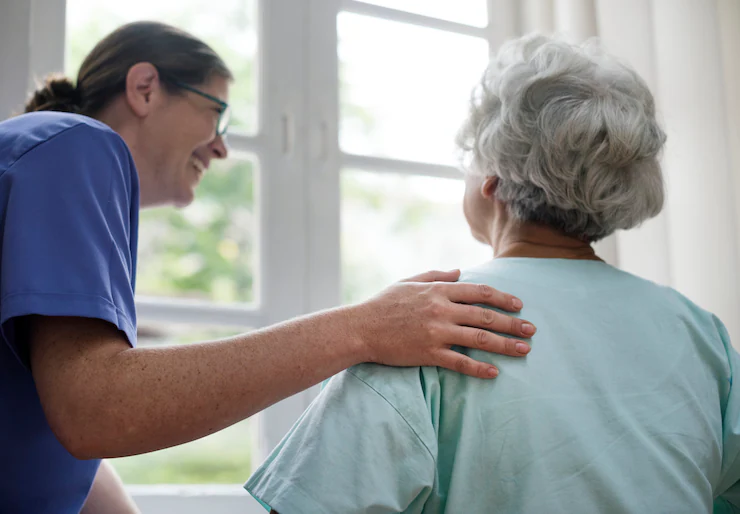
As people age, maintaining mobility and independence becomes increasingly important. However, changes in gait and balance can make older adults more susceptible to falls, which are a leading cause of injury among seniors. Walking pattern monitoring for seniors is a proactive approach that leverages technology and observation to identify early signs of instability, helping caregivers and families reduce the risk of falls before they happen.
By keeping track of how an older adult moves, it’s possible to spot subtle changes that may indicate an increased risk of falling. This guide explores the benefits, methods, and tools available for monitoring walking patterns, as well as practical steps to enhance safety at home or in care settings.
For those interested in supporting seniors’ daily lives with technology, you may also want to explore how to set up smart devices for elderly parents to make homes safer and more connected.
Why Gait Analysis Matters for Older Adults
Falls are a major health concern for seniors, often leading to hospitalizations, loss of independence, and reduced quality of life. Many falls are preventable if early warning signs are recognized. Gait analysis—the study of how a person walks—can reveal issues such as:
- Shuffling feet or dragging legs
- Uneven stride length
- Difficulty maintaining balance
- Slower walking speed
- Sudden changes in posture or movement
By tracking these changes, caregivers can intervene early, adjusting care plans or recommending medical evaluations. This proactive approach is at the heart of walking pattern monitoring for seniors, which aims to catch problems before they lead to accidents.
How Walking Pattern Monitoring Works
Monitoring walking patterns can range from simple observation to the use of advanced technology. Here are some common methods:
- Direct Observation: Caregivers or family members watch for changes in how a senior moves during daily activities.
- Wearable Devices: Smart insoles, fitness trackers, or specialized sensors can collect data on steps, stride, and balance.
- In-Home Sensors: Motion detectors and pressure mats placed in key areas (like hallways or near beds) can alert caregivers to unusual movement patterns or falls.
- Video Analysis: Cameras with privacy features can be used in care facilities to monitor mobility trends over time.
These tools can provide real-time alerts or generate reports that help identify patterns and potential risks. For example, a sudden decrease in walking speed or increased pauses may signal a need for further assessment.
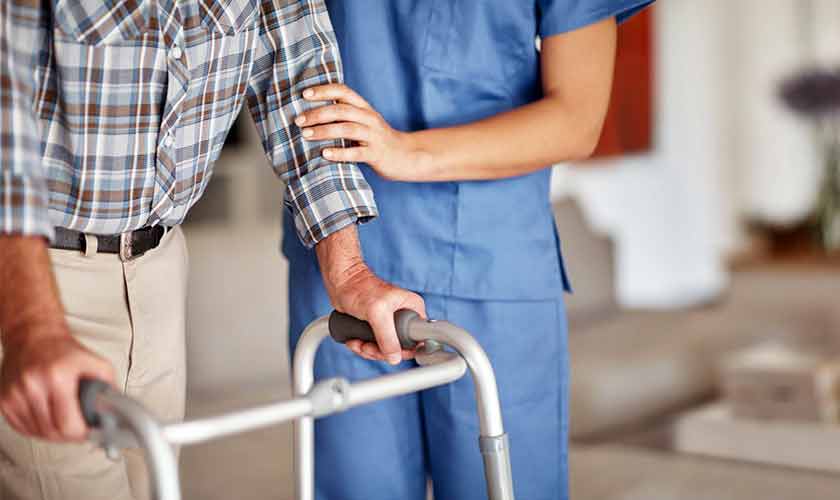
Benefits of Monitoring Mobility in Seniors
Implementing a system to track walking patterns offers several advantages:
- Early Detection: Spotting minor changes in gait can help prevent falls and injuries.
- Personalized Care: Data-driven insights allow for tailored exercise or therapy plans.
- Peace of Mind: Families and caregivers can feel more confident knowing there’s an extra layer of safety.
- Improved Communication: Objective data can be shared with healthcare providers for better decision-making.
- Enhanced Independence: Seniors can remain active longer with the right support and interventions.
For those interested in combining safety with quality of life, consider integrating easy entertainment gadgets for seniors alongside monitoring tools to support both well-being and engagement.
Choosing the Right Tools for Gait Monitoring
There are many products and systems designed to help monitor walking patterns. When selecting a solution, keep these factors in mind:
- Ease of Use: Devices should be simple for both seniors and caregivers to operate.
- Comfort: Wearables must be lightweight and non-intrusive.
- Data Privacy: Ensure that any video or sensor data is handled securely and with consent.
- Integration: Some systems can connect with other smart home devices for a comprehensive safety net.
- Alert Features: Look for products that offer immediate notifications in case of abnormal movement or falls.
For example, a bed alarm can notify caregivers if a senior gets up at night, while a wireless motion alarm can track movement in hallways or bathrooms. These devices are especially useful in preventing nighttime falls, which are common among older adults.
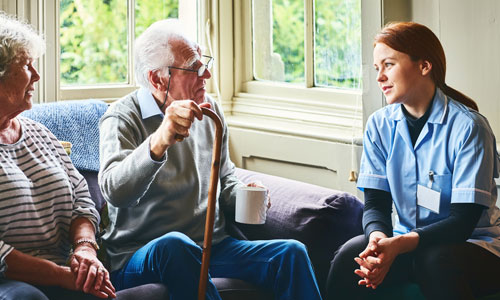
Integrating Smart Technology with Senior Care
Modern solutions for walking pattern monitoring for seniors increasingly rely on smart technology. These innovations can be especially valuable in assisted living facilities or for seniors who live alone. Examples include:
- Smart home systems that combine motion sensors with voice assistants
- Wearable devices that sync with smartphones to track daily activity
- Automated alerts sent to caregivers if a fall or abnormal movement is detected
Research shows that SMART technologies in older adult care can improve safety, support independence, and reduce caregiver stress when implemented thoughtfully.
For those looking to enhance seniors’ lifestyles with technology, you might also be interested in best tech gifts for seniors that combine fun and functionality.
Tips for Caregivers and Families
Supporting an older adult’s mobility and safety involves more than just technology. Here are some practical tips:
- Regularly review walking patterns and note any changes in speed, balance, or stride.
- Encourage seniors to wear proper footwear and keep living spaces free of trip hazards.
- Schedule routine check-ups with healthcare providers to address any new mobility concerns.
- Promote gentle exercise, such as walking or balance training, to maintain strength and flexibility. For ideas, see easy fitness equipment with digital tracking.
- Communicate openly about any fears or recent near-falls to ensure timely intervention.
Frequently Asked Questions
What are the most common signs of increased fall risk in seniors?
Common indicators include a slower walking pace, shuffling feet, unsteady balance, frequent pauses, and difficulty rising from chairs. Monitoring these changes can help identify when extra support or intervention is needed.
Are wearable devices effective for tracking walking patterns in older adults?
Yes, many modern wearables can accurately track steps, stride, and even detect falls. They are most effective when paired with regular observation and communication between seniors, caregivers, and healthcare professionals.
How can families encourage seniors to participate in gait monitoring?
It helps to explain the benefits in terms of safety and independence. Choose comfortable, easy-to-use devices and involve seniors in the selection process. Emphasize that the goal is to support their well-being, not to limit their freedom.
Conclusion
Proactively tracking how seniors move can make a significant difference in preventing falls and maintaining independence. Whether through observation, wearable technology, or smart home systems, walking pattern monitoring for seniors is a practical step toward safer, more confident aging. By combining the right tools with attentive care, families and professionals can help older adults enjoy a higher quality of life for years to come.