

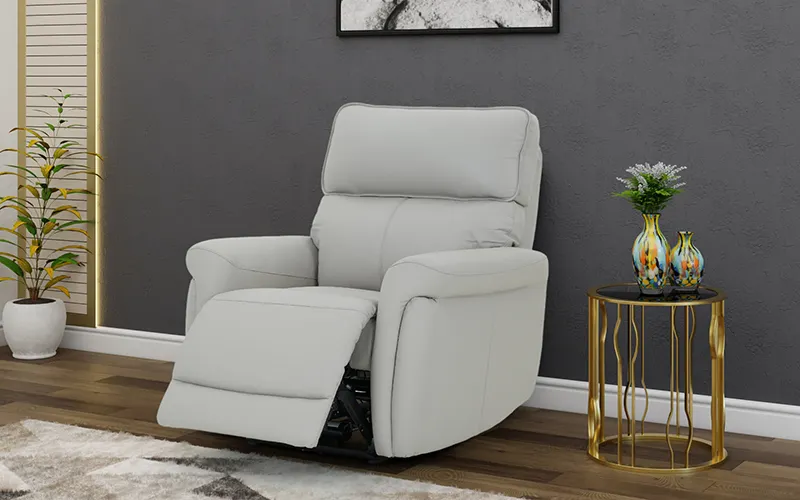
Comfortable recliners are a staple in many seniors’ homes, providing essential support and relaxation. However, keeping the upholstery clean and in good condition can be challenging, especially when mobility or dexterity is limited. Knowing how to maintain recliner upholstery not only extends the life of the chair but also ensures a healthier, more pleasant living environment. This guide covers practical strategies, cleaning routines, and expert advice tailored for seniors and caregivers.
For those interested in maximizing comfort and support, understanding the benefits of a high backrest for seniors can also help when choosing or maintaining a recliner.
Why Upholstery Care Matters for Seniors
Recliners often see daily use, making them prone to spills, stains, and general wear. For older adults, a clean and well-maintained chair isn’t just about aesthetics—it’s about health and safety. Dust, allergens, and bacteria can accumulate in fabric or leather, potentially causing respiratory issues or skin irritation. Regular care keeps the recliner fresh, reduces the risk of odors, and helps maintain a supportive seating surface.
Additionally, well-maintained upholstery supports the longevity of the chair, which is especially important for seniors who rely on their recliner for comfort and mobility assistance. For more on choosing the right chair, see our guide on how to select a recliner for a nursing home room.
Understanding Recliner Upholstery Types
Before diving into cleaning tips, it’s important to identify the type of upholstery your recliner has. The most common materials include:
- Fabric: Soft and breathable, but can absorb spills and attract dust.
- Leather: Durable and easy to wipe clean, but may crack if not conditioned.
- Faux Leather or Vinyl: Similar to leather but often less expensive; can be sensitive to harsh cleaners.
- Microfiber: Resistant to stains and easy to clean, making it a popular choice for seniors.
Always check the manufacturer’s care label for specific cleaning instructions before using any products or methods.
Daily and Weekly Maintenance Routines
Establishing a simple routine is key to keeping upholstery in top shape. Here are some practical steps for seniors and caregivers:
- Daily: Gently brush off crumbs, dust, and debris using a soft brush or handheld vacuum. This prevents dirt from embedding in the fabric or seams.
- Weekly: Use a vacuum with an upholstery attachment to clean all surfaces, including crevices and under cushions. For leather or vinyl, wipe down with a damp, soft cloth.
- Spot Cleaning: Address spills immediately. Blot (don’t rub) with a clean, dry cloth to absorb as much liquid as possible. Use a mild soap solution for most fabrics, or a leather cleaner for leather surfaces.
For seniors with limited mobility, consider using lightweight cleaning tools or asking for assistance with these tasks.
)
Deep Cleaning Strategies for Recliner Upholstery
Even with regular care, recliners benefit from a deeper clean every few months. Here’s how to approach a thorough cleaning, tailored to different upholstery types:
Fabric and Microfiber
- Vacuum thoroughly to remove all loose debris.
- Mix a solution of mild detergent and water. Test on a hidden area first.
- Use a soft cloth or sponge to gently clean the fabric, focusing on stains or high-use areas.
- Allow to air dry completely before use.
Leather and Faux Leather
- Wipe down with a damp cloth to remove dust and dirt.
- Apply a leather conditioner every 3–6 months to prevent cracking and keep the surface supple.
- For faux leather, use a gentle cleaner designed for vinyl surfaces.
For stubborn stains or odors, consider professional upholstery cleaning services. This can be especially helpful for seniors who may find deep cleaning physically demanding.
Preventing Stains and Damage
Prevention is often easier than cleaning. Here are some tips to protect recliner upholstery from common issues:
- Use washable slipcovers or armrest covers to shield high-contact areas.
- Avoid eating or drinking in the chair when possible, or use a tray to catch spills.
- Keep pets off the recliner to prevent scratches and fur buildup.
- Position the chair away from direct sunlight to prevent fading and material breakdown.
- Rotate and fluff cushions regularly to maintain shape and even wear.
For more information on choosing the right recliner for small spaces, you might find our article on what is a space-saver recliner helpful.
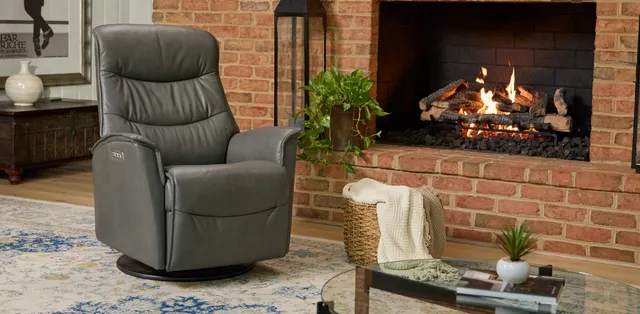
Special Considerations for Seniors
Older adults may have unique needs when it comes to furniture care. Here are some extra tips to make recliner maintenance easier and safer:
- Choose cleaning products with low fumes and non-toxic ingredients to avoid respiratory irritation.
- Opt for easy-to-use spray cleaners or wipes for quick touch-ups.
- Arrange for regular help from family, caregivers, or cleaning services if mobility is limited.
- Check moving parts and mechanisms for dust buildup, which can affect recliner operation. For troubleshooting, see our guide on how to fix a recliner footrest that won’t close.
Maintaining a clean and functional recliner can contribute to a safer, more comfortable living environment for seniors, supporting independence and well-being.
Expert Tips and Resources
For additional insights, consider exploring the health benefits of reclining chairs for seniors. These resources offer valuable information on choosing, using, and caring for recliners to maximize comfort and support.
When shopping for a new chair or accessories, always look for features that simplify cleaning and maintenance, such as removable covers or stain-resistant fabrics. Testing a recliner for stability before purchase is also recommended; learn more in our article on how to test a recliner for stability.
Frequently Asked Questions
How often should recliner upholstery be cleaned?
For most homes, a weekly vacuum and spot cleaning routine is sufficient. Deep cleaning every three to six months helps remove embedded dirt and allergens, especially if the recliner is used daily.
What cleaning products are safe for seniors to use?
Choose mild, non-toxic cleaners that are free from harsh chemicals and strong fragrances. Always test any product on a hidden area first and follow the manufacturer’s guidelines for your specific upholstery type.
Can slipcovers help protect recliner upholstery?
Yes, slipcovers are an excellent way to shield the original fabric or leather from spills, stains, and wear. They are easy to remove and wash, making maintenance much simpler for seniors and caregivers.
What should I do if my recliner develops a persistent odor?
Persistent odors often result from spills or trapped moisture. Start by vacuuming and spot cleaning the affected area. If the smell remains, sprinkle baking soda on the upholstery, let it sit for several hours, then vacuum again. For tough odors, a professional cleaning service may be necessary.
Conclusion
Proper care of recliner upholstery is essential for seniors who value comfort, cleanliness, and longevity in their furniture. By following these practical tips—ranging from daily upkeep to deep cleaning and preventive measures—seniors and caregivers can keep recliners looking and feeling their best for years to come. With the right approach, maintaining a favorite chair becomes a manageable part of a healthy, comfortable home routine.