

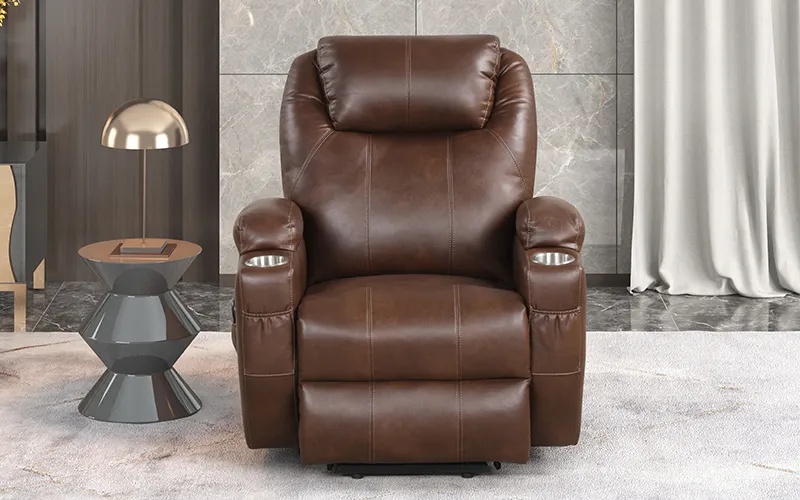
A recliner is designed for comfort and relaxation, but when the footrest refuses to close properly, it can quickly become a source of frustration. Whether the issue is a stubborn mechanism, misaligned parts, or worn components, resolving this problem is often possible with a few practical steps. This guide will walk you through the most common causes and solutions for a recliner footrest that won’t close as it should, helping you restore your chair’s functionality and comfort.
Before diving into the troubleshooting process, it’s helpful to understand how recliner mechanisms work and what typically leads to closure issues. Addressing these problems promptly can extend the life of your chair and ensure continued support, especially for those who rely on their recliner for health reasons. If you’re interested in optimizing comfort, you might also want to read about the benefits of a high backrest for seniors for additional support and neck relief.
Understanding Why a Recliner Footrest Gets Stuck
When your recliner’s footrest won’t close, several factors could be at play. The most common reasons include:
- Obstructed or jammed mechanism – Debris or foreign objects can block the moving parts.
- Loose or worn hardware – Screws, bolts, or springs may become loose or damaged over time.
- Misaligned frame or tracks – The footrest may not align correctly with the chair base, preventing closure.
- Damaged release lever or cable – Manual or cable-operated recliners can develop faults in the release system.
Identifying the underlying cause is the first step in resolving the issue. In many cases, a simple inspection and some basic tools are all you need to get your recliner working smoothly again.
Step-by-Step Guide to Repairing a Recliner Footrest That Won’t Close
Follow these steps to troubleshoot and fix a recliner footrest that won’t close:
1. Inspect for Obstructions and Debris
Begin by checking underneath and around the footrest. Remove any visible debris, such as coins, pens, or small objects, that could be blocking the mechanism. Sometimes, even a small obstruction can prevent the footrest from retracting fully.
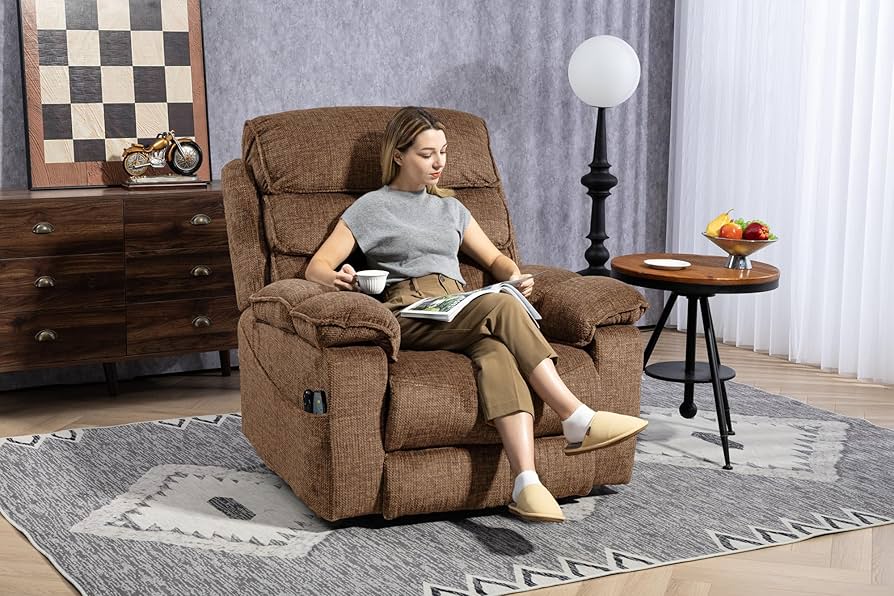
2. Tighten Screws, Bolts, and Springs
Use a screwdriver or wrench to check all visible hardware on the footrest mechanism. Tighten any loose screws or bolts. If you notice a spring is missing or stretched out, replacing it can restore the necessary tension for smooth operation.
For more advanced maintenance, such as replacing a faulty motor in a power recliner, see our detailed guide on how to replace a recliner motor.
3. Lubricate Moving Parts
Apply a silicone-based lubricant to the joints, hinges, and tracks of the footrest mechanism. Avoid using oil-based lubricants, as they can attract dust and grime. Lubrication helps reduce friction and allows the footrest to move more freely.
4. Realign the Footrest and Frame
If the footrest appears crooked or misaligned, gently adjust it by hand. Sometimes, the frame or tracks can shift out of place, especially after heavy use. Carefully push the footrest back into alignment with the chair base, ensuring it moves smoothly through its full range of motion.

5. Check the Release Lever or Cable
Manual recliners often use a lever or cable to operate the footrest. If the lever feels loose or the cable is frayed, it may not be engaging the mechanism properly. Inspect the cable for damage and replace it if necessary. Reattaching a loose cable can sometimes resolve the issue immediately.
6. Test the Recliner After Each Adjustment
After making any adjustments, test the footrest by opening and closing it several times. This helps ensure the problem is resolved and allows you to identify any remaining issues. If the footrest still won’t close, repeat the inspection steps or consult a professional for further assistance.
When to Seek Professional Help
While many recliner footrest issues can be fixed at home, some situations require expert attention. If you notice broken welds, severely bent frames, or complex electrical faults in a power recliner, it’s best to contact the manufacturer or a qualified furniture repair technician. Attempting to fix these issues yourself could void warranties or cause further damage.
For those considering a new chair, especially for elderly family members, it’s worth weighing the pros and cons of recliner chairs for elderly people before making a purchase.
Preventing Future Footrest Problems
Regular maintenance can help prevent your recliner’s footrest from getting stuck in the future. Here are some simple tips:
- Clean the mechanism every few months to remove dust and debris.
- Lubricate moving parts as needed to keep everything operating smoothly.
- Check hardware periodically and tighten any loose screws or bolts.
- Avoid forcing the footrest if it feels stuck, as this can cause further damage.
Choosing the right recliner for your needs can also make a difference. If you’re outfitting a care environment, our guide on how to select a recliner for a nursing home room offers practical advice for selecting supportive and durable options.
Additional Resources for Recliner Maintenance
Maintaining your recliner not only keeps it comfortable but also extends its lifespan. For those dealing with leg swelling or circulation issues, you may find value in learning how to use a recliner for edema relief. Understanding the mechanics of different recliner types, such as what is a 3-position lift chair, can also help you make informed decisions about repairs and upgrades.
Frequently Asked Questions
What tools do I need to repair a recliner footrest that won’t close?
Most repairs require basic hand tools such as a Phillips or flathead screwdriver, a wrench, and possibly pliers. For lubricating the mechanism, use a silicone-based spray. If you need to replace parts like springs or cables, have the appropriate replacement components on hand.
Can I fix a power recliner footrest myself?
Some issues, like loose hardware or minor misalignments, can be addressed at home. However, electrical faults or motor problems in power recliners are best handled by professionals or according to the manufacturer’s instructions to avoid voiding the warranty.
How often should I maintain my recliner to prevent footrest problems?
It’s a good idea to inspect and clean your recliner every three to six months. Regular maintenance, including tightening hardware and lubricating moving parts, will help prevent common issues and keep your chair functioning smoothly for years to come.