


Managing edema and leg swelling can be challenging, especially for seniors and individuals with limited mobility. Elevating the legs is a proven method to help reduce fluid buildup, and a recliner can be an effective tool for this purpose. Understanding how to use a recliner for edema relief can make a significant difference in daily comfort and overall health. This article provides practical guidance on using recliners to support circulation, minimize swelling, and improve quality of life for those dealing with edema.
Before exploring specific techniques, it’s important to recognize that not all recliners are created equal. Features such as adjustable backrests, leg elevation, and supportive cushions play a crucial role in maximizing comfort and therapeutic benefits. For those interested in additional support for posture and neck health, the benefits of a high backrest for seniors are also worth considering when choosing the right chair.
Why Recliners Help with Leg Swelling
Edema occurs when excess fluid accumulates in the body’s tissues, often in the lower legs and feet. This can result from various causes, including heart conditions, kidney issues, or simply prolonged sitting or standing. Elevating the legs above heart level is one of the most effective ways to encourage fluid return to the circulatory system and reduce swelling.
Recliners are uniquely suited for this purpose because they allow users to adjust their position easily. By reclining and raising the footrest, the legs can be comfortably elevated for extended periods, promoting better circulation and reducing discomfort. Some advanced models even offer infinite positioning, allowing for precise adjustments to meet individual needs.
Choosing the Right Recliner for Edema Management
When selecting a chair for managing swelling, several features should be prioritized:
- Leg Elevation Capability: Look for recliners that allow the legs to be raised above the heart. Power lift recliners often provide the best range of motion.
- Adjustable Backrest: The ability to recline at various angles helps users find the most comfortable and therapeutic position.
- Supportive Cushioning: Adequate padding reduces pressure points and supports healthy circulation.
- Ease of Use: Simple controls or remote operation are especially important for seniors or those with limited hand strength.
For those setting up a living space in a care environment, the article on how to select a recliner for a nursing home room provides additional tips on choosing the right model for specific needs.
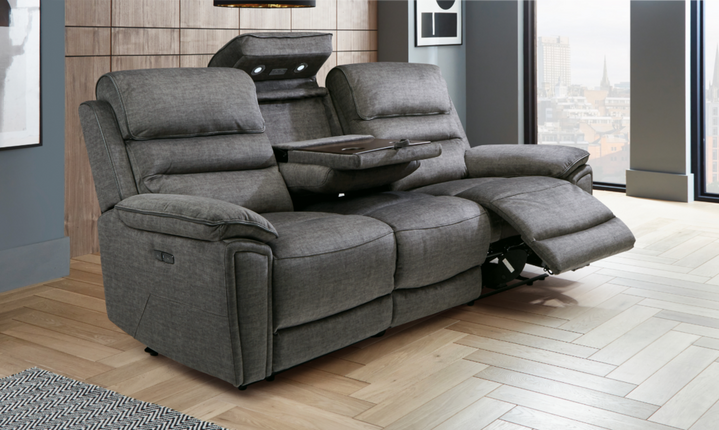
Step-by-Step Guide: Using a Recliner for Swelling Reduction
To maximize the benefits of your recliner for edema, follow these practical steps:
- Position the Recliner: Place the chair in a location where you can easily access it and have enough space to fully recline.
- Adjust the Backrest: Recline the backrest to a comfortable angle, ideally so your upper body is slightly elevated to support breathing and relaxation.
- Elevate Your Legs: Raise the footrest so your legs are above the level of your heart. This position helps gravity move fluid away from the lower extremities.
- Use Pillows if Needed: If your recliner does not elevate your legs high enough, place a firm pillow or cushion under your calves or ankles for additional lift.
- Maintain the Position: Remain in the elevated position for 20–40 minutes at a time, several times a day, as recommended by your healthcare provider.
- Move Regularly: While elevation is helpful, it’s important to change positions and gently move your feet and ankles to encourage circulation.
Consistency is key. Incorporating these sessions into your daily routine can help manage swelling and provide ongoing comfort.
Additional Tips for Effective Edema Relief
Beyond using a recliner, consider these strategies to further reduce swelling:
- Wear Compression Stockings: These can help prevent fluid from pooling in the legs.
- Stay Hydrated: Drinking enough water supports healthy fluid balance in the body.
- Monitor Salt Intake: Reducing sodium can help minimize water retention.
- Follow Medical Advice: Always consult with your healthcare provider for personalized recommendations and to rule out underlying conditions.
For those concerned about skin health while spending extended periods in a recliner, learning how to prevent pressure sores in recliners is essential for comprehensive care.

Comparing Recliner Types for Edema Support
There are several types of recliners available, each with unique benefits for those seeking relief from swelling:
| Type | Key Features | Best For |
|---|---|---|
| Manual Recliners | Lever or push-back operation, basic leg elevation | Budget-friendly, occasional use |
| Power Recliners | Electric controls, infinite positions, easy adjustment | Frequent use, limited mobility |
| Lift Chair Recliners | Assisted standing, full recline, leg elevation | Seniors, those with difficulty standing |
For a deeper look at the advantages of lift chairs, see this overview of lift chair recliner benefits for comfort, mobility, and independence.
Maintenance and Safety Considerations
To ensure your recliner continues to provide effective edema support, regular maintenance is important. Check moving parts for wear, keep the upholstery clean, and address any mechanical issues promptly. If you experience problems with the reclining mechanism, the guide on how to replace a recliner motor offers step-by-step instructions for simple repairs.
Always use the recliner as intended and avoid sudden movements when getting in or out. If you have a power recliner, ensure the remote and power supply are within easy reach. For those with balance or mobility challenges, consider models with lift assistance to reduce the risk of falls.
Frequently Asked Questions
How long should I elevate my legs in a recliner to reduce swelling?
Most healthcare professionals recommend elevating your legs for 20 to 40 minutes at a time, several times a day. However, the ideal duration can vary based on your specific condition and your doctor’s advice.
Can any recliner be used for edema relief?
While most recliners offer some leg elevation, models with full recline and higher footrests are more effective for managing swelling. Power and lift recliners provide the greatest flexibility and ease of use, especially for seniors or those with limited mobility.
Is it safe to sleep in a recliner if I have edema?
Sleeping in a recliner can be beneficial for some people with edema, as it helps keep the legs elevated. However, it’s important to ensure the chair supports your back and neck properly. Consult your healthcare provider to determine if overnight use is appropriate for your situation.
What other features should I look for in a recliner for swelling?
Look for chairs with adjustable positions, supportive cushions, easy-to-use controls, and durable construction. Additional features like heat and massage can also enhance comfort and circulation.
Conclusion
Using a recliner to manage edema and leg swelling is a practical, comfortable solution for many people. By choosing the right chair, following proper elevation techniques, and incorporating healthy habits, you can significantly reduce discomfort and improve circulation. For those seeking more information on specialized recliners, understanding what is a 3-position lift chair can help you make an informed decision. Always consult with your healthcare provider for personalized advice and to ensure your approach is safe and effective.