

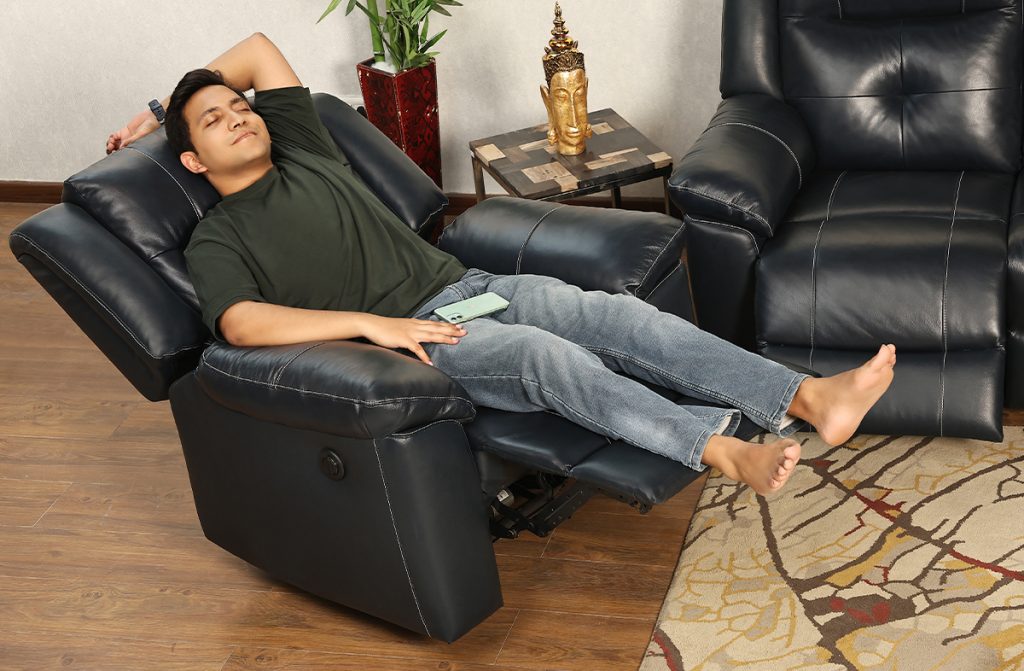
Choosing the right recliner for a nursing home environment is a crucial decision that can impact comfort, safety, and overall well-being. With a wide variety of options available, it’s important to focus on features that support seniors’ unique needs. This guide will walk you through the essential considerations and practical tips for making an informed choice, ensuring that the selected chair enhances daily living and care routines.
When evaluating options, factors such as ergonomic support, ease of use, and durability should be prioritized. The right recliner not only provides relaxation but also supports mobility, reduces pressure points, and can contribute to better health outcomes. Understanding these aspects will help you navigate the selection process with confidence.
One of the most overlooked aspects of comfort for seniors is proper back and neck support. For a deeper understanding of why this matters, see the benefits of a high backrest for seniors and how it can improve daily comfort and posture.
Key Features to Look for in a Recliner for Elderly Care
When considering how to select a recliner for a nursing home room, it’s essential to focus on features that address the specific requirements of older adults. Here are some of the most important elements to evaluate:
- Supportive Design: Look for high backrests, lumbar support, and cushioned armrests. These features help maintain proper posture and reduce strain on the body.
- Ease of Operation: Recliners with simple controls—manual levers or easy-to-use power buttons—are ideal for seniors with limited hand strength or dexterity.
- Mobility Assistance: Lift chairs can help users stand up safely, reducing the risk of falls. For more on this, explore the mechanics and benefits of 3-position lift chairs.
- Pressure Relief: Proper cushioning and adjustable positions help prevent pressure sores, a common concern in long-term care. Learn more about how to prevent pressure sores in recliners for enhanced safety.
- Easy-to-Clean Materials: Choose upholstery that is stain-resistant and simple to sanitize, supporting hygiene in shared environments.
- Size and Fit: The recliner should fit the user’s body size and the available space in the room without crowding other essential furniture.
Assessing Comfort and Ergonomics in Recliner Selection
Comfort is more than just soft cushions. Ergonomics play a vital role in ensuring that the chair supports the user’s body correctly. When testing recliners, pay attention to the following:
- Seat Height: The user’s feet should rest flat on the floor when seated, with knees at a right angle.
- Backrest Angle: Adjustable backrests allow for personalized comfort, whether sitting upright or reclining.
- Armrest Position: Armrests should be at a comfortable height to support the arms without causing shoulder strain.
- Head and Neck Support: A well-designed headrest can reduce neck fatigue and improve relaxation.
It’s also important to consider the recliner’s padding. Too much softness can make it difficult to get up, while too little can cause discomfort during prolonged use. Testing the chair in person, if possible, is highly recommended.
Safety Considerations for Nursing Home Recliners
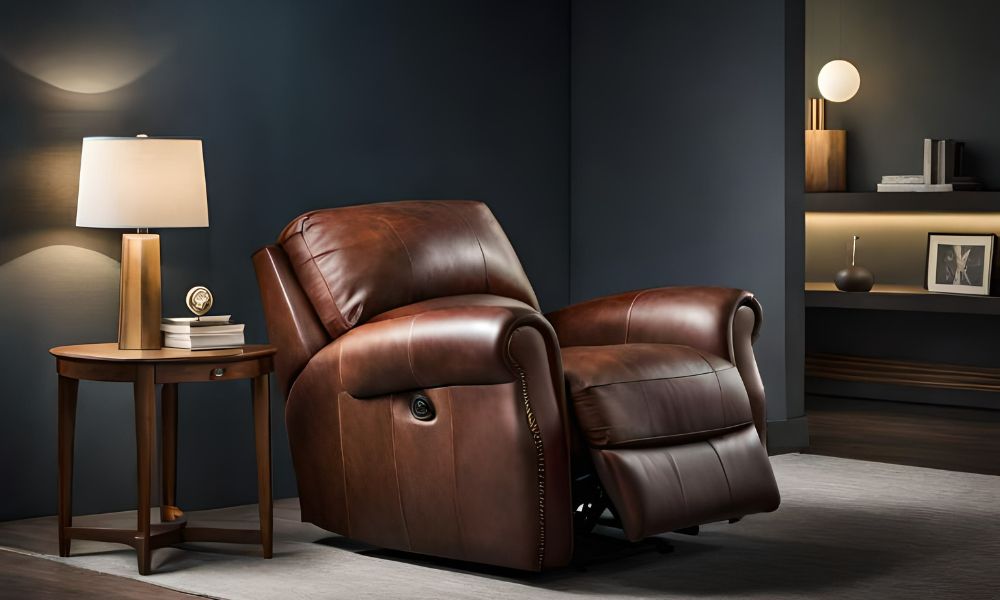
Safety is paramount in any healthcare setting. When selecting a recliner for a senior living space, keep these safety factors in mind:
- Sturdy Construction: The frame should be robust enough to support regular use and weight fluctuations.
- Stable Base: A wide, non-slip base prevents tipping and ensures stability during transfers.
- Accessible Controls: Controls should be easy to reach and operate, even for those with limited mobility.
- No Sharp Edges: Rounded corners and padded surfaces reduce the risk of injury.
- Locking Mechanisms: Some recliners offer locking positions to prevent accidental movement while entering or exiting the chair.
Consulting with caregivers or occupational therapists can provide additional insights into which safety features are most beneficial for the intended user.
Choosing the Right Size and Placement for the Room
Space constraints are common in nursing home rooms. Before purchasing, measure the available area to ensure the recliner fits comfortably without blocking pathways or access to other furniture. Consider these tips:
- Allow enough clearance behind and in front of the chair for full reclining and easy entry/exit.
- Position the recliner near electrical outlets if it’s a power model.
- Ensure there’s adequate lighting for reading or other activities.
- Keep the recliner within easy reach of call buttons or other assistive devices.
Proper placement not only maximizes comfort but also supports safety and accessibility within the room.

Maintenance and Longevity of Recliners in Care Settings
Durability is a key consideration, as nursing home furniture must withstand frequent use. Look for recliners with reinforced frames, high-quality upholstery, and replaceable parts. Regular maintenance, such as cleaning and checking mechanical components, extends the life of the chair. If you ever need to address mechanical issues, see this simple maintenance guide for replacing a recliner motor.
Additionally, select recliners with warranties or service plans for added peace of mind. This ensures that repairs or replacements can be handled efficiently if needed.
Comparing Types of Recliners for Nursing Home Use
There are several types of recliners suitable for senior care, each with distinct advantages:
- Manual Recliners: Operated by levers or push-back mechanisms, these are reliable and don’t require electricity.
- Power Recliners: Use electric motors for smooth adjustments, ideal for those with limited strength.
- Lift Chairs: Assist users in standing up safely, reducing fall risk. For a detailed comparison, review the difference between 2-position and 3-position recliners.
Consider the user’s mobility, preferences, and the facility’s infrastructure when choosing among these types.
Health Benefits of Recliners for Seniors
Recliners can offer significant health advantages for older adults, including improved circulation, reduced swelling, and relief from back or joint pain. According to this overview of reclining chair benefits for seniors, proper positioning can also help with breathing and digestion. These benefits make recliners a valuable addition to any senior care environment.
For optimal results, select a chair that allows for frequent position changes and supports the user’s unique health needs.
Frequently Asked Questions
What is the most important feature to look for in a recliner for a senior living space?
The most critical feature is support and safety. Look for a chair with a sturdy frame, proper lumbar and neck support, and easy-to-use controls. These elements help prevent injuries and ensure daily comfort.
How do I know if a recliner will fit in a nursing home room?
Measure the available space before purchasing. Check the recliner’s dimensions—both upright and fully reclined—and ensure there’s enough clearance for safe movement. It’s also wise to consider the placement of other furniture and accessibility needs.
Are power recliners better than manual ones for elderly users?
Power recliners are often easier for seniors with limited strength or mobility, as they require less physical effort to adjust. However, manual recliners can be more reliable in case of power outages and are typically simpler to maintain. The best choice depends on the user’s specific needs and the facility’s capabilities.