

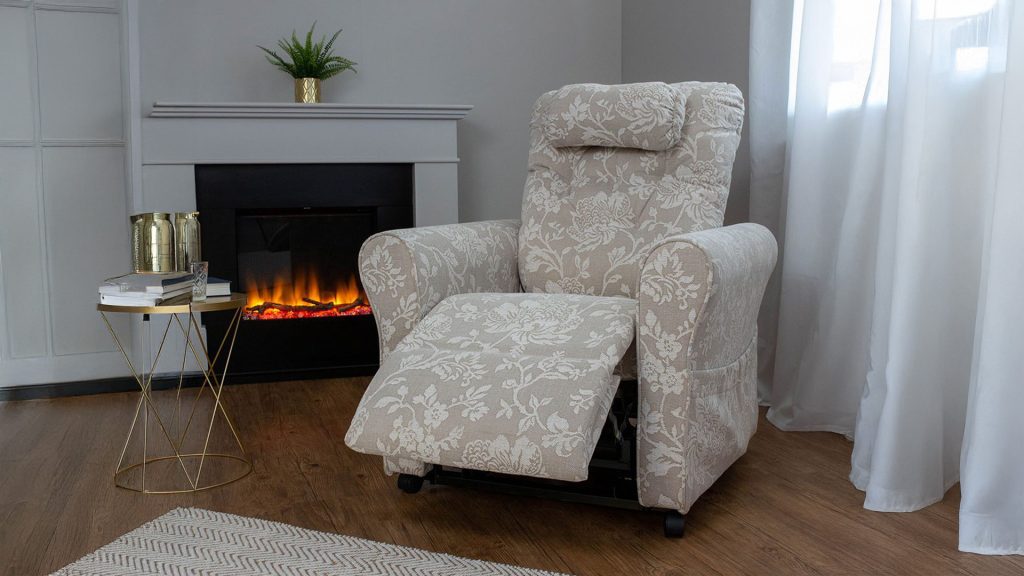
Choosing a recliner is about more than just comfort and style. For many, especially seniors and those with mobility concerns, stability is a top priority. A wobbly or unstable chair can lead to discomfort, frustration, or even injury. That’s why understanding how to test a recliner for stability before making a purchase is essential. This guide covers practical steps and expert tips to help you confidently assess any recliner’s sturdiness in the showroom or at home.
Beyond basic comfort, a stable recliner supports safe sitting, standing, and reclining. If you’re shopping for yourself or a loved one, especially someone who values benefits of a high backrest for seniors, taking the time to check stability can make a significant difference in daily use and peace of mind.
Why Recliner Stability Matters
Stability is a core safety feature in any seating, but it’s especially crucial for recliners. These chairs are designed to move—reclining, rocking, or swiveling—which can introduce instability if not engineered and assembled properly. An unstable recliner can tip, shift unexpectedly, or fail to support the user’s weight during movement.
For seniors, those recovering from surgery, or anyone with balance issues, a secure and steady chair reduces the risk of falls and injuries. It also ensures that the recliner delivers its intended health benefits, such as improved posture and pressure relief.
Key Features That Affect Recliner Stability
Before diving into hands-on tests, it helps to know which design elements contribute to a recliner’s steadiness. Here are the main factors:
- Frame Material: Solid hardwood or reinforced steel frames offer the best support.
- Base Design: Wide, flat bases distribute weight more evenly and resist tipping.
- Leg Construction: Sturdy, well-attached legs or a continuous base add to overall stability.
- Weight Capacity: Always check the manufacturer’s recommended weight limit.
- Recline Mechanism: Smooth, controlled movement prevents sudden shifts that could unbalance the chair.
Understanding these features helps you know what to look for as you test each model.
Step-by-Step: How to Test a Recliner for Stability in Store
When you’re shopping in person, follow these steps to thoroughly evaluate a recliner’s stability:
-
Inspect the Base and Frame
- Check for a wide, flat base or sturdy legs.
- Look underneath for solid construction—avoid thin, wobbly, or poorly joined frames.
-
Apply Gentle Pressure
- With the chair upright, press down on each armrest and the backrest.
- Notice if the chair rocks, creaks, or shifts on the floor. A stable recliner should remain firmly in place.
-
Sit and Shift Your Weight
- Carefully sit down and move your weight from side to side.
- The chair should not tip or feel uneven. If it wobbles, that’s a red flag.
-
Test the Recline and Return
- Engage the recline mechanism fully, then return to the upright position.
- Observe if the base lifts, slides, or feels unstable during movement.
-
Check on Different Surfaces
- If possible, test the recliner on both hard flooring and carpet. Some models behave differently depending on the surface.
Don’t hesitate to repeat these steps or ask a salesperson for assistance. It’s better to spend a few extra minutes now than regret your purchase later.

Assessing Recliner Stability at Home
If you’re buying online or want to double-check a new delivery, you can still evaluate your chair’s steadiness once it arrives. Here’s how:
- Assembly Check: Ensure all bolts, screws, and connections are tight. Loose hardware can cause wobbling.
- Level Test: Place the recliner on a flat surface. Use a bubble level if you have one, or simply check if all legs touch the floor evenly.
- Movement Test: Sit, recline, and return upright several times. Listen for unusual noises and feel for any shifting or instability.
- Weight Distribution: Have another person sit or press on different areas to see if the chair remains balanced.
If you notice persistent instability, contact the retailer or manufacturer for support. Some issues can be fixed with minor adjustments, while others may require a replacement.
Common Stability Issues and How to Address Them
Even well-built recliners can develop problems over time. Here are some typical issues and solutions:
| Issue | Possible Cause | What to Do |
|---|---|---|
| Wobbling or rocking | Loose bolts, uneven legs, worn floor glides | Tighten hardware, adjust leg height, replace glides |
| Base lifts during reclining | Improper assembly, weak frame | Reassemble per instructions, contact manufacturer |
| Unstable on carpet | Narrow base, lightweight design | Add a rug pad or move to a firmer surface |
For more detailed repair tips, check out our guide on how to fix a recliner footrest that won’t close.

Extra Tips for Seniors and Caregivers
For older adults or those with limited mobility, stability is even more critical. Here are some additional pointers:
- Consider models with anti-tip features or locking mechanisms.
- Look for chairs with armrests that provide firm support when standing up or sitting down.
- Choose recliners with high backs for added neck and spinal support, which can further enhance safety and comfort.
- Read about how to use a recliner for edema relief if swelling or circulation is a concern.
For those setting up a room in a care facility, our advice on how to select a recliner for a nursing home room may also be helpful.
What to Ask the Salesperson or Manufacturer
Don’t be shy about asking questions before you buy. Here are a few to consider:
- What is the weight capacity of this model?
- Is the frame made from solid wood or metal?
- Are there any anti-tip or safety features?
- What is the warranty on the frame and mechanism?
- Can I see assembly instructions or a demonstration?
Asking these questions can help you avoid surprises and ensure you’re making a safe investment.
Additional Resources on Recliner Safety
If you’re interested in how these chairs can benefit health and comfort, especially in care settings, see this overview of recliner benefits for care home residents. For those needing to maintain or repair their chair, our guide on how to replace a recliner motor offers practical advice.
Frequently Asked Questions
What are the most important signs of a stable recliner?
A stable recliner will have a wide, flat base, solid frame construction, and remain steady when you sit, shift your weight, or operate the reclining mechanism. There should be no wobbling, creaking, or shifting on the floor.
Can I improve the stability of a recliner after purchase?
Yes. Ensure all hardware is tightened, place the chair on a flat surface, and add non-slip pads or a rug if needed. Some stability issues can be addressed by adjusting leg height or replacing worn glides.
Are power recliners more stable than manual ones?
Not necessarily. Both power and manual recliners can be stable if well-designed. However, power models often have heavier bases, which can add to their steadiness. Always check the specific model’s construction and test it yourself.
What should I do if my recliner feels unstable after assembly?
First, double-check all screws and bolts. Make sure the chair is on a level surface. If the problem persists, contact the retailer or manufacturer for support or possible replacement.
Taking the time to check a recliner’s stability before buying helps ensure years of safe, comfortable use. Whether you’re shopping for yourself or a loved one, these practical steps can make all the difference in finding the right chair for your needs.