

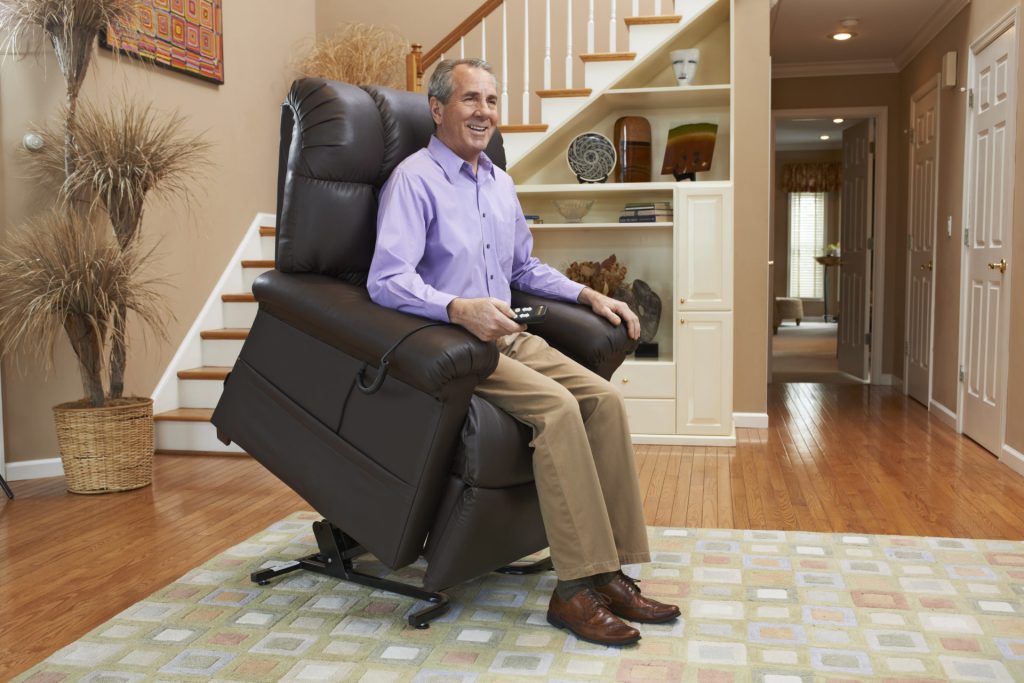
Selecting the right recliner for aging parents is an important decision that can significantly impact their comfort, safety, and overall well-being. With so many designs and features available, understanding how to choose a recliner for elderly family members requires careful consideration of their unique needs, mobility, and preferences. This guide will walk you through the essential factors to keep in mind, from ergonomic support and safety features to upholstery choices and ease of use.
As you explore options, it’s helpful to consider how a recliner fits into a broader care routine. Tools like elderly care efficiency tracking can help monitor daily habits and ensure your loved one’s comfort and safety at home.
Why the Right Recliner Matters for Seniors
The right chair can make daily life easier for older adults, especially those with limited mobility or chronic pain. A well-chosen recliner offers more than just a comfortable place to sit—it can help with standing up, reduce pressure on joints, and provide support during rest. For many families, investing in a supportive recliner is a practical step toward enhancing independence and quality of life.
Key Features to Look for When Selecting a Recliner
Understanding how to choose a recliner for elderly parents begins with identifying the most important features. Here are the top considerations:
- Lift Mechanism: Power lift recliners gently raise and tilt forward, assisting users in standing up safely. This is especially helpful for seniors with limited strength or balance.
- Ergonomic Support: Look for chairs with lumbar support, adjustable headrests, and cushioning that conforms to the body. Proper support helps prevent back pain and fatigue.
- Ease of Controls: Simple, large-button remotes or manual levers are ideal for those with arthritis or limited dexterity.
- Sturdy Construction: A strong frame and stable base reduce the risk of tipping or wobbling.
- Upholstery: Choose easy-to-clean, breathable fabrics. Leather and microfiber are popular options for both comfort and maintenance.
- Size and Fit: The chair should fit the user’s height and weight. Feet should rest flat on the floor when seated, and armrests should be at a comfortable height.
- Additional Features: Extras like heat, massage, or USB charging ports can add convenience and comfort, but should not compromise safety or usability.
Assessing Mobility and Health Needs
Before making a purchase, consider your parent’s specific health conditions and mobility challenges. For example, someone with arthritis may benefit from a chair with a heated seat or massage function, while a person recovering from surgery might need a model with a higher seat and firmer cushioning. Consulting with a healthcare provider or occupational therapist can provide valuable insights into which features will offer the most benefit.
Comparing Recliner Types for Older Adults
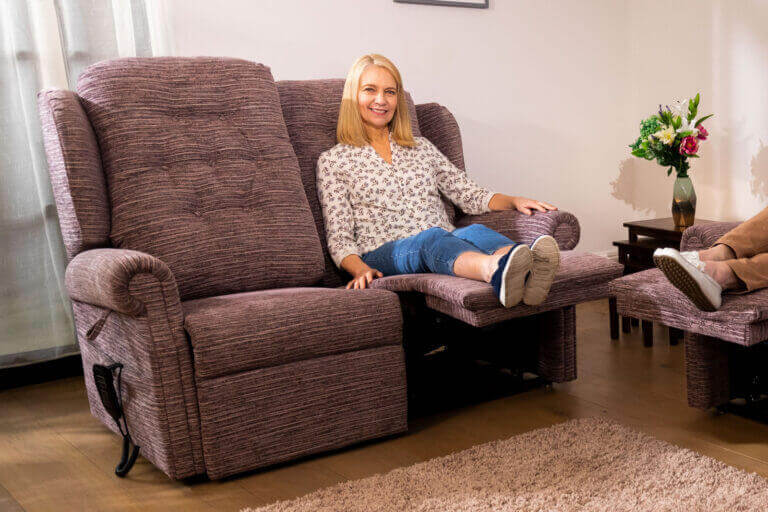
There are several types of recliners, each with its own advantages. Understanding the differences can help you make an informed decision:
- Manual Recliners: These use a lever or push-back mechanism. They are generally more affordable but may be harder for those with limited strength to operate.
- Power Recliners: Operated by an electric motor, these chairs allow users to adjust the position with the push of a button. They are ideal for seniors who need assistance changing positions.
- Lift Chairs: Specifically designed for those with mobility challenges, lift chairs make it easier to stand up and sit down safely. Many models also offer customizable reclining angles.
- Specialty Recliners: Some chairs include features like heat, massage, or zero-gravity positioning for added therapeutic benefits.
To learn more about the pros and cons of recliner chairs for seniors, review expert advice and real-world feedback before making your choice.
Safety Considerations When Choosing a Recliner
Safety is a top priority when selecting furniture for older adults. Here are some tips to ensure the recliner you choose minimizes risk:
- Anti-Tip Design: Look for a wide, stable base and anti-tip features, especially for power and lift chairs.
- Emergency Battery Backup: For electric models, a battery backup ensures the chair can return to an upright position during a power outage.
- Accessible Controls: Controls should be easy to reach and operate, even for those with limited hand strength.
- Clear Pathways: Ensure there is enough space around the chair for safe movement and that cords do not pose a tripping hazard.
Integrating a recliner into a daily routine can be even more effective when paired with elderly daily habit monitoring tools, which help track comfort and activity levels.

Tips for Measuring and Fitting the Recliner
To ensure a proper fit, measure both the intended user and the space where the chair will be placed. Consider the following:
- User Height and Weight: Recliners come in various sizes. Check manufacturer specifications to match the user’s body type.
- Room Dimensions: Make sure there is enough clearance for the chair to fully recline and for the user to move around safely.
- Doorways and Hallways: Measure entryways to confirm the chair can be delivered and installed without difficulty.
Taking time to measure accurately helps avoid returns and ensures the chair will be comfortable and accessible.
Maintaining and Caring for the Recliner
Once you’ve selected the ideal chair, regular maintenance will keep it functioning well and looking good. Here are some simple care tips:
- Clean Upholstery: Follow manufacturer guidelines for cleaning. Use gentle cleaners for fabric, and condition leather as needed.
- Check Mechanisms: Periodically test the reclining and lift functions to ensure smooth operation.
- Inspect for Wear: Look for loose bolts, frayed cords, or worn padding and address issues promptly.
For those managing multiple aspects of senior care, resources like senior care efficiency tracking can help streamline routines and monitor comfort.
Frequently Asked Questions
What is the best type of recliner for seniors with limited mobility?
Power lift recliners are often the best choice for seniors with limited mobility. They provide assistance with standing up and sitting down, and many models offer customizable positions for maximum comfort.
How do I know if a recliner is the right size for my parent?
The ideal chair allows the user’s feet to rest flat on the floor, with knees at a 90-degree angle and armrests at a comfortable height. Always check the manufacturer’s sizing guide and, if possible, have your parent try the chair before purchasing.
Are there recliners that help with circulation or back pain?
Yes, many recliners offer features like zero-gravity positioning, heat, and massage, which can help improve circulation and relieve back pain. Look for models with good lumbar support and adjustable settings to meet your parent’s needs.
What safety features should I prioritize?
Focus on a stable base, anti-tip design, easy-to-use controls, and emergency battery backup for power models. Make sure the chair is placed in a safe, accessible area with no tripping hazards.
How can I integrate a recliner into a senior’s daily care routine?
A supportive chair can be part of a broader care plan that includes elderly routine optimization and daily habit monitoring. This ensures comfort and safety throughout the day.