


Caring for aging parents or relatives at home brings both comfort and responsibility. As needs change, many families look for ways to ensure safety, independence, and peace of mind. Family caregiver monitoring tools have become essential in supporting loved ones, especially when direct supervision isn’t always possible. These solutions can help prevent accidents, detect emergencies, and provide reassurance to both caregivers and those receiving care.
With a growing range of technology available, it’s easier than ever to find monitoring options that fit different lifestyles and preferences. Whether you’re seeking simple alert systems or advanced remote monitoring, understanding what’s available can help you make informed decisions. For those interested in exploring related technology, our guide on smart assistance for elderly independence offers additional insights into helpful gadgets for seniors.
Why Monitoring Solutions Matter for Family Caregivers
Home caregiving often involves balancing work, personal life, and the needs of a loved one. Even the most attentive caregivers can’t be present every moment. That’s where caregiver monitoring devices come in. These tools help bridge the gap, offering:
- Immediate alerts in case of falls, wandering, or emergencies
- Remote check-ins for peace of mind when you’re away
- Data and trends to support health and safety decisions
- Greater independence for seniors who wish to remain at home
By integrating technology into daily routines, families can reduce stress and respond quickly to potential issues. This approach also supports aging in place, which many seniors prefer over institutional care.
Types of Family Caregiver Monitoring Tools
The market offers a variety of monitoring solutions, each designed to address specific concerns. Here are some of the most common types:
1. Fall Detection and Bed Alarms
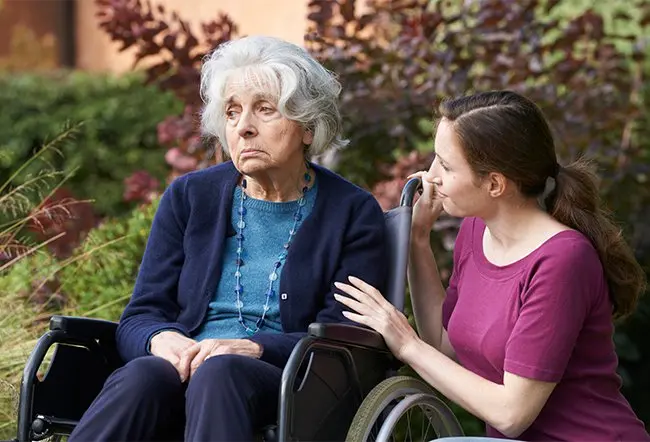
Falls are a leading cause of injury among older adults. Devices like bed and chair alarms notify caregivers if a loved one attempts to get up unassisted, reducing the risk of unnoticed falls. Some systems use pressure sensors, while others rely on motion detection.
For those interested in more advanced detection, walking pattern monitoring for seniors can help identify changes in mobility and potential fall risks before accidents occur.
2. Motion Sensors and Door Alarms
Wandering is a concern for families caring for individuals with dementia or memory loss. Motion sensors and door alarms alert caregivers if someone leaves a designated area, such as a bedroom or the home itself. These devices are often wireless and easy to install, providing an extra layer of security without being intrusive.
3. Remote Health and Activity Monitoring
Some systems allow caregivers to monitor activity levels, medication adherence, and even vital signs remotely. These platforms often include mobile apps for real-time updates and historical data tracking. This information can be shared with healthcare professionals to support better care planning.
Choosing the Right Monitoring Solution
Selecting the best option depends on your loved one’s needs, home environment, and your caregiving routine. Here are a few factors to consider:
- Level of supervision required: Is your loved one at risk for falls, wandering, or medical emergencies?
- Ease of use: Will the device be simple for both the caregiver and the senior to operate?
- Connectivity: Do you need remote access via smartphone or computer?
- Privacy: Are you looking for non-intrusive options? Some families prefer systems that don’t use cameras or microphones.
- Budget: Costs can vary widely, from basic alarms to comprehensive monitoring platforms.
For a broader look at how technology is changing senior care, see our article on digital transformation in senior care.
Benefits of Using Caregiver Monitoring Devices
Integrating family caregiver monitoring tools into daily routines offers several advantages:
- Peace of mind: Caregivers can rest easier knowing they’ll be alerted to urgent situations.
- Faster response times: Immediate notifications help prevent minor incidents from becoming emergencies.
- Greater independence: Seniors can maintain more autonomy, knowing help is available if needed.
- Reduced caregiver stress: Technology can help balance caregiving with other responsibilities.
- Better communication: Some systems allow multiple family members to receive alerts and updates.
Privacy and Dignity: Balancing Safety With Respect
While monitoring solutions offer many benefits, it’s important to respect the privacy and dignity of those being cared for. Discussing options openly and choosing non-intrusive devices can help maintain trust. Many families opt for systems that use motion or pressure sensors rather than cameras, especially in private spaces like bedrooms and bathrooms.
For more on non-intrusive approaches, learn about elderly non-intrusive remote monitoring and how these solutions can support safety without sacrificing comfort.

Tips for Setting Up Monitoring Devices at Home
Proper installation and maintenance are key to getting the most from your monitoring system. Here are some practical tips:
- Read the manufacturer’s instructions carefully before setup.
- Test devices regularly to ensure they’re working as expected.
- Place sensors in high-risk areas, such as near beds, bathrooms, and exits.
- Discuss the system with your loved one and explain how it helps keep them safe.
- Update contact information so alerts reach the right people.
If you’re new to smart home technology, our resource on how to set up smart devices for elderly parents provides step-by-step guidance for beginners.
Frequently Asked Questions
What are the most important features to look for in a caregiver monitoring system?
Key features include reliable alerts, ease of use, non-intrusive design, and compatibility with your home environment. Consider whether you need remote access, integration with mobile devices, and the ability to monitor multiple areas or individuals.
Are these monitoring solutions difficult to install?
Most modern systems are designed for easy installation, often requiring no professional help. Wireless devices, in particular, can be set up quickly with minimal tools. Always follow the manufacturer’s instructions and test the system after installation.
How can I ensure my loved one’s privacy while using monitoring technology?
Choose options that use motion or pressure sensors instead of cameras or microphones in private areas. Have an open conversation with your loved one about the purpose of the devices and involve them in the decision-making process whenever possible.
Conclusion
Choosing the right family caregiver monitoring tools can make a significant difference in the safety, comfort, and independence of your loved one. By understanding the available options and considering individual needs, families can create a supportive environment that balances security with dignity. For more on enhancing daily life for seniors, explore our articles on noise cancelling headphones for seniors and other practical solutions.