

Choosing the right recliner can make a significant difference in comfort, mobility, and independence for older adults. As families and caregivers search for the best seating solutions, understanding the difference between manual and electric recliners for elderly becomes essential. Both types offer unique advantages, but the ideal choice depends on individual needs, physical abilities, and lifestyle preferences. This article explores the features, benefits, and considerations of manual and electric recliners to help you make an informed decision for yourself or a loved one.
For those interested in other senior-friendly technology, you might also find our guide on phones with emergency SOS button helpful for enhancing safety at home.
Understanding the Key Differences
When comparing manual and electric recliners, it’s important to look at how each operates and what that means for seniors. The difference between manual and electric recliners for elderly users often comes down to ease of use, required strength, and available features.
- Manual recliners are operated by physically pushing back or pulling a lever to adjust the seat position. They do not require electricity and are generally simpler in design.
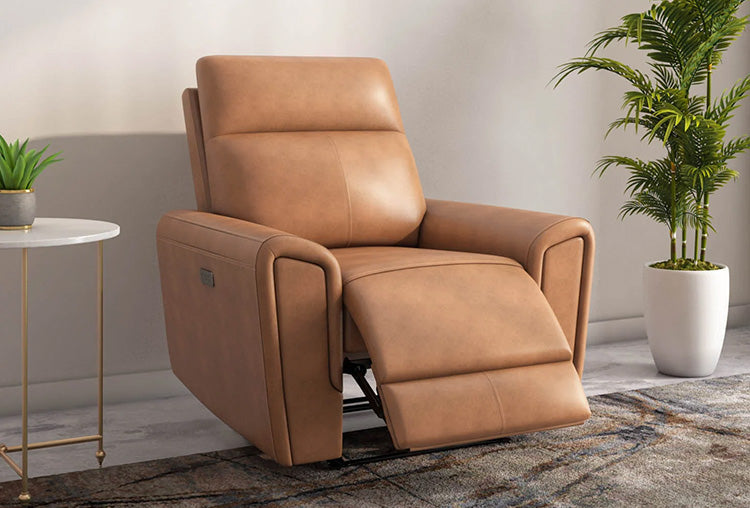
- Electric recliners, also known as power recliners, use a motorized mechanism controlled by a remote or buttons. Some models, often called lift chairs, can even help users stand up safely.
Both styles offer reclining comfort, but the way they function can impact daily use, especially for those with limited mobility or strength.
Manual Recliners: Pros and Cons for Seniors
Manual recliners have been a staple in living rooms for decades. Their straightforward design makes them a popular choice, but they may not be suitable for everyone.
Advantages of Manual Recliners
- Affordability: Manual models are typically less expensive than their electric counterparts.
- No Need for Power: They can be placed anywhere without worrying about electrical outlets or power outages.
- Simplicity: Fewer moving parts mean less risk of mechanical failure or maintenance issues.
Potential Drawbacks
- Physical Effort Required: Adjusting the chair may be difficult for those with arthritis, muscle weakness, or limited hand dexterity.
- Limited Adjustability: Most manual recliners offer fewer positions compared to electric models.
- No Lift Function: They do not assist with standing up, which can be a challenge for some elderly users.

Electric Recliners: Features and Benefits for Elderly Users
Electric recliners, or power chairs, are designed with convenience and accessibility in mind. These chairs are especially beneficial for seniors who may struggle with manual controls or need extra assistance when sitting or standing.
Key Benefits
- Effortless Operation: With the push of a button, users can adjust the chair to their preferred position without physical exertion.
- Lift Assistance: Many power recliners include a lift function, gently raising the user to a standing position. This is invaluable for those with mobility challenges.
- Customizable Comfort: Electric models often offer more reclining angles and positions, including independent footrest and backrest controls.
- Added Features: Some models include massage, heat, USB charging ports, and side pockets for convenience.
Considerations
- Higher Cost: Electric recliners are generally more expensive due to their advanced mechanisms and added features.
- Requires Power Source: Placement is limited to areas near electrical outlets, and power outages can temporarily disable the chair’s functions.
- Maintenance: More complex parts mean a higher chance of mechanical issues over time.
For a detailed breakdown of how these two types compare, see this comprehensive guide to manual and power riser recliners.
Comparing Comfort, Safety, and Usability
Comfort and safety are top priorities for seniors choosing a recliner. The difference between manual and electric recliners for elderly individuals often becomes clear when considering daily use and physical limitations.
| Feature | Manual Recliner | Electric Recliner |
|---|---|---|
| Operation | Manual lever or push-back | Remote or button control |
| Physical Effort | Moderate to high | Minimal |
| Lift Assistance | No | Yes (in lift models) |
| Adjustability | Limited positions | Multiple, customizable positions |
| Power Requirement | None | Yes |
| Price Range | Lower | Higher |
How to Decide: Factors to Consider
When selecting a recliner for an elderly person, consider the following:
- Mobility and Strength: If the user has limited strength or struggles to operate manual levers, an electric recliner may be more suitable.
- Living Space: Manual recliners offer more flexibility in placement, while electric models need to be near a power source.
- Budget: Manual options are more affordable, but electric chairs offer greater convenience and features.
- Desired Features: Consider whether lift assistance, massage, or heat functions are important for comfort and independence.
- Maintenance Willingness: Electric recliners may require occasional servicing, while manual chairs are generally low-maintenance.
It’s also worth exploring other accessible technology, such as easy to use smartphones for seniors, to further enhance daily living for older adults.
Frequently Asked Questions
Are electric recliners safe for elderly people with limited mobility?
Yes, electric recliners are designed with safety in mind. Many models include lift assistance, which helps users stand up safely. Features like anti-tip bases and battery backup systems further enhance safety during use.
Do manual recliners last longer than electric recliners?
Manual recliners often have fewer mechanical parts, which can mean fewer things that might break over time. However, high-quality electric recliners are built to be durable as well. Regular maintenance and gentle use can extend the lifespan of both types.
Can electric recliners work during a power outage?
Most electric recliners require power to operate, but some models come with a battery backup that allows the chair to return to a seated or standing position during an outage. It’s important to check this feature before purchasing if power interruptions are a concern.
Conclusion
Understanding the difference between manual and electric recliners for elderly users is key to making the right choice. Manual models offer simplicity and affordability, while electric recliners provide ease of use, advanced features, and enhanced safety. Consider the user’s mobility, budget, and desired features before making a decision. Whichever option you choose, a comfortable and supportive recliner can improve daily life and independence for seniors.