

Choosing the right recliner can have a significant impact on comfort, mobility, and quality of life for older adults. With so many options available, it’s important to weigh the pros and cons of leather vs fabric recliners for elderly users. Each material offers unique benefits and potential drawbacks, from ease of cleaning to breathability and durability. This guide will help you understand the differences so you can make an informed decision for yourself or a loved one.
Before diving into the details, it’s worth noting that recliners designed for seniors often include features like easy-to-use controls, supportive cushioning, and safety mechanisms. If you’re also considering technology for seniors, such as phones with emergency SOS button, pairing the right furniture with the right devices can further enhance safety and comfort at home.
Understanding the Differences Between Leather and Fabric Recliners
When comparing leather and fabric recliners for seniors, the primary distinctions come down to material properties, maintenance, comfort, and aesthetics. Both types are available in a range of styles and price points, but your choice will affect daily use and long-term satisfaction.
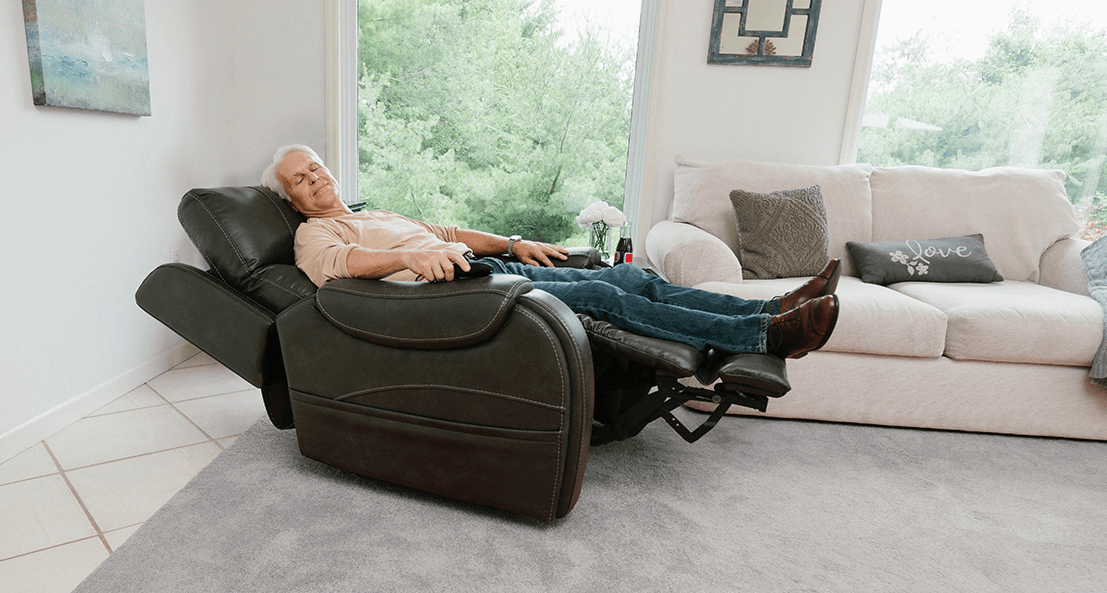
- Leather recliners are typically made from genuine or synthetic hides, offering a sleek and classic look.
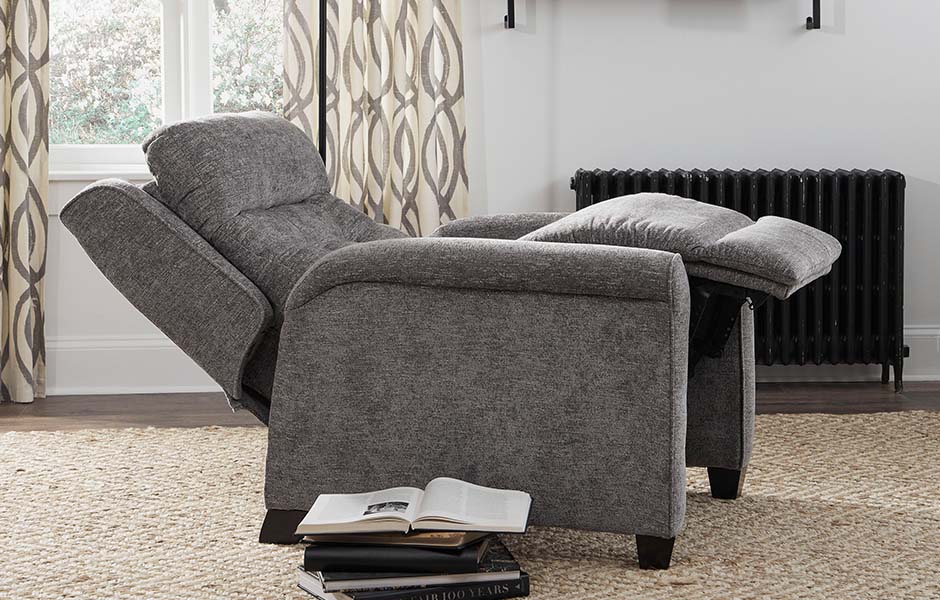
- Fabric recliners use woven textiles such as microfiber, cotton, or polyester blends, providing a softer and often warmer feel.
Let’s explore the key factors to consider for each material, especially as they relate to the needs of older adults.
Benefits and Drawbacks of Leather Recliners for Seniors
Leather recliners are popular for their luxurious appearance and reputation for durability. However, they may not be the best fit for everyone, especially when considering the needs of elderly users.
Advantages of Leather Upholstery
- Easy to clean: Spills and stains can usually be wiped away with a damp cloth, making leather a practical choice for those with limited mobility or dexterity.
- Hypoallergenic: Leather doesn’t trap dust, pet dander, or allergens as easily as fabric, which can be beneficial for seniors with allergies or respiratory concerns.
- Durability: High-quality leather can last for many years with proper care, resisting wear and tear better than many fabrics.
- Classic appearance: Leather recliners often look elegant and can fit well in both traditional and modern interiors.
Potential Disadvantages for Older Adults
- Temperature sensitivity: Leather can feel cold in winter and hot or sticky in summer, which may be uncomfortable for sensitive skin.
- Slipperiness: The smooth surface can make it harder for some seniors to get in and out of the chair safely, especially if mobility is limited.
- Cost: Genuine leather recliners are often more expensive than fabric options, which may not suit every budget.
- Maintenance: While easy to wipe clean, leather requires occasional conditioning to prevent cracking or drying out over time.
Pros and Cons of Fabric Recliners for Elderly Users
Fabric recliners offer a different set of advantages and challenges. For many seniors, the comfort and warmth of fabric can be appealing, but it’s important to consider care and longevity as well.

Strengths of Fabric Upholstery
- Softer feel: Fabric recliners are generally warmer and softer to the touch, providing a cozy seating experience.
- Non-slip surface: The texture of fabric can make it easier for seniors to sit down and stand up without sliding.
- Variety of colors and patterns: Fabric options offer more choices for matching home décor and personal preferences.
- Affordability: Fabric recliners are often less expensive than their leather counterparts, making them accessible for more households.
Drawbacks to Consider
- Stain susceptibility: Fabric can absorb spills and may be harder to clean, especially if the upholstery is not removable or machine washable.
- Allergen accumulation: Dust, pet hair, and allergens can become trapped in fabric fibers, which may affect those with sensitivities.
- Wear and tear: Fabric may show signs of pilling, fading, or fraying over time, particularly in high-use areas.
- Odor retention: Fabric can hold onto smells from food, pets, or smoke, which may require more frequent cleaning.
Comparing Comfort, Safety, and Maintenance
For older adults, comfort and safety are top priorities. The right recliner should provide support, be easy to use, and require minimal upkeep. Here’s how leather and fabric stack up in these areas:
| Feature | Leather | Fabric |
|---|---|---|
| Comfort | Cool, smooth, may be slippery | Warm, soft, non-slip |
| Cleaning | Wipes clean easily | May require spot or deep cleaning |
| Allergen Control | Resists dust and dander | Can trap allergens |
| Durability | Long-lasting with care | May show wear sooner |
| Cost | Generally higher | More budget-friendly |
| Safety | Can be slippery | More secure seating |
How to Choose the Best Recliner Material for Seniors
When deciding between leather and fabric recliners, consider the individual’s needs, lifestyle, and home environment. Here are a few tips to guide your decision:
- For those with allergies or respiratory issues, leather may be preferable due to its hypoallergenic properties.
- If the user values warmth and softness, or has difficulty with slippery surfaces, fabric could be the better choice.
- Consider ease of cleaning: leather is simpler for quick wipe-downs, while fabric may need more effort if spills are common.
- Budget is also important—fabric options are generally more affordable, but high-quality leather can be a worthwhile investment for long-term use.
- Think about the climate: leather can be uncomfortable in hot or cold weather, while fabric tends to maintain a more consistent feel.
For more detailed guidance on choosing recliners for older adults, you can refer to this comprehensive guide to reclining chairs for elderly users.
Additional Considerations for Elderly Comfort and Safety
Beyond material, other features can greatly enhance the experience for seniors:
- Power lift mechanisms help users stand up with minimal effort.
- Supportive lumbar and head cushions reduce strain and improve posture.
- Remote controls with large, simple buttons are easier for those with arthritis or vision challenges.
- Some recliners are compatible with technology, such as easy to use smartphones for seniors and tablets, to help keep users connected and entertained.
Always measure the space where the recliner will go and ensure the chair is easy to access from other parts of the home. Safety should always come first, especially for those with mobility or balance concerns.
FAQ
Which recliner material is easier to maintain for seniors?
Leather recliners are generally easier to maintain because spills can be wiped away quickly, and the surface resists stains. However, they do require occasional conditioning to prevent drying or cracking. Fabric recliners may need more frequent cleaning, especially if the upholstery is not removable.
Are fabric recliners safe for seniors with allergies?
Fabric can trap dust, pet hair, and other allergens, which may not be ideal for those with sensitivities. In such cases, leather recliners are often recommended due to their hypoallergenic properties and ease of cleaning.
What is the most comfortable recliner type for elderly users?
Comfort is subjective, but many older adults find fabric recliners more comfortable due to their warmth and softness. However, those who prefer a firmer, cooler seat may opt for leather. Testing both types in person is the best way to determine personal preference.
Conclusion
Both leather and fabric recliners have their own set of advantages and disadvantages for elderly users. The right choice depends on individual needs, preferences, and lifestyle factors. By considering the pros and cons of leather vs fabric recliners for elderly people, you can select a chair that enhances comfort, safety, and ease of living. Don’t forget to factor in features like lift mechanisms, supportive cushioning, and compatibility with other senior-friendly technologies to create a truly supportive home environment.