

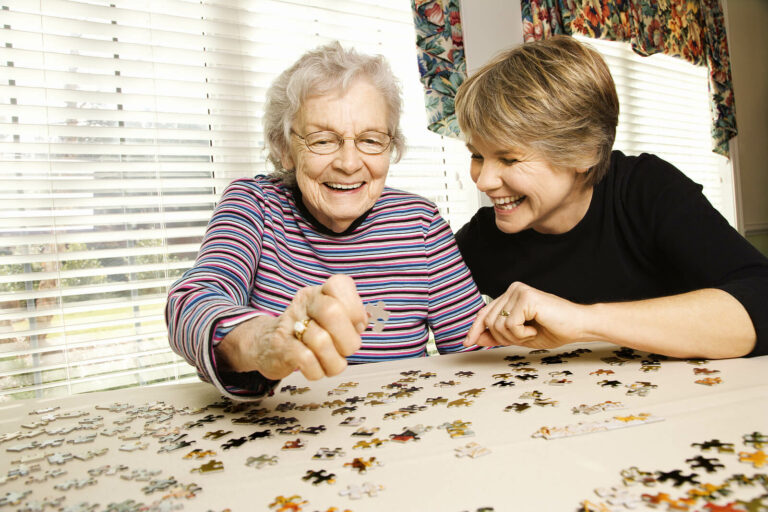
Understanding and supporting the daily routines of older adults is becoming increasingly important as families, caregivers, and healthcare providers look for ways to improve quality of life and safety. Elderly habit analytics refers to the use of technology and data-driven tools to monitor, track, and analyze the everyday activities and behaviors of seniors. These solutions can help identify changes in habits, detect early warning signs of health issues, and promote independence for aging individuals.
With the growing number of seniors choosing to age in place or in assisted living communities, the need for accessible, user-friendly analytics tools is more relevant than ever. From smartwatches and sensors to mobile apps and cloud-based dashboards, the landscape of habit tracking is rapidly evolving. For those seeking additional ways to empower seniors with technology, exploring voice controlled tablets can also provide hands-free convenience and enhanced communication.
What Are Elderly Habit Analytics Tools?
At their core, elderly habit analytics solutions are designed to collect and interpret data about an individual’s daily patterns. This can include sleep cycles, medication adherence, physical activity, meal times, bathroom visits, and even social interactions. By gathering this information, caregivers and family members can better understand what is normal for their loved one and quickly spot deviations that may indicate a problem.
These tools range from simple paper-based trackers to sophisticated digital platforms. The most advanced systems use a combination of wearable devices, in-home sensors, and artificial intelligence to provide real-time insights and alerts. For example, a smartwatch might track steps and sleep, while motion sensors in the home can detect movement patterns or falls. All this data is then analyzed to create a comprehensive picture of the senior’s habits and routines.
Key Benefits of Habit Monitoring for Seniors
There are several compelling reasons to adopt habit analytics for older adults:
- Early Detection of Health Issues: Sudden changes in activity or sleep may signal the onset of illness, depression, or cognitive decline.
- Enhanced Safety: Monitoring movement can help identify falls or wandering, which are common risks for those with dementia or mobility challenges.
- Medication Management: Reminders and tracking help ensure medications are taken as prescribed, reducing the risk of missed doses or overdoses.
- Promoting Independence: By providing gentle oversight, these tools allow seniors to maintain autonomy while offering peace of mind to families.
- Personalized Care: Data-driven insights enable caregivers to tailor routines and interventions to the specific needs of the individual.
Types of Elderly Habit Analytics Solutions
The market offers a variety of habit tracking options, each with its own strengths and ideal use cases. Some of the most popular categories include:
Wearable Devices
Smartwatches and fitness bands are among the most accessible tools for tracking daily activity, heart rate, sleep, and even location. Many models are designed specifically for seniors, featuring large displays, simple interfaces, and emergency alert functions. For those interested in wearable technology, consider exploring options like the WHOOP Life Smart Watch for Seniors, which combines habit tracking with health monitoring.
In-Home Sensors
Discrete sensors can be placed throughout the home to monitor movement, door openings, appliance use, and more. These systems are especially useful for seniors with memory issues, as they do not require the user to wear or interact with a device. Data from these sensors can be sent to caregivers in real time, providing alerts if unusual patterns are detected.
Mobile Apps and Digital Trackers
For tech-savvy seniors and caregivers, mobile apps offer flexible and customizable ways to log habits, set reminders, and visualize trends. Some apps are designed to work with wearables or sensors, while others function independently. They often include features like medication reminders, hydration tracking, and daily checklists.
Choosing the Right Habit Analytics Platform
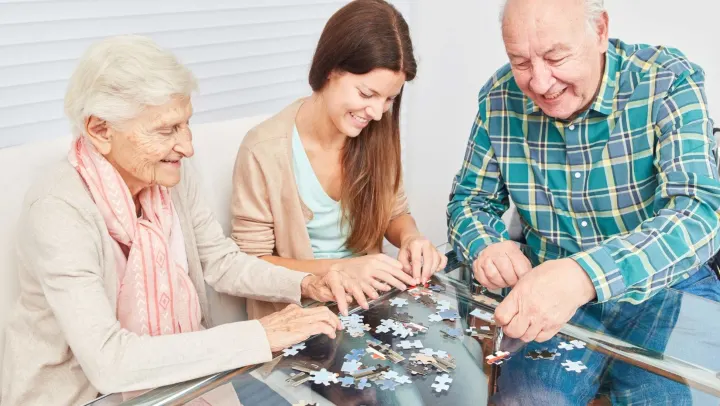
When selecting a solution, it’s important to consider the unique needs and preferences of the senior. Here are some factors to keep in mind:
- Ease of Use: Devices and apps should have intuitive interfaces, large buttons, and clear instructions.
- Privacy and Security: Ensure that data is encrypted and only accessible to authorized individuals.
- Integration: Some platforms can sync with other health devices or share data with healthcare providers.
- Alerts and Notifications: Look for systems that provide timely alerts to caregivers in case of emergencies or unusual patterns.
- Cost: Consider both upfront and ongoing subscription fees, as well as the need for additional hardware.
For those just starting out, simple solutions like habit trackers designed for dementia caregivers can be a good entry point. As comfort with technology grows, more advanced platforms can be introduced.
Integrating Analytics with Other Senior Tech
Habit tracking tools are most effective when combined with other supportive technologies. For instance, pairing analytics platforms with easy to use smartphones for seniors or easy tablets for beginners can streamline communication and make it easier for seniors to engage with their care networks. Many modern devices are designed to work together, creating a seamless ecosystem that supports independence and safety.
Challenges and Considerations in Habit Tracking
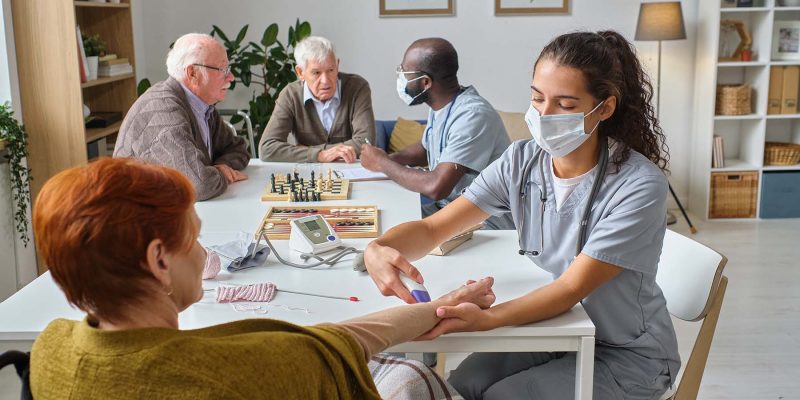
While the advantages of elderly habit analytics are clear, there are also challenges to address. Some seniors may be hesitant to adopt new technology or may have physical or cognitive limitations that make certain devices difficult to use. Privacy concerns are also important, as continuous monitoring can feel intrusive if not handled sensitively.
It’s essential to involve seniors in the decision-making process, respect their preferences, and provide training or support as needed. Starting with simple, non-intrusive tools and gradually introducing more advanced features can help build confidence and acceptance.
Future Trends in Senior Habit Analytics
The future of habit analytics for older adults is promising. Advances in artificial intelligence, machine learning, and sensor technology are making it possible to detect subtle changes in behavior that might otherwise go unnoticed. Predictive analytics could soon help prevent hospitalizations by alerting caregivers to risks before they become emergencies.
Integration with telehealth platforms, voice assistants, and smart home devices will further enhance the value of these tools. As the technology matures, expect to see more personalized and proactive care options that adapt to the unique rhythms of each individual.
Frequently Asked Questions
How do habit analytics tools help caregivers and families?
These solutions provide real-time insights into daily routines, making it easier for caregivers and family members to spot changes that may indicate health issues or safety concerns. By tracking patterns, they can intervene early and tailor support to the senior’s needs.
Are these tools difficult for seniors to use?
Many modern devices are designed with older adults in mind, featuring large buttons, simple menus, and voice prompts. For those who prefer minimal interaction, in-home sensors can track habits without requiring the user to wear or operate a device.
What privacy protections are in place for habit tracking data?
Reputable platforms use encryption and secure data storage to protect sensitive information. Access is typically limited to authorized caregivers or family members. It’s important to review privacy policies and ensure that the senior is comfortable with the level of monitoring involved.
For those seeking to further enhance safety and independence, exploring phones with emergency SOS button or best phones for elderly parents can provide additional layers of support alongside analytics tools.
By leveraging the right combination of technology and compassionate care, families and professionals can help seniors live healthier, safer, and more independent lives.