

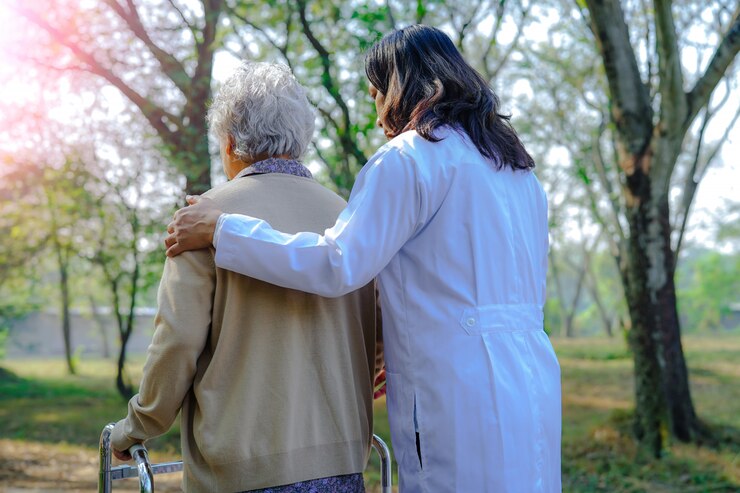
Creating a safe living environment for older adults is essential for their health, independence, and peace of mind. Elderly home risk management involves identifying potential dangers in the home and taking proactive steps to reduce or eliminate them. This guide covers practical strategies for recognizing and addressing common hazards, ensuring that seniors can enjoy their homes with greater confidence and security.
As people age, mobility, vision, and reflexes often change, making everyday spaces riskier than before. Falls, burns, and accidental poisoning are among the leading causes of injury for seniors at home. By understanding the most frequent threats and implementing effective solutions, families and caregivers can significantly reduce the likelihood of accidents.
For those interested in how technology can further support senior safety, real time home monitoring for seniors offers valuable insights into the latest monitoring solutions and their benefits.
Why Proactive Home Safety Matters for Seniors
Older adults are more vulnerable to injuries at home due to physical changes, chronic conditions, and sometimes cognitive decline. According to recent studies, falls are the leading cause of injury-related hospitalizations among seniors. Many of these incidents are preventable with proper risk management for elderly homes.
Addressing hazards not only prevents accidents but also supports independent living and reduces the emotional and financial burden on families. By making thoughtful adjustments, you can help seniors maintain their dignity and autonomy while minimizing risks.
Common Hazards in Senior Living Spaces
Understanding the most frequent dangers is the first step in effective elderly home risk management. Here are some of the most common hazards found in homes:
- Tripping and Falling Hazards: Loose rugs, cluttered walkways, and uneven flooring can all cause falls.
- Poor Lighting: Dim or inadequate lighting increases the risk of accidents, especially on stairs and in hallways.
- Bathroom Risks: Slippery surfaces, lack of grab bars, and hard-to-reach items can lead to slips and injuries.
- Fire and Burn Dangers: Unattended stoves, faulty wiring, and space heaters are common sources of burns and fires.
- Medication Errors: Confusing pill organizers or unclear instructions can result in missed doses or overdoses.
- Security Threats: Unlocked doors and windows or lack of emergency communication can leave seniors vulnerable.
Steps to Identify and Assess Home Risks
Conducting a thorough assessment is crucial for effective elderly home risk management. Here’s how to systematically spot potential dangers:
- Walk Through Each Room: Examine all living spaces from the perspective of someone with limited mobility or vision.
- Check Lighting: Ensure all areas are well-lit, especially entrances, stairways, and bathrooms.
- Test Flooring: Look for loose carpets, slippery tiles, or uneven thresholds that could cause trips.
- Inspect Bathrooms: Identify places where water may pool and check for sturdy grab bars near toilets and showers.
- Review Kitchen Safety: Make sure appliances are in good working order and that fire extinguishers are accessible.
- Evaluate Medication Storage: Confirm that medicines are clearly labeled and stored safely out of reach of children or pets.
- Assess Emergency Preparedness: Check that phones, alarms, and emergency contacts are easy to access.
Effective Solutions for a Safer Home
Once hazards have been identified, the next step is to implement practical solutions. Here are proven ways to enhance safety for seniors:
- Install Grab Bars and Handrails: Place them in bathrooms, hallways, and staircases to provide extra support.
- Use Non-Slip Mats: Add these to bathtubs, showers, and kitchen floors to prevent slips.
- Improve Lighting: Replace dim bulbs with brighter, energy-efficient options and add nightlights where needed.
- Declutter Walkways: Keep floors clear of cords, shoes, and other trip hazards.
- Upgrade Security: Install locks, peepholes, and easy-to-use emergency alert systems.
- Organize Medications: Use pill organizers and set reminders to avoid missed or double doses.
- Leverage Technology: Devices like bed alarms and wireless motion sensors can alert caregivers to movement and potential falls. For more on this, explore future smart homes for seniors for the latest tech solutions.
How Technology Supports Elderly Home Risk Management
Modern technology offers valuable tools to enhance safety and independence for older adults. Smart sensors, alarms, and monitoring devices can detect unusual activity, alert caregivers, and even provide real-time updates. These innovations are especially helpful for seniors who live alone or have limited mobility.
For example, bed alarms can notify family members if a loved one gets up during the night, reducing the risk of falls. Wireless motion alarms can monitor movement in key areas, providing peace of mind for both seniors and caregivers. To learn more about the impact of monitoring on senior health, check out senior health insights from monitoring data.
Best Practices for Ongoing Home Safety
Maintaining a safe environment is not a one-time task. Regular reviews and updates are essential for effective elderly home risk management. Here are some best practices:
- Schedule Routine Safety Checks: Inspect the home every few months to identify new hazards.
- Stay Informed About Health Changes: Adjust safety measures as mobility, vision, or cognitive abilities change.
- Involve Seniors in Decisions: Encourage older adults to participate in safety planning to respect their preferences and routines.
- Educate Family and Caregivers: Make sure everyone understands how to use safety devices and respond to emergencies.
- Consult Professionals: Occupational therapists or home safety experts can provide personalized recommendations. For more research-backed guidance, see this comprehensive review on home safety for older adults.
FAQ: Home Safety and Risk Management for Seniors
What are the most important areas to focus on when making a home safer for seniors?
The most critical areas include bathrooms, stairways, kitchens, and entryways. These spaces often present the highest risk of falls, burns, or other injuries. Ensuring good lighting, installing grab bars, and removing tripping hazards are key steps.
How can technology help prevent accidents in elderly homes?
Devices such as bed alarms, motion sensors, and emergency call systems can alert caregivers to unusual activity or emergencies. These tools provide real-time monitoring and can significantly reduce response times if an incident occurs.
How often should a home safety assessment be performed?
It’s best to review home safety every three to six months, or whenever there are significant changes in health or mobility. Regular checks help catch new risks and keep the environment as safe as possible.
Conclusion
Managing risks in senior living environments is an ongoing process that requires attention, planning, and the right tools. By identifying hazards, making targeted improvements, and leveraging technology, families and caregivers can create a safer, more comfortable home for their loved ones. For those interested in exploring more advanced solutions, next generation elder care technology offers a look at the latest breakthroughs in senior care.