

Choosing the right seating for older adults is about more than just comfort—it’s about safety, health, and independence. As we age, our bodies change, and so do our needs for support and accessibility in everyday furniture. Ergonomic design tips for elderly chairs can make a significant difference in daily life, helping to reduce discomfort, prevent falls, and promote better posture. This guide explores practical recommendations for selecting and optimizing chairs for seniors, focusing on essential features, supportive materials, and adaptive technologies.
Whether you’re caring for a loved one, outfitting a senior living space, or simply planning ahead, understanding what makes a chair truly supportive is crucial. We’ll cover everything from seat height and cushioning to armrest design and mobility aids. If you’re interested in other senior-friendly technology, you might also find our article on voice controlled tablets helpful for creating a more accessible home environment.
Why Ergonomics Matter in Senior Seating
Ergonomics is the science of designing products to fit the people who use them. For older adults, the right chair can help maintain independence, reduce the risk of injury, and support overall well-being. Poorly designed seating can lead to discomfort, joint pain, and even accidents. By following ergonomic design tips for elderly chairs, you can ensure that daily activities like sitting, standing, and relaxing are safer and more comfortable.
Some of the most common issues seniors face with standard chairs include:
- Difficulty standing up or sitting down due to low seat height
- Lack of lumbar or neck support, leading to back and neck pain
- Slippery or unstable surfaces that increase the risk of falls
- Armrests that are too high, too low, or missing altogether
Key Features of Supportive Chairs for Seniors
When evaluating seating options, look for these essential elements to maximize comfort and safety:
Optimal Seat Height and Depth
The ideal seat height allows the user’s feet to rest flat on the floor with knees at a 90-degree angle. Too low, and it’s hard to stand up; too high, and legs may dangle, causing circulation issues. Seat depth should support the thighs without pressing against the back of the knees.
Proper Cushioning and Materials
Chairs for seniors should have firm yet comfortable padding. Memory foam or high-density polyurethane cushions provide support while reducing pressure points. Removable and washable covers are a plus for hygiene and maintenance.

Supportive Armrests and Backrests
Armrests provide stability when sitting or standing. They should be sturdy, well-padded, and at a height that allows the user to push up easily. A contoured backrest with lumbar support helps maintain proper posture and reduces strain on the lower back.
Stable Base and Non-Slip Feet
Look for chairs with a wide, stable base and non-slip feet or glides. This minimizes the risk of tipping and ensures the chair stays in place during use. Avoid chairs with wheels unless they have locking mechanisms and are specifically designed for mobility assistance.
Specialized Seating Solutions for Seniors
Some seniors may benefit from specialized chairs that offer additional features for comfort and mobility. Here are a few options to consider:
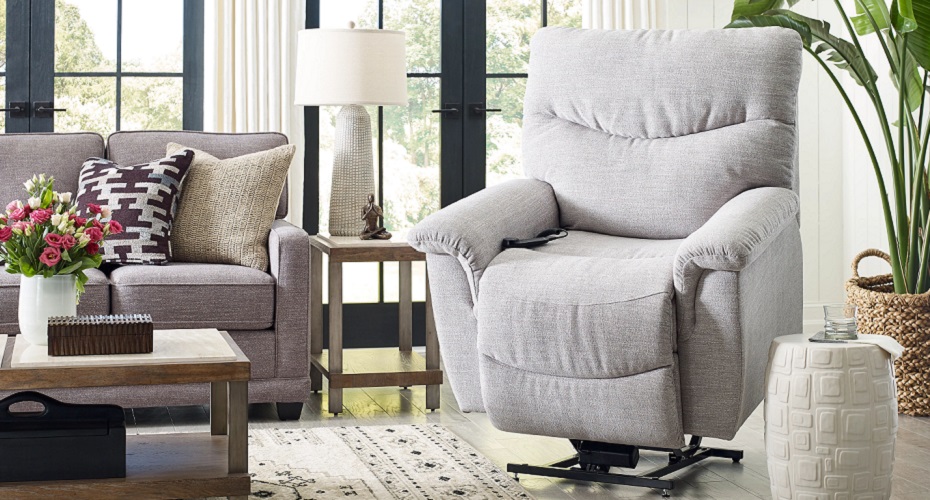
- Lift chairs: These motorized recliners gently raise the user to a standing position, reducing strain on joints and muscles. For more details on the advantages of these chairs, see this guide to lift chair recliners and their benefits.
- Recliners with adjustable positions: Multi-position recliners allow users to find the most comfortable angle for reading, napping, or watching TV.
- Chairs with built-in support: Some models include headrests, footrests, and side pockets for added convenience.

Practical Adjustments for Home Seating
Not every home needs new furniture. Sometimes, simple modifications can make existing chairs more suitable for older adults. Here are some practical adjustments:
- Add seat cushions to raise the height or improve comfort.
- Install armrest covers for better grip and stability.
- Use non-slip pads or rubber feet to prevent sliding on smooth floors.
- Place chairs near sturdy surfaces like tables or countertops for extra support when standing.
For those seeking more accessible technology, our article on easy to use smartphones for seniors offers additional insights into making daily life simpler and safer.
Choosing the Right Chair for Individual Needs
Every person is unique, so it’s important to consider individual health conditions, mobility levels, and preferences. Here are some questions to guide your selection:
- Does the user have arthritis, back pain, or limited mobility?
- Will the chair be used for long periods or just occasional sitting?
- Is ease of cleaning and maintenance a priority?
- Are additional features like cup holders, USB charging, or side pockets helpful?
Testing chairs in person, if possible, can help ensure the right fit. Look for models with adjustable features and trial periods or return policies.
Maintaining and Caring for Senior-Friendly Chairs
Once you’ve selected the right seating, regular maintenance is key to keeping it safe and comfortable. Here are some care tips:
- Check for loose screws, bolts, or hardware and tighten as needed.
- Clean upholstery regularly with appropriate products to prevent stains and odors.
- Inspect non-slip feet or pads for wear and replace when necessary.
- Test any mechanical or electrical features (like lift mechanisms) to ensure proper function.
Frequently Asked Questions
What is the ideal seat height for a senior’s chair?
The best seat height allows the user’s feet to rest flat on the floor, with knees bent at a 90-degree angle. For most adults, this is between 17 and 19 inches from the floor to the top of the seat. Adjustments may be needed for taller or shorter individuals.
Are lift chairs worth the investment for older adults?
Lift chairs can be extremely helpful for seniors with mobility challenges, arthritis, or balance issues. They make it easier to stand up and sit down safely, reducing the risk of falls and promoting independence. For more information, see the benefits of lift chair recliners.
How can I make an existing chair more suitable for an elderly person?
Simple modifications like adding a firm seat cushion, installing non-slip pads, or using armrest covers can improve comfort and safety. Ensure the chair is stable and positioned near supportive surfaces to assist with standing and sitting.
Conclusion
Investing in well-designed seating is an important step toward a safer and more comfortable living environment for seniors. By following these ergonomic design tips for elderly chairs, you can help prevent discomfort, reduce the risk of injury, and support independence at home. Remember to consider individual needs, test different options, and maintain your furniture regularly for the best results.