

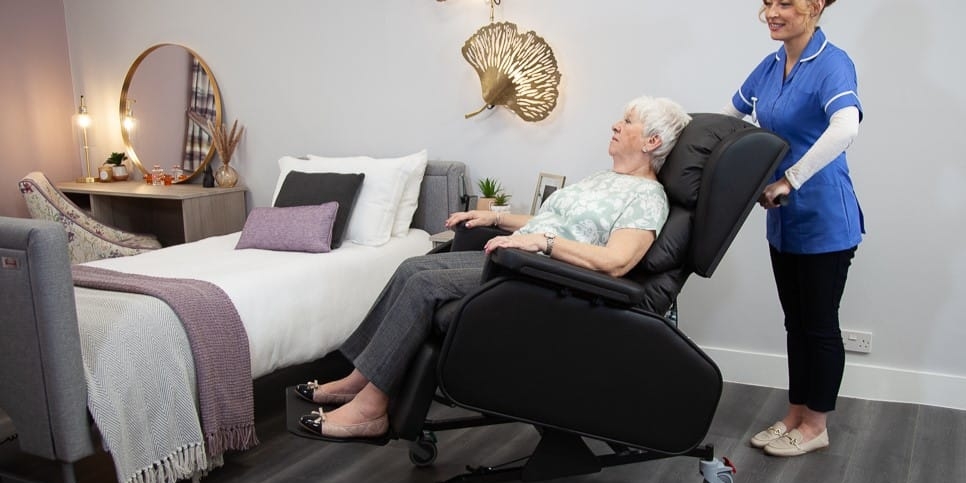
Recovering from surgery at home often means finding ways to stay comfortable, supported, and safe. For many, a recliner can be a practical solution, offering adjustable positioning, ease of use, and relief from pressure points. Knowing how to set up a recliner for post-op recovery can make a significant difference in comfort and healing, especially for seniors or anyone with limited mobility.
This guide explains the essential steps and considerations for preparing a recliner as a recovery station. You’ll learn about placement, safety, accessories, and daily use tips to ensure a smooth and restful recuperation. If you’re also interested in other helpful devices for seniors, such as voice controlled tablets, there are many ways to support independence and comfort during recovery.
Why a Recliner Is Ideal for Post-Surgery Recovery
After an operation, comfort and accessibility are crucial. A well-chosen recliner provides:
- Adjustable support for legs, back, and head, reducing strain on healing areas.
- Easy transitions between sitting and standing, minimizing the risk of falls.
- Pressure relief, which helps prevent bedsores and improves circulation.
- Space for medical equipment or personal items within arm’s reach.
For elderly individuals or those with mobility challenges, a recliner can be safer and more comfortable than a traditional bed or sofa. According to this overview of recliner benefits for seniors, these chairs can also help with circulation and reduce swelling, which is especially important after surgery.
Choosing the Right Recliner for Recovery
Not all recliners are created equal, especially when it comes to post-operative needs. Here are some features to consider:
- Power lift function for those who need help standing up.
- Wide, stable base to prevent tipping.
- Easy-to-clean upholstery, as spills or accidents may occur.
- Remote control or manual lever within easy reach.
- Firm, supportive cushioning to avoid sinking too deeply.
When selecting a chair, think about the user’s height, weight, and specific surgical restrictions. Some may require a recliner that allows for nearly flat positioning, while others may need a chair that supports the legs above heart level to reduce swelling.

Preparing the Space for Safe and Easy Use
Setting up the recovery area is as important as choosing the right chair. Follow these steps to ensure safety and convenience:
- Clear the area around the recliner so there are no tripping hazards like rugs, cords, or clutter.
- Place the chair near a power outlet if it’s electric, but ensure the cord is tucked safely away from walkways.
- Position the recliner so the person can easily reach a table or shelf for water, medications, phone, and remote controls.
- Ensure there’s enough space behind and in front of the chair for full reclining and easy standing.
- If possible, set up the chair in a well-lit area to reduce the risk of falls, especially at night.
For those who need frequent assistance, placing the recliner near a bathroom or within earshot of caregivers can also be helpful.
Essential Accessories for Post-Op Recliner Setup
Enhance comfort and safety with these useful add-ons:
- Supportive pillows for the back, neck, or arms to maintain proper alignment.
- Lap trays or over-chair tables for meals, reading, or using easy tablets for beginners.
- Non-slip mats or rugs under the chair to prevent sliding.
- Bedside commode or urinal if bathroom trips are difficult.
- Blankets or throws for warmth, but avoid anything that could tangle feet when standing.
Keep a small basket or organizer nearby for essentials like tissues, books, or glasses. This reduces the need to get up frequently, supporting both comfort and safety during recovery.

Daily Use and Maintenance Tips for Recovery Recliners
Once the chair is set up, a few daily habits will help maintain comfort and hygiene:
- Wipe down surfaces regularly, especially if eating or drinking in the chair.
- Check the mechanism (manual or electric) each day to ensure smooth operation.
- Encourage gentle movement or repositioning every couple of hours to prevent stiffness and pressure sores.
- Remind users to keep feet flat on the floor when standing up to avoid slips.
- Inspect for loose screws or worn fabric, and address any issues promptly.
For those who spend extended periods in the recliner, consider alternating between sitting upright and reclining to promote circulation and prevent discomfort.
Supporting Independence and Safety During Recovery
Setting up a recliner for post-surgery healing is about more than just comfort—it’s about fostering independence and reducing the risk of complications. With the right setup, many people can manage daily activities like reading, eating, or using easy to use smartphones for seniors from the comfort of their chair. Family members and caregivers should check in regularly to ensure the setup remains safe and meets changing needs as recovery progresses.
Frequently Asked Questions
What is the best position for a recliner after surgery?
The ideal position depends on the type of surgery. Generally, keeping the back supported and legs slightly elevated helps reduce swelling and discomfort. For some surgeries, such as hip or knee replacements, a nearly flat position may be recommended, while for others, a semi-reclined posture is best. Always follow your healthcare provider’s advice for positioning.
How do I make it easier to get in and out of a recliner after an operation?
Choose a recliner with a power lift feature or sturdy armrests. Place the chair on a non-slip surface and ensure there’s enough space around it for easy movement. If needed, use a gait belt or ask for assistance when standing up. Keeping the chair at a height where feet are flat on the floor also helps with safe transfers.
Can I sleep in a recliner during recovery?
Many people find sleeping in a recliner more comfortable after certain surgeries, especially if lying flat is painful or not recommended. Make sure the chair provides adequate support for your back and neck. Use pillows as needed, and check with your doctor to ensure it’s safe for your specific recovery needs.
Conclusion
Preparing a recliner for post-operative healing involves careful selection, thoughtful placement, and the right accessories. By following these steps, you can create a safe, supportive environment that promotes comfort and independence during recovery. Remember to consult your healthcare provider for any specific positioning or mobility recommendations, and adjust your setup as needs change. With a little planning, a recliner can become a valuable part of the healing process at home.