

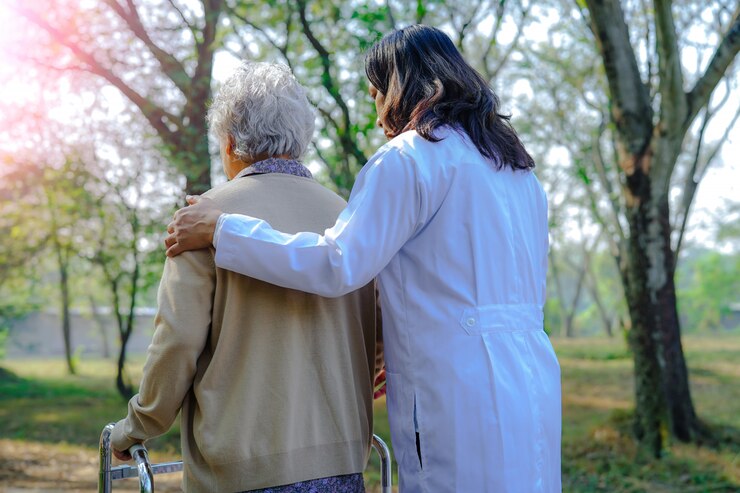
Falls are a leading cause of injury among older adults, often resulting in serious health complications and reduced independence. As the population ages, the need for effective solutions to detect and respond to falls becomes increasingly urgent. Fall detection technology for seniors has emerged as a crucial tool in supporting safety, peace of mind, and rapid emergency response for both seniors and their caregivers.
This guide explores how modern fall detection systems work, the types of devices available, and how to choose the right solution for your loved one. For those interested in broader monitoring and support, resources like senior health insights from monitoring data can provide additional context on how technology is transforming elder care.
Understanding the Importance of Fall Detection Devices
According to the CDC, one in four Americans aged 65+ falls each year. Many falls go unreported, and the consequences can be severe—ranging from fractures to long-term hospitalization. Fall detection technology for seniors aims to bridge the gap between an incident and timely assistance, even when the individual is unable to call for help themselves.
These devices are especially valuable for seniors living alone or those with medical conditions that increase fall risk. By automatically alerting caregivers or emergency services, fall detection systems can significantly reduce the time it takes to receive help, potentially saving lives and minimizing complications.
How Fall Detection Technology Works
At its core, fall detection relies on a combination of sensors, algorithms, and connectivity. Most systems use accelerometers and gyroscopes to monitor movement and orientation. When a sudden change in motion or position is detected—such as a rapid descent followed by immobility—the device interprets this as a possible fall.
Advanced models may also use machine learning to distinguish between normal activities and dangerous incidents, reducing false alarms. Once a fall is detected, the device can automatically send alerts to pre-set contacts or emergency response centers, often via cellular or Wi-Fi networks.
For those interested in how these systems integrate with broader smart home solutions, the article on future smart homes for seniors offers insights into the next generation of connected care.
Types of Fall Detection Solutions for Older Adults
There is a wide range of fall detection products designed to suit different lifestyles and needs. Here are the most common categories:
- Wearable Devices: These include pendants, wristbands, and smartwatches equipped with fall detection sensors. Wearables are popular for their portability and ease of use.
- Bed and Chair Alarms: These systems monitor movement in and out of beds or chairs, alerting caregivers if a senior attempts to stand or falls unexpectedly.
- Motion Sensors: Installed in rooms or hallways, these devices track movement patterns and can detect unusual inactivity that may indicate a fall.
- Smart Home Integrations: Some fall detection solutions work with home automation platforms, providing seamless monitoring and alerts throughout the living space.
Choosing the right type depends on the senior’s mobility, cognitive abilities, and daily routines. For those seeking more information on assistive gadgets, smart assistance for elderly independence highlights helpful technologies that promote autonomy.

Key Features to Look for in Fall Detection Devices
Not all fall detection systems are created equal. When evaluating options, consider the following features to ensure reliable performance and ease of use:
- Automatic Detection: The device should trigger alerts without requiring the user to press a button, as many falls leave seniors unable to call for help.
- 24/7 Monitoring: Continuous operation is essential, especially for those living alone or at high risk.
- Reliable Connectivity: Devices should offer cellular, Wi-Fi, or landline options to ensure alerts reach caregivers or emergency services promptly.
- Long Battery Life: Frequent charging can be a hassle; look for devices with extended battery performance or easy charging solutions.
- Water Resistance: Many falls occur in the bathroom, so water-resistant devices are highly recommended.
- False Alarm Reduction: Advanced algorithms help minimize unnecessary alerts, reducing caregiver fatigue and anxiety.
For a deeper dive into how daily activity monitoring can enhance safety, see monitoring daily living activities.
Benefits of Using Fall Detection Technology
The advantages of implementing fall detection solutions extend beyond immediate safety. Here are some of the most significant benefits:
- Faster Emergency Response: Automatic alerts enable quicker intervention, which can be critical in reducing complications from injuries.
- Peace of Mind: Both seniors and their families gain confidence knowing that help is always within reach.
- Increased Independence: Seniors can maintain their autonomy longer, with less need for constant supervision.
- Reduced Healthcare Costs: Early intervention often leads to better outcomes and fewer hospitalizations.
- Data Insights: Some systems provide reports on activity patterns, which can help caregivers and healthcare providers adjust care plans as needed.
Recent research, such as this study on wearable fall detection devices, highlights the growing effectiveness of these technologies in real-world settings.
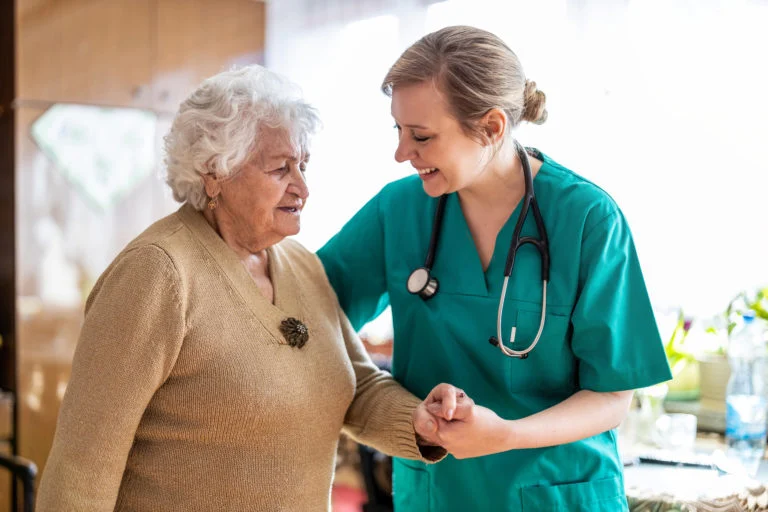
Choosing the Right Fall Detection Solution
Selecting the best system involves balancing features, comfort, and budget. Here are some practical tips:
- Assess the senior’s daily routine and risk factors. For those who are active, a wearable may be ideal. For those who spend more time in bed or seated, bed and chair alarms might be more suitable.
- Consider ease of use. Devices should be simple to operate, with clear instructions and minimal maintenance.
- Check compatibility with existing home technology, especially if you’re interested in integrating with smart home systems.
- Read reviews and consult healthcare professionals for recommendations tailored to your situation.
- Look for trial periods or satisfaction guarantees to test the device in real-life conditions.
For those interested in the latest innovations, next generation elder care technology explores breakthroughs that are shaping the future of aging in place.
Integrating Fall Detection with Broader Care Strategies
While fall detection is a critical component of senior safety, it works best as part of a comprehensive care plan. Combining these systems with regular health monitoring, medication management, and social engagement can further enhance quality of life.
Families and caregivers should also consider environmental modifications, such as removing tripping hazards, improving lighting, and installing grab bars in high-risk areas. Technology is a powerful ally, but human support and proactive planning remain essential.
Frequently Asked Questions
How accurate are fall detection devices for seniors?
Modern fall detection systems use sophisticated sensors and algorithms to distinguish between real falls and normal activities. While no device is perfect, accuracy has improved significantly, especially in wearables and smart home integrations. Choosing a reputable product and following usage guidelines can help minimize false alarms.
Can fall detection technology alert family members as well as emergency services?
Yes, most fall detection solutions allow users to customize alert settings. You can typically program the device to notify family, caregivers, or a professional monitoring center, depending on your preferences and needs.
Is fall detection technology suitable for seniors with dementia?
Many fall detection devices are designed to operate automatically, making them suitable for individuals with cognitive impairments. However, it’s important to select a device that is comfortable, unobtrusive, and requires minimal interaction. Consulting with healthcare professionals can help identify the best option for those with dementia.
Conclusion
Fall detection technology for seniors is a vital resource for promoting safety, independence, and peace of mind. By understanding the available options and integrating them into a holistic care strategy, families can better protect their loved ones and respond quickly in emergencies. As technology continues to evolve, these systems will play an even greater role in supporting healthy aging and quality of life.