


Choosing the right recliner can make a significant difference in daily comfort, especially for seniors. One of the most important factors is seat width, which directly impacts support, ease of use, and overall satisfaction. This guide to recliner seat width for comfort will help you understand what to look for, how to measure, and which features matter most for seniors seeking a perfect fit.
With so many options available, it’s easy to feel overwhelmed. The right seat width not only ensures proper posture but also makes getting in and out of the chair safer and more comfortable. We’ll break down the essentials, from standard dimensions to tips for measuring at home, so you can make an informed decision for yourself or a loved one.
For those interested in other senior-friendly technology, you might also want to explore voice controlled tablets that offer hands-free convenience and accessibility.
Why Recliner Seat Width Matters for Senior Comfort
Seat width is more than just a measurement—it’s a key factor in providing comfort and support for seniors. A chair that’s too narrow can cause pressure points and restrict movement, while one that’s too wide may lack the necessary support for the back and hips. The correct width helps maintain proper posture, reduces the risk of falls, and makes it easier to stand up from a seated position.
For seniors with mobility challenges or specific health needs, such as arthritis or joint pain, the right seat width can make everyday life much easier. It also ensures that armrests are within easy reach, which is crucial for stability when sitting down or standing up.
Understanding Standard Recliner Seat Widths
Most recliners fall into three main categories based on seat width:
- Narrow (18–20 inches): Suitable for petite users or smaller spaces. These are often found in compact or slimline recliners.
- Standard (20–24 inches): The most common size, offering a balance of comfort and support for average-sized adults.
- Wide (24–30+ inches): Designed for larger individuals or those who prefer extra room. These are sometimes called oversized or “big and tall” recliners.
When considering a guide to recliner seat width for comfort, it’s important to remember that personal preference, body shape, and mobility needs all play a role in determining the ideal size.
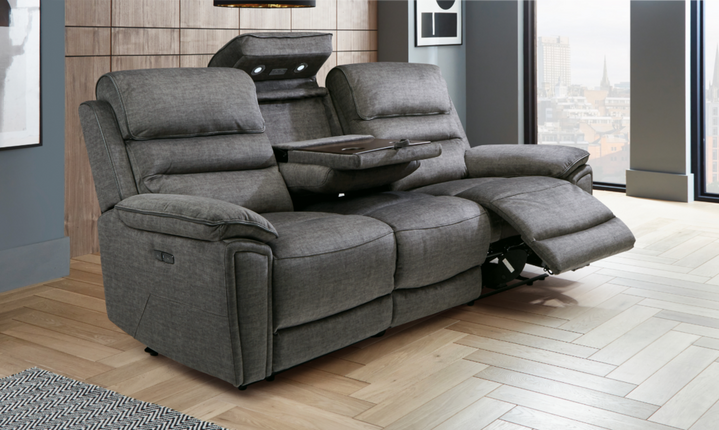
How to Measure for the Right Recliner Seat Width
Finding the best fit starts with accurate measurements. Here’s a simple process:
- Measure Hip Width: Sit on a firm chair and measure the distance across the widest part of your hips or thighs.
- Add Extra Space: Add 1–2 inches to your measurement for comfort and ease of movement.
- Check Armrest Placement: Ensure the armrests are close enough to provide support but not so tight that they restrict movement.
- Test in Store: If possible, sit in several recliners to see what feels best. Pay attention to how easily you can get in and out of the chair.
Remember, the right width should allow you to sit comfortably without feeling squeezed or unsupported. For those who shop online, check the product’s specifications and compare them to your measurements.
Key Features That Enhance Recliner Comfort for Seniors
Beyond seat width, several features can further improve comfort and usability:
- Adjustable Recline: Look for models with multiple positions or infinite recline for personalized support.
- Lift Assist: Lift chairs help users stand up safely and are especially beneficial for those with limited mobility. Learn more about the benefits of lift chair recliners for comfort, mobility, and independence.
- Supportive Cushions: High-density foam or memory foam cushions provide better pressure relief and durability.
- Easy-to-Clean Fabrics: Choose materials that are simple to maintain, especially if spills or accidents are a concern.
- Accessible Controls: Large, easy-to-use buttons or remote controls make adjustments simpler for those with limited dexterity.

Tips for Choosing the Best Recliner for Senior Needs
When selecting a recliner, consider these practical tips to ensure the best fit and comfort:
- Prioritize Seat Width: Always check the seat width in the product description and compare it with your measurements.
- Test for Stability: The chair should feel sturdy and not wobble when you sit or stand.
- Check Return Policies: If buying online, make sure you can return or exchange the chair if it doesn’t fit as expected.
- Read Reviews: Look for feedback from other seniors regarding comfort, fit, and ease of use.
- Consider Room Size: Measure your space to ensure the recliner fits comfortably in your living area, especially when fully reclined.
For those interested in simplifying other aspects of daily life, consider exploring easy tablets for beginners that offer straightforward setup and large icons for better accessibility.
Common Mistakes to Avoid When Selecting Recliner Width
Even with the best intentions, it’s easy to overlook certain factors. Here are some common mistakes to avoid:
- Ignoring Personal Measurements: Don’t rely solely on “standard” sizes—always measure for a personalized fit.
- Overlooking Armrest Height: Armrests that are too high or low can cause discomfort or make standing up difficult.
- Choosing Based on Looks Alone: While style matters, comfort and support should always come first.
- Forgetting About Mobility Needs: If you use a walker or wheelchair, ensure the recliner is easy to access and exit.
Frequently Asked Questions
What is the ideal recliner seat width for most seniors?
For many seniors, a seat width between 20 and 24 inches provides a comfortable balance of support and space. However, individual needs vary, so measuring your hip width and adding a couple of inches is the best approach.
How do I know if a recliner is too wide or too narrow?
If your hips or thighs press against the armrests, the seat is likely too narrow. If you find yourself leaning or lacking support, it may be too wide. The right fit allows you to sit upright with both arms resting comfortably on the armrests.
Are there recliners specifically designed for seniors with mobility issues?
Yes, many recliners are designed with seniors in mind, featuring lift assist, easy-to-use controls, and supportive cushions. Lift chairs, in particular, are popular for those who need extra help standing up safely.
Conclusion
Finding the right recliner seat width is essential for senior comfort and safety. By understanding standard sizes, measuring correctly, and considering additional features, you can select a chair that enhances daily living. Whether you’re shopping for yourself or a loved one, use this guide to recliner seat width for comfort as a starting point for a more comfortable and supportive seating experience.