

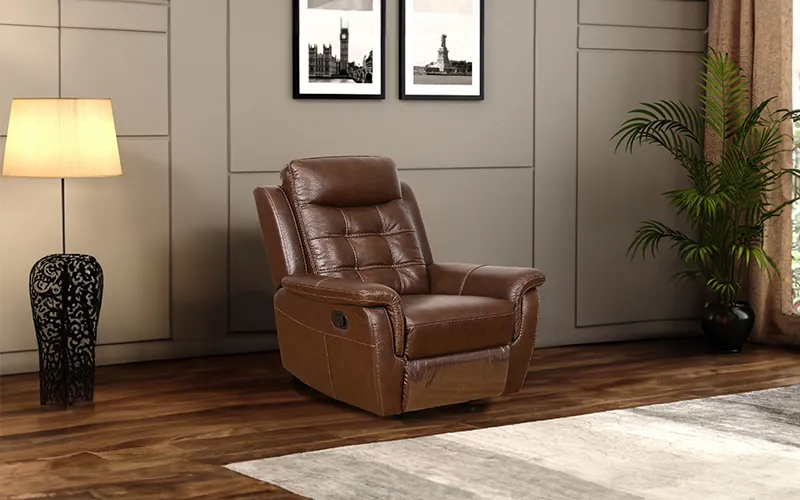
Finding the right recliner can make a significant difference for older adults dealing with sciatica. The right chair should provide comfort, support, and ease of use, helping to reduce pain and improve quality of life. With so many options available, it’s important to know what features to look for and how to prioritize safety and accessibility. This guide offers practical advice and essential considerations for selecting a recliner that best supports seniors with nerve pain and mobility challenges.
When searching for a recliner, it’s helpful to compare models and features, but also to consider the individual’s unique needs. For those interested in other supportive devices, such as voice controlled tablets or phones with emergency SOS buttons, exploring a range of accessible products can further enhance daily living.
Understanding Sciatica and Its Impact on Seniors
Sciatica is a condition characterized by pain radiating along the sciatic nerve, which runs from the lower back down through the legs. For seniors, this pain can be persistent and debilitating, often making it difficult to sit or stand comfortably. A well-designed recliner can help alleviate discomfort by providing ergonomic support and allowing for customized positioning.
Older adults with sciatica may experience:
- Sharp or burning pain in the lower back, hips, or legs
- Numbness or tingling sensations
- Muscle weakness that affects mobility
- Difficulty rising from seated positions
Given these challenges, selecting a recliner that addresses these symptoms is crucial for both comfort and safety.
Key Features to Look for in a Recliner for Sciatica Relief
When evaluating recliners for seniors with nerve pain, focus on features that promote proper posture, ease of use, and adjustability. Here are the most important aspects to consider:
1. Lumbar and Back Support
Proper lumbar support is essential for reducing pressure on the lower back and sciatic nerve. Look for recliners with built-in lumbar cushions or adjustable backrests. Some models offer memory foam or contoured padding that adapts to the user’s body shape, providing targeted relief where it’s needed most.
2. Adjustable Reclining Positions
The ability to change positions easily is vital for seniors with sciatica. Recliners with multiple reclining angles allow users to find the most comfortable posture, whether they need to elevate their legs, recline fully, or sit upright. Power recliners with remote controls can be especially helpful for those with limited strength or dexterity.
3. Lift and Assist Functions
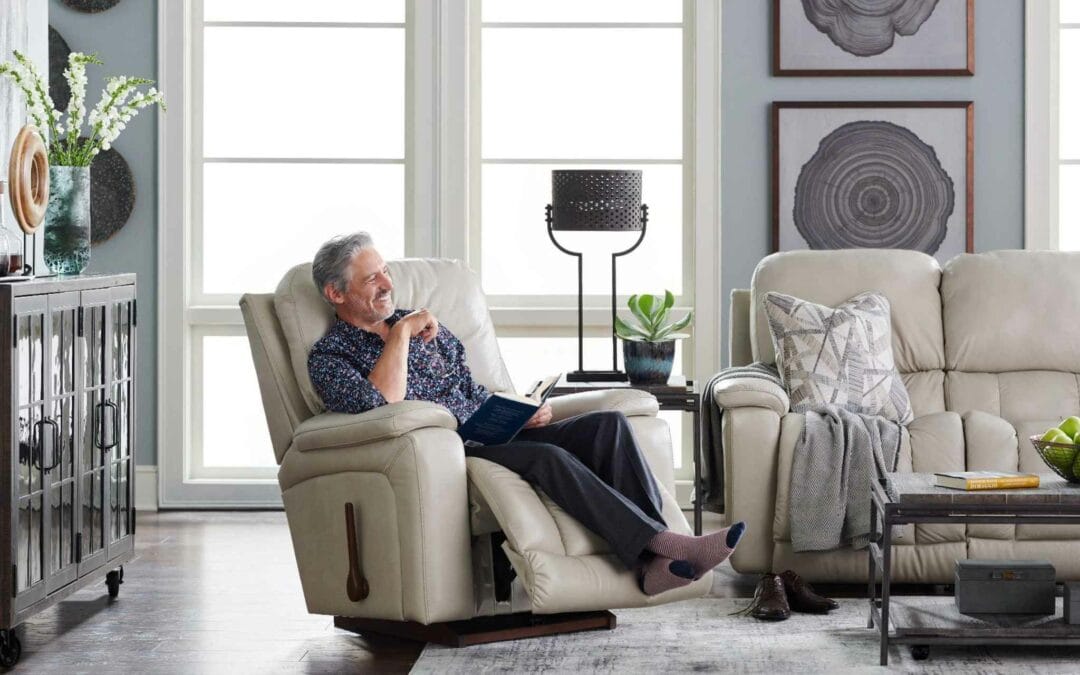
For seniors who struggle to stand up from a seated position, a lift chair can be a game changer. These recliners gently raise the user to a standing position, reducing strain on the back and legs. Lift chairs are especially beneficial for those with severe mobility limitations or balance issues.
For more information on the advantages of these chairs, see this comprehensive overview of lift chairs and recliners for seniors.
4. Supportive Armrests and Seat Height
Wide, padded armrests provide stability when sitting down or standing up. The seat height should allow the user’s feet to rest flat on the floor, with knees at a 90-degree angle. This positioning reduces pressure on the lower back and makes it easier to transition in and out of the chair.
5. Easy-to-Use Controls
Choose recliners with simple, intuitive controls. Large buttons, remote controls, or even voice-activated options can be helpful for seniors with arthritis or limited hand mobility. Some advanced models are compatible with easy tablets for beginners and smart home devices, offering even greater convenience.
Material, Padding, and Maintenance Considerations
The right upholstery and padding can enhance both comfort and durability. Here’s what to keep in mind:
- Breathable fabrics such as microfiber or cotton blends help regulate temperature and prevent overheating.
- Memory foam or high-density cushions offer long-lasting support and adapt to the user’s body.
- Easy-to-clean surfaces are ideal for seniors, as spills and stains are more likely to occur.
- Sturdy frames made from hardwood or reinforced steel ensure stability and longevity.
Some recliners also feature removable covers or antimicrobial treatments, making them easier to keep clean and hygienic.

Safety and Accessibility Tips for Seniors With Sciatica
Safety should always be a top priority when selecting furniture for older adults. Here are some practical recommendations to ensure a safe and accessible seating experience:
- Stable base: Choose a recliner with a wide, non-slip base to prevent tipping or sliding.
- No sharp edges: Rounded corners and smooth finishes reduce the risk of injury.
- Accessible controls: Ensure all buttons and levers are within easy reach and clearly labeled.
- Clear pathways: Position the chair in a location with plenty of space for walking aids or mobility devices.
- Check weight capacity: Make sure the recliner can safely support the user’s weight.
For those who rely on technology for safety, such as phones with emergency SOS button features, keeping these devices within arm’s reach while seated can provide extra peace of mind.
How to Test and Evaluate Recliners Before Buying
Whenever possible, test out recliners in person. Sit in the chair for several minutes, try different positions, and pay attention to how your back, hips, and legs feel. If shopping online, read reviews from other seniors with similar needs and look for detailed product descriptions that specify support features and adjustability.
Consider the following checklist when evaluating options:
- Does the chair provide adequate lumbar and back support?
- Are the controls easy to operate?
- Is the seat height appropriate for the user?
- Does the recliner move smoothly between positions?
- Are the materials comfortable and easy to clean?
- Is there a warranty or return policy?
Taking the time to compare different models and features ensures that you’ll find a recliner that truly meets the needs of a senior with sciatica.
Frequently Asked Questions
What type of recliner is best for seniors with sciatica?
The best recliners for seniors with nerve pain are those with strong lumbar support, multiple adjustable positions, and lift or assist features. Power recliners are often preferred for their ease of use and ability to help users stand up safely.
Are lift chairs worth the investment for older adults with mobility issues?
Yes, lift chairs can be extremely beneficial for seniors who have difficulty standing up from a seated position. They reduce strain on the back and legs, promote independence, and lower the risk of falls.
How can I ensure a recliner is safe for my elderly parent?
Look for a stable, sturdy base, easy-to-use controls, and appropriate seat height. Make sure the chair is placed in a safe location with clear pathways, and always check the weight capacity to ensure it’s suitable for the user.
What other products can help seniors maintain independence at home?
In addition to supportive seating, consider products like easy to use smartphones for seniors and tablets designed for beginners. These tools can help with communication, safety, and daily tasks.
Choosing the right recliner for a senior with sciatica involves careful consideration of comfort, support, and accessibility. By focusing on features that address pain and mobility challenges, you can help your loved one enjoy greater comfort and independence at home.