

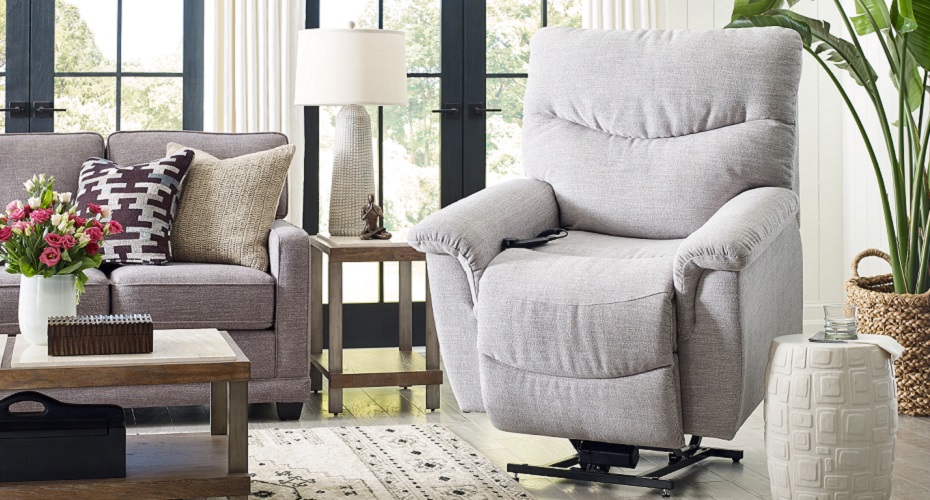
Maintaining healthy blood flow in the lower limbs is crucial, especially for seniors and individuals who spend extended periods sitting. Poor circulation can lead to discomfort, swelling, and even more serious health concerns like edema. Recliner chairs have become a popular solution for those seeking to improve leg circulation and manage swelling, offering both comfort and practical health benefits.
In this article, we’ll explore the science behind how these chairs support vascular health, the specific features that make them effective, and practical tips for choosing and using a recliner to maximize its benefits. If you’re interested in other aspects of recliner care, such as how to clean microfiber recliner chairs, you’ll find additional resources linked throughout this guide.
Understanding Leg Circulation and Swelling
Blood circulation in the legs relies on a network of veins and muscles that work together to return blood to the heart. When a person sits or stands for long periods, gravity can cause blood and fluids to pool in the lower extremities. This pooling may result in swelling, also known as edema, and can increase the risk of developing varicose veins or even blood clots.
For older adults, individuals with limited mobility, or those recovering from surgery, these issues are even more pronounced. That’s why finding ways to encourage healthy blood flow is so important.
How Reclining Chairs Support Healthy Blood Flow
One of the main ways reclining chairs help with circulation is by allowing users to elevate their legs above heart level. This position uses gravity to assist the return of blood from the legs back to the heart, reducing pressure in the veins and minimizing fluid buildup.
- Leg Elevation: Raising the legs helps veins work more efficiently, decreasing swelling and discomfort.
- Adjustable Positions: Many recliners offer multiple reclining angles, letting users find the most comfortable and beneficial position for their needs.
- Pressure Relief: Reclining distributes body weight more evenly, reducing pressure on the lower back and thighs, which can further support circulation.
For those interested in additional ergonomic benefits, learning about the importance of lumbar support in senior chairs can provide further insights into overall comfort and health.

Reducing Edema With Proper Recliner Use
Edema, or swelling caused by fluid retention, is a common problem for those with limited mobility or certain medical conditions. Recliners can be a valuable part of an edema management plan, especially when used consistently and correctly.
- Frequent Elevation: Using a recliner to elevate the legs several times a day can help prevent fluid from accumulating in the feet and ankles.
- Customizable Support: Many modern recliners feature adjustable headrests, lumbar support, and footrests, allowing users to tailor their seating position for maximum benefit.
- Ease of Use: Power lift recliners make it easier for those with strength or mobility challenges to change positions without assistance, promoting independence and reducing the risk of further swelling.
For a deeper look at the advantages of these chairs, you might find the benefits of recliners for seniors particularly informative.
Features to Look for in a Recliner for Circulation
Not all recliners are created equal when it comes to supporting vascular health. Here are some features to consider if you’re shopping for a chair to help with circulation and swelling:
- Full Leg Elevation: Look for models that allow the feet to be raised above heart level.
- Power Lift Mechanism: Chairs with lift functions make it easier to stand up and sit down, reducing strain and encouraging movement.
- Adjustable Recline Angles: Multiple positions let users find the optimal angle for comfort and health.
- Supportive Padding: High-quality cushioning helps distribute weight and relieve pressure points.
- Easy-to-Clean Materials: For those concerned about maintenance, consider chairs with removable or wipeable covers. For tips, see our guide on how to clean microfiber recliner chairs.

Additional Health Benefits of Reclining Chairs
Beyond improving blood flow and reducing swelling, reclining chairs offer a range of other health advantages:
- Reduced Back and Joint Pain: Proper support and positioning can alleviate pressure on the spine and joints.
- Improved Comfort for Long Sitting Sessions: Those who watch TV, read, or nap in their chair benefit from ergonomic design.
- Enhanced Independence: Lift chairs help users stand up with less effort, promoting autonomy for seniors and those with disabilities.
For a comprehensive overview of the advantages, see our article on the key benefits of riser recliners for seniors and mobility.
Tips for Maximizing Circulation Benefits
To get the most out of your recliner, keep these practical suggestions in mind:
- Change Positions Regularly: Even with a recliner, it’s important to shift your posture and move your legs periodically.
- Combine With Gentle Exercises: Simple ankle pumps or foot circles while seated can further encourage blood flow.
- Stay Hydrated: Proper hydration supports healthy circulation and reduces the risk of swelling.
- Consult a Healthcare Professional: If you have ongoing swelling or circulation issues, seek advice from your doctor to ensure a recliner is appropriate for your needs.
For more on the comfort and independence these chairs offer, you may want to read about the top benefits of lift chair recliners for comfort, mobility, and independence.
Frequently Asked Questions
Can using a recliner really help with swollen legs?
Yes, elevating your legs in a recliner can help reduce swelling by encouraging blood and fluid to return from the lower limbs to the heart. This position helps counteract the effects of gravity, which can otherwise cause fluid to pool in the feet and ankles.
What type of recliner is best for circulation issues?
Look for a recliner that allows your legs to be raised above heart level and offers adjustable positions. Power lift models are especially helpful for those with mobility challenges, as they make it easier to change positions and stand up safely.
How often should I use a recliner to manage edema?
It’s generally recommended to elevate your legs several times a day for 15–30 minutes at a time. However, the ideal frequency and duration can vary depending on your specific health needs, so consult your healthcare provider for personalized advice.
Are there any risks to using a recliner for circulation?
Recliners are generally safe when used as intended, but sitting for extended periods without movement can increase the risk of blood clots. It’s important to change positions regularly and incorporate gentle leg movements to promote healthy blood flow.
Can recliners help with other health issues besides swelling?
Absolutely. Recliners can also relieve back pain, reduce joint pressure, and make it easier for individuals with mobility challenges to sit and stand independently.