


Finding the right position in a recliner can make a significant difference in comfort and well-being, especially for older adults. Recliners designed for seniors offer adjustable tilt features that help reduce pressure, improve circulation, and make it easier to relax or stand up. However, understanding how to adjust the tilt on a senior recliner is essential to fully benefit from these features and avoid discomfort or strain.
This guide explains the different types of tilt mechanisms, step-by-step instructions for making adjustments, and tips for maximizing comfort and safety. Whether you’re helping a loved one or setting up your own chair, these practical steps will help you get the most out of your recliner.
For those interested in other accessible technology for older adults, you might also find our article on voice controlled tablets helpful for hands-free convenience in daily life.
Understanding Recliner Tilt Mechanisms
Senior recliners come with various tilt and reclining mechanisms. Understanding these basics will help you make safe and effective adjustments:
- Manual Recliners: Operated by a lever or handle, these require some physical effort to change the tilt angle. They are reliable and simple but may be harder for those with limited strength.
- Power Recliners: Feature electric motors controlled by buttons or a remote. These are ideal for seniors with mobility challenges, as they allow precise and effortless adjustments.
- Lift Chairs: Designed to tilt forward as well as recline, these chairs help users stand up safely. They combine comfort with enhanced mobility support.
Each type of chair may have unique controls, so always consult the manufacturer’s instructions for your specific model.
Step-by-Step Guide: Adjusting the Tilt for Maximum Comfort
To ensure a comfortable and supportive experience, follow these steps for adjusting the tilt on your recliner:
1. Prepare the Area
Before making any adjustments, make sure the area around the chair is clear of obstacles. This prevents tripping hazards and allows the recliner to move freely.
2. Identify the Tilt Controls
Locate the control mechanism. For manual chairs, this is usually a side lever or handle. For power models, look for a remote control, side panel, or built-in buttons.
3. Adjust the Backrest and Footrest
- Manual Recliners: Pull the lever or push the handle gently while leaning back. Release the lever when you reach your desired angle.
- Power Recliners: Press and hold the appropriate button to recline or return to an upright position. Some remotes have preset positions for added convenience.
- Lift Chairs: Use the remote to tilt the chair forward or backward. These chairs often have separate buttons for reclining and lifting functions.
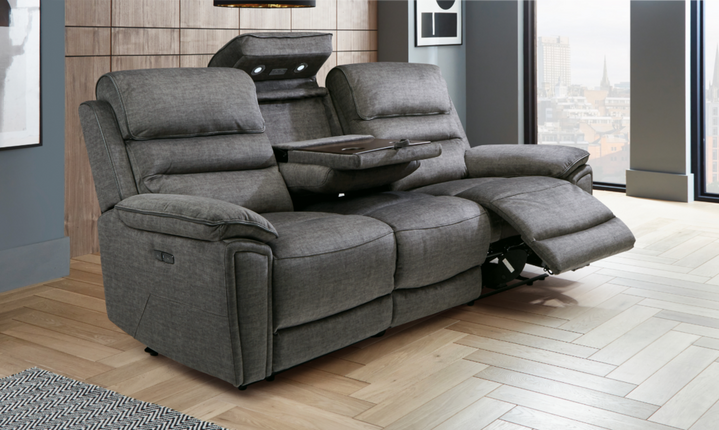
4. Fine-Tune the Angle
Adjust the tilt in small increments. The ideal angle supports the lower back, allows the feet to rest comfortably on the floor or footrest, and keeps the knees slightly bent. Avoid reclining too far back if it causes discomfort or makes it difficult to get up.
5. Test and Readjust
Sit in the chair for a few minutes to ensure comfort. If you feel pressure points or strain, adjust the tilt again. It may take a few tries to find the perfect position.
Tips for Safe and Comfortable Recliner Use
- Check Stability: Make sure the chair is on a flat, stable surface to prevent tipping.
- Use Armrests: When changing positions or standing up, use the armrests for support.
- Keep Controls Accessible: Place remotes or buttons within easy reach to avoid overreaching or straining.
- Monitor Cords: For power recliners, ensure cords are tucked away to prevent tripping.
- Regular Maintenance: Inspect moving parts and mechanisms periodically for wear or damage.
For more information on the advantages of recliners for older adults, see this overview of lift chair recliner benefits, which covers comfort, mobility, and independence.
Choosing the Right Recliner for Seniors
Not all recliners are created equal. When selecting a chair for an older adult, consider the following:
- Ease of Use: Power recliners or lift chairs are often easier for those with limited mobility.
- Support: Look for models with lumbar and neck support, as well as cushioned armrests.
- Size and Fit: The chair should fit the user’s height and weight for optimal comfort and safety.
- Material: Choose easy-to-clean, non-slip fabrics for added safety and convenience.

Common Issues and Troubleshooting
While adjusting the tilt is usually straightforward, some common issues may arise:
- Stiff Mechanism: If a manual lever is hard to move, check for obstructions or lubricate the moving parts as recommended by the manufacturer.
- Power Failure: For electric models, ensure the chair is plugged in and the outlet is functional. Check the remote batteries if applicable.
- Unusual Noises: Squeaks or grinding sounds may indicate loose bolts or the need for maintenance.
- Chair Won’t Recline or Return Upright: Reset the power by unplugging and plugging back in. For persistent issues, consult the manufacturer or a professional technician.
Additional Resources for Senior Comfort
Comfort and accessibility go beyond just seating. If you’re looking for more ways to support seniors at home, consider exploring easy to use smartphones for seniors or best phones for elderly parents for communication and safety.
Frequently Asked Questions
What is the safest way to adjust a recliner for an elderly person?
Always ensure the area around the chair is clear, use slow and gentle movements, and keep both feet on the ground or footrest. For power chairs, use the remote to make gradual adjustments. If assistance is needed, help support the user’s back and arms during the process.
How often should I check the recliner’s mechanism?
It’s a good idea to inspect the chair every few months for loose bolts, worn parts, or electrical issues. Regular maintenance helps prevent sudden malfunctions and extends the chair’s lifespan.
Can all recliners be adjusted for tilt?
Most modern recliners, especially those designed for seniors, offer adjustable tilt features. However, some basic or older models may have limited or fixed positions. Always check the product specifications before purchase.
Conclusion
Properly adjusting the tilt on a recliner can greatly enhance comfort, mobility, and independence for older adults. By following the steps outlined above and considering safety and support, you can ensure a relaxing and secure experience. For more tips on accessible products and technology for seniors, browse our related guides or consult with a healthcare professional for personalized recommendations.