

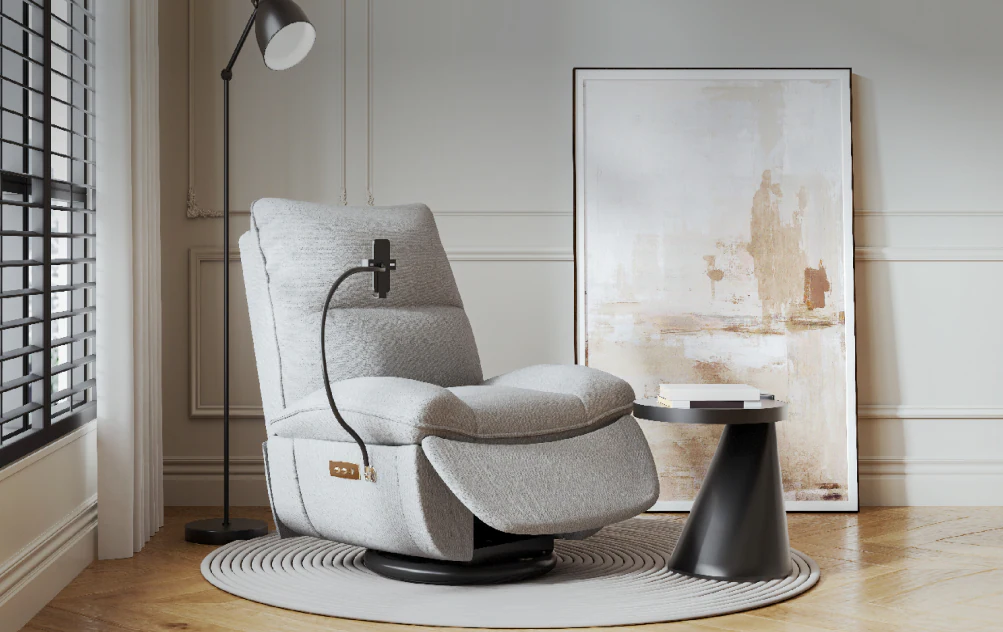
Spending extended periods in a recliner can be comfortable, but it may also lead to poor blood flow, especially in the legs and feet. Whether you’re recovering from surgery, managing mobility challenges, or simply enjoy relaxing in your favorite chair, it’s important to understand how to keep your circulation healthy while seated. This guide covers practical strategies, ergonomic adjustments, and helpful habits to support better blood flow and reduce the risk of discomfort or complications.
For those interested in other senior-friendly technology and comfort solutions, you might also explore voice controlled tablets that offer hands-free convenience and accessibility.
Why Circulation Matters When Using a Recliner
Good blood flow is essential for delivering oxygen and nutrients throughout the body. When sitting for long periods, especially with the legs bent or unsupported, circulation can slow down. This may cause swelling, numbness, tingling, or even increase the risk of blood clots in some individuals. Recliners, while designed for comfort, can sometimes contribute to these issues if not used properly.
Understanding the factors that affect circulation in a reclined position is the first step to making positive changes. Factors such as leg elevation, seat angle, and how often you move all play a role in how well blood circulates while you relax.
Adjusting Your Recliner for Optimal Blood Flow
One of the simplest ways to support healthy circulation is to adjust your chair’s position. Here are some tips for making your recliner work for you:
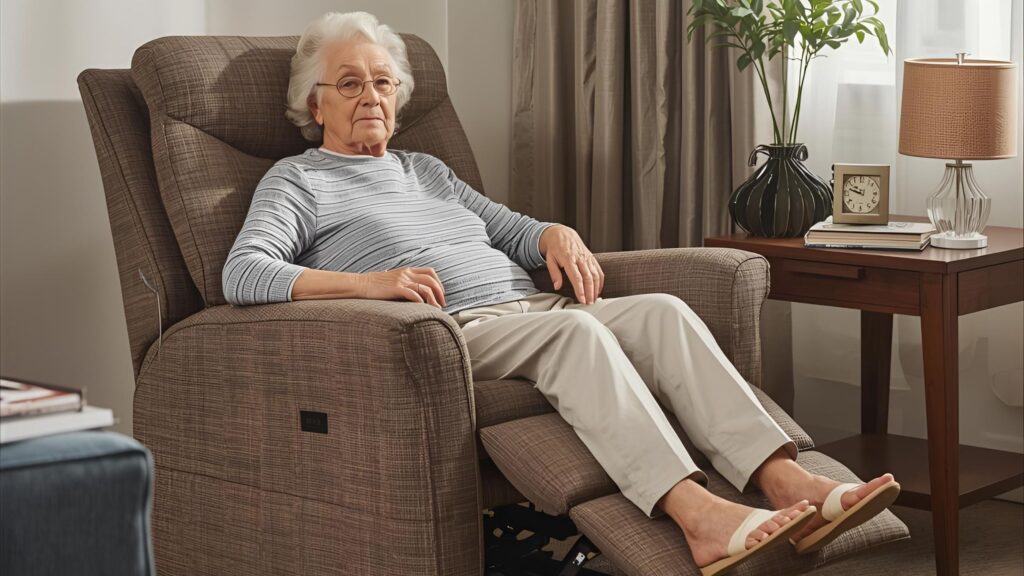
- Elevate your legs: Raising your legs above heart level can help blood return from your lower extremities. Most recliners allow you to adjust the footrest—aim for a position where your feet are slightly higher than your hips.
- Maintain a gentle bend in the knees: Avoid locking your knees straight, as this can restrict blood flow. A slight bend is ideal.
- Use cushions for support: If your recliner doesn’t provide enough support, place a small pillow under your calves or behind your knees to encourage better alignment and comfort.
- Change positions regularly: Even small shifts in how you sit can stimulate circulation. Try adjusting your seat angle or moving your legs every 30–60 minutes.
Simple Exercises to Boost Circulation While Seated
Movement is one of the most effective ways to encourage blood flow, even when you’re sitting. Try incorporating these easy exercises into your routine:
- Ankle pumps: Flex your feet up and down, as if pressing a gas pedal. Repeat 10–15 times every hour.
- Toe wiggles: Wiggle your toes for 30 seconds to stimulate the muscles in your feet.
- Knee lifts: Gently lift one knee at a time a few inches off the seat, hold for a couple of seconds, then lower. Alternate legs for 10 repetitions.
- Heel-toe rocks: Place your feet flat on the floor, then rock back onto your heels and forward onto your toes several times.
These small movements can be done discreetly and help prevent stiffness, swelling, and discomfort. If you have medical conditions or recent surgery, consult your healthcare provider before starting new exercises.
Choosing the Right Recliner for Circulatory Health
Not all recliners are created equal when it comes to promoting healthy blood flow. Features to look for include:
- Adjustable footrests that allow you to raise your legs comfortably.
- Power lift and infinite position controls for customized support and easy changes in posture.
- Firm, supportive cushions that prevent sinking too deeply, which can restrict movement.
- Wide seat base to allow for shifting positions and gentle stretching.
For more on the advantages of specific models, you can read about the benefits of electric lift recliners and how they can assist with both comfort and mobility.
Additional Tips for Maintaining Healthy Circulation
Beyond chair adjustments and movement, several other habits can help support your vascular health while enjoying your recliner:
- Stay hydrated: Drinking enough water helps keep your blood flowing smoothly.
- Avoid crossing your legs for long periods: This can compress blood vessels and restrict flow.
- Wear loose, comfortable clothing: Tight socks or pants can impede circulation, especially around the thighs and calves.
- Consider compression socks: If you’re at risk for swelling or have been advised by your doctor, compression garments can help prevent fluid buildup in the legs.
- Take standing or walking breaks: If possible, get up and move around every hour to stimulate circulation throughout your body.
Recognizing Signs of Poor Circulation
It’s important to be aware of symptoms that may indicate restricted blood flow. If you notice any of the following while sitting for long periods, take action and consult a healthcare professional if symptoms persist:
- Swelling in the feet, ankles, or legs
- Numbness or tingling sensations
- Persistent coldness in the lower limbs
- Discoloration or unusual redness
- Cramping or aching pain
Early intervention can help prevent more serious complications such as deep vein thrombosis (DVT), especially for those with underlying health conditions.
Integrating Circulation-Friendly Habits Into Daily Life
Making small, consistent changes to your routine can have a big impact on your comfort and health. Set reminders to move, adjust your recliner, and stay hydrated. If you use technology to help manage your day, consider exploring easy to use smartphones for seniors that can set alarms or track your activity, making it easier to remember these healthy habits.
Frequently Asked Questions
How often should I move or change positions when sitting in a recliner?
It’s best to shift your position or perform simple leg and foot exercises every 30 to 60 minutes. Even small movements help stimulate blood flow and reduce the risk of swelling or numbness.
Are power recliners better for circulation than manual models?
Power recliners often offer more precise adjustments, allowing you to find the ideal position for leg elevation and comfort. This can make it easier to support healthy blood flow compared to some manual models, especially for those with limited mobility.
Can using a recliner cause blood clots?
Sitting in any position for long periods without movement can increase the risk of blood clots, particularly in people with certain health conditions. However, by following the strategies in this article—such as elevating your legs, moving regularly, and staying hydrated—you can significantly reduce this risk.
Maintaining good circulation while enjoying your recliner is possible with a few mindful adjustments and healthy routines. Prioritize movement, ergonomic support, and regular breaks to keep your blood flowing and your body comfortable.