

As people age, clothing needs often change. Mobility challenges, arthritis, and other health conditions can make traditional garments difficult to wear. Adaptive fashion for elderly individuals addresses these concerns by offering clothing designed for ease, comfort, and dignity. This approach not only improves daily living but also helps older adults maintain their sense of style and independence.
In this guide, we’ll explore the essentials of adaptive apparel, its benefits, and how to choose the right pieces for yourself or a loved one. We’ll also highlight practical resources and products that support a safer, more comfortable lifestyle at home.

For those exploring other ways to support independence, consider technology like voice controlled tablets that make communication and entertainment more accessible for seniors.
What Is Adaptive Clothing and Why Does It Matter?
Adaptive clothing is designed to make dressing easier for people with limited mobility, dexterity issues, or medical needs. Features such as magnetic closures, Velcro fastenings, open-back designs, and elastic waistbands help reduce the physical effort required to get dressed. These garments are especially valuable for seniors who want to remain self-sufficient or for caregivers assisting with daily routines.
Traditional clothing can be restrictive or uncomfortable for older adults, especially those who use wheelchairs or have difficulty lifting their arms. Adaptive garments address these challenges by prioritizing comfort, safety, and ease of use—without sacrificing style.
Key Features of Adaptive Fashion for Seniors
When choosing adaptive fashion for elderly users, look for the following features:
- Easy Closures: Magnetic buttons, Velcro strips, or large zipper pulls replace small, fiddly fasteners.
- Open-Back Designs: Shirts, blouses, and dresses that open at the back make it easier for caregivers to assist with dressing.
- Stretch Fabrics: Materials with stretch offer greater comfort and flexibility, accommodating changes in body shape.
- Flat Seams: Reduce irritation for sensitive skin and help prevent pressure sores.
- Adjustable Waistbands: Elastic or drawstring waists adapt to fluctuating weight and make pants easier to pull on and off.
- Wheelchair-Friendly Cuts: Pants with higher backs or tops with longer fronts ensure a better fit for seated individuals.
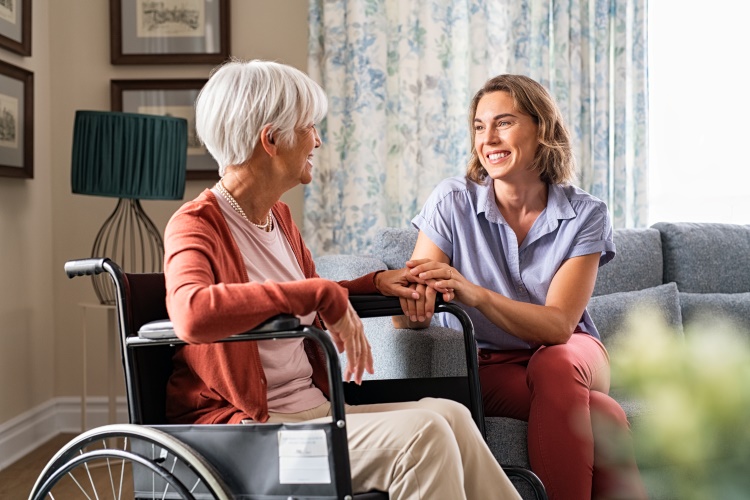
Benefits of Specialized Clothing for Older Adults
Adopting adaptive fashion for elderly individuals brings several advantages:
- Enhanced Comfort: Soft, breathable fabrics and thoughtful tailoring reduce discomfort and skin irritation.
- Improved Safety: Easy-to-use closures and non-slip socks or shoes help prevent falls and accidents.
- Greater Independence: Seniors can dress themselves with less assistance, preserving dignity and autonomy.
- Caregiver Support: Open-back clothing and simple fasteners make it easier for caregivers to help with dressing, reducing strain and time.
- Boosted Confidence: Stylish designs help older adults feel good about their appearance, which can positively impact mental health.
Research supports the value of adaptive apparel in promoting well-being and reducing caregiver burden. For more details, see this comprehensive study on adaptive clothing and elderly care.
How to Choose the Right Adaptive Apparel
Selecting suitable clothing depends on the individual’s needs, preferences, and daily activities. Here are some tips for making the best choice:
- Assess Mobility: Consider whether the person can stand, walk, or needs to remain seated most of the time.
- Check for Skin Sensitivities: Opt for hypoallergenic and tagless fabrics to avoid irritation.
- Think About Fasteners: Choose closures that match the wearer’s dexterity level—magnetic or Velcro options are ideal for those with arthritis.
- Prioritize Safety: Look for non-slip footwear and avoid loose, trailing garments that could cause tripping.
- Consider Style: Adaptive clothing comes in a range of colors and patterns, so personal taste doesn’t have to be sacrificed.
It’s also helpful to involve the wearer in the selection process. This ensures the clothing not only fits well but also matches their style preferences, helping them feel more comfortable and confident.
Popular Types of Adaptive Garments
There is a wide variety of adaptive clothing available for older adults. Some of the most popular options include:
- Open-Back Tops and Dresses: Ideal for those with limited arm mobility or who require assistance dressing.
- Side-Opening Pants: Make it easier for individuals who use wheelchairs or have difficulty standing.
- Magnetic Shirts: Replace traditional buttons with magnets for effortless closure.
- Non-Slip Socks and Shoes: Help prevent falls and provide extra grip on smooth surfaces.
- Adaptive Undergarments: Designed with easy-access features for those with incontinence or mobility challenges.
These garments are available from specialized retailers and some mainstream brands, making it easier than ever to find suitable options for every need and budget.
Integrating Technology and Adaptive Clothing
Innovations in both clothing and technology are making life easier for seniors. For example, pairing adaptive garments with devices like easy to use smartphones for seniors or best phones for elderly parents can further enhance independence and safety. Wearable technology, such as medical alert systems, can also be seamlessly integrated with adaptive outfits, ensuring seniors stay connected and protected.
Maintaining Dignity and Personal Style
One of the most important aspects of adaptive apparel is its ability to support self-expression. Many older adults want to maintain their personal style, even as their physical needs change. Modern adaptive clothing is available in a variety of colors, patterns, and cuts, allowing seniors to dress in a way that feels authentic and empowering.
When shopping for adaptive garments, look for brands that offer both function and fashion. This balance helps older adults feel confident and comfortable, whether they’re at home, attending social events, or participating in community activities.
Frequently Asked Questions
What makes adaptive clothing different from regular clothing?
Adaptive clothing is specifically designed for people with mobility or dexterity challenges. It features easy-to-use closures, open-back or side-opening designs, and comfortable fabrics that make dressing and undressing simpler and safer for seniors and their caregivers.
Who can benefit from adaptive apparel?
Older adults with arthritis, limited mobility, or chronic health conditions often benefit the most. However, anyone who finds traditional clothing difficult to manage—such as those recovering from surgery or living with disabilities—can also find adaptive garments helpful.
Where can I buy adaptive clothing for seniors?
Adaptive garments are available from specialty retailers, online stores, and some mainstream brands. When shopping, consider the individual’s needs and preferences, and look for features that will make daily dressing easier and more comfortable.
Conclusion
Choosing the right clothing can make a significant difference in the lives of older adults. Adaptive fashion for elderly individuals goes beyond basic comfort—it supports independence, safety, and self-esteem. By understanding the unique features and benefits of adaptive apparel, families and caregivers can help seniors maintain their dignity and enjoy a better quality of life.
For more information on related products and technology that support senior living, explore guides on easy tablets for beginners and phones with emergency SOS button to further enhance safety and independence at home.