

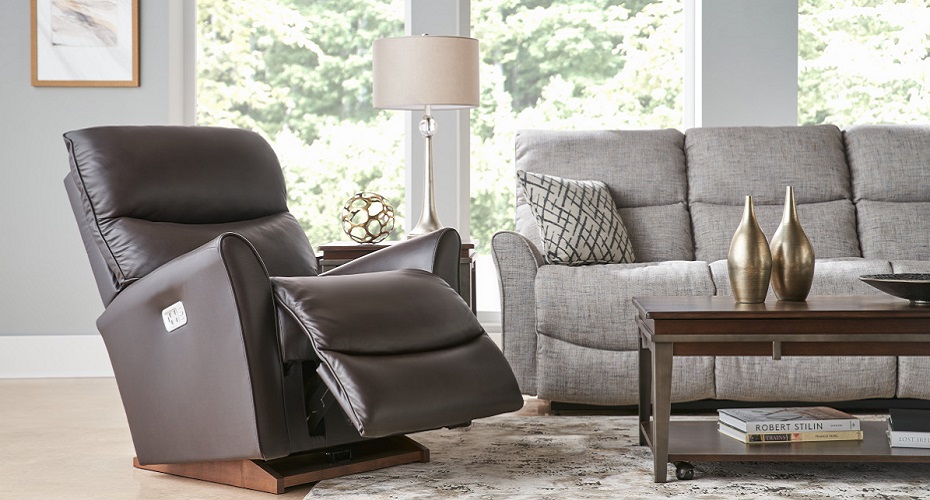
Comfort and convenience are essential for seniors who spend extended periods sitting or relaxing at home. Recliners equipped with tray tables offer an ideal solution, combining ergonomic support with practical surfaces for meals, reading, or hobbies. However, making the most of these features requires some thoughtful adjustments and safety considerations. This article provides practical advice and best practices for seniors and caregivers to ensure a positive experience when using a recliner with a tray table.
Whether you’re setting up a new chair or helping a loved one adapt to daily routines, understanding the right techniques and accessories can make a significant difference. For those interested in other helpful technology for older adults, check out our guide to voice controlled tablets for hands-free convenience.
Choosing the Right Recliner and Tray Table Combination
Not all recliners and tray tables are created equal. Selecting a chair that matches the user’s needs is the first step toward comfort and safety. Look for models with:
- Sturdy construction that supports easy entry and exit.
- Tray tables that are adjustable in height and angle for various activities.
- Easy-to-clean surfaces, especially for those who plan to eat or do crafts.
- Secure locking mechanisms to prevent accidental movement of the tray.
Some recliners come with built-in tray tables, while others require an add-on. Consider whether a manual or power recliner is more suitable, as power models often offer smoother adjustments and greater ease of use for those with limited mobility.
Setting Up for Safety and Accessibility
Proper setup is crucial for seniors to use a recliner and tray table safely. Here are some essential steps:
- Position the recliner on a flat, non-slip surface to prevent shifting.
- Ensure the tray table is within easy reach but not obstructing movement in and out of the chair.
- Test the locking mechanism on the tray to confirm it stays in place during use.
- Keep pathways around the recliner clear of obstacles, cords, or rugs that could cause trips.
For those who use mobility aids such as walkers or canes, make sure there is enough space to maneuver safely around the chair and table setup.
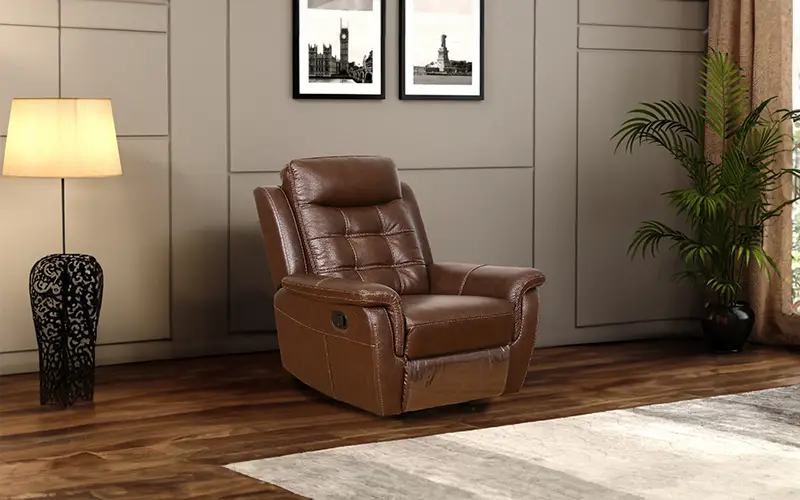
Best Practices for Daily Use
To maximize comfort and minimize risk, seniors and caregivers should follow these daily tips for using a recliner with a tray table:
- Always check that the tray table is locked before placing items on it.
- Use lightweight, non-breakable dishes and cups to reduce the risk of spills or accidents.
- Adjust the tray height for each activity—lower for eating, higher for reading or using a tablet.
- Encourage regular movement and stretching to avoid stiffness from prolonged sitting.
- Wipe down the tray after each use to maintain hygiene, especially if food or drinks are involved.
For those who enjoy technology, pairing the tray table with easy to use smartphones for seniors or tablets can make entertainment and communication more accessible.
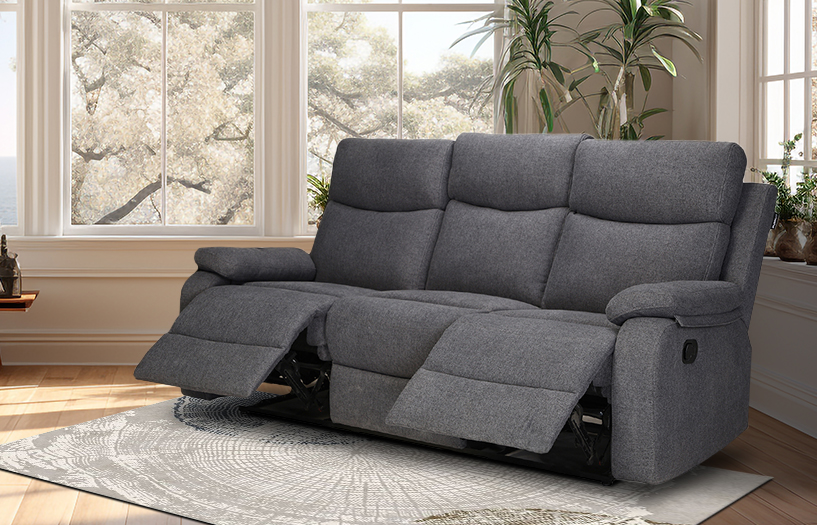
Maintaining Comfort and Independence
One of the main advantages of using a recliner with a tray table is the boost in independence it can provide. Seniors can enjoy meals, hobbies, or digital devices without needing to move to a dining table or desk. To maintain comfort:
- Choose a recliner with adequate lumbar and neck support.
- Use cushions or pillows as needed to improve posture and reduce pressure points.
- Keep frequently used items—like glasses, remotes, or medications—within arm’s reach on the tray.
- Encourage seniors to adjust the recliner position regularly to promote circulation.
For those new to using these types of chairs, a brief orientation or demonstration can help build confidence and reduce anxiety about operating the mechanisms.
Adapting for Special Needs and Safety Concerns
Some seniors may have specific needs due to arthritis, limited grip strength, or visual impairments. Here are some adaptations to consider:
- Opt for tray tables with large, easy-to-use handles or levers.
- Choose models with contrasting colors for better visibility.
- Install anti-slip mats or pads on the tray surface to prevent items from sliding.
- Consider recliners with side pockets or organizers for additional storage.
Caregivers should regularly inspect the chair and tray for loose parts or wear, and promptly address any maintenance issues to ensure ongoing safety.
Integrating Technology and Entertainment
Modern recliners and tray tables can be paired with technology to further enhance the user experience. For example, seniors can use the tray as a stable platform for easy tablets for beginners or e-readers. This setup is ideal for video calls, watching shows, or browsing the internet. Just ensure that charging cables are safely managed to avoid tripping hazards.
For those who prioritize safety, keeping a phone with an emergency SOS button on the tray ensures help is always within reach.
Cleaning and Maintenance Tips
Regular cleaning and maintenance extend the life of both the recliner and tray table. Follow these steps:
- Wipe down the tray with a damp cloth after meals or activities.
- Use gentle cleaners suitable for the tray’s material to avoid damage.
- Vacuum or brush the recliner upholstery to remove crumbs and dust.
- Check moving parts and hinges for signs of wear, tightening screws as needed.
- Review the manufacturer’s care instructions for both the chair and tray.
Routine maintenance not only keeps the furniture looking good but also ensures it remains safe and functional for everyday use.
Frequently Asked Questions
What features should I look for in a recliner with a tray table for seniors?
Look for sturdy construction, adjustable tray height and angle, easy-to-clean surfaces, and secure locking mechanisms. Power recliners may offer smoother adjustments, which can be beneficial for those with limited mobility.
How can I make a recliner and tray table setup safer for an elderly person?
Ensure the chair is on a stable, non-slip surface, keep pathways clear, and check that the tray locks securely. Use lightweight, non-breakable items on the tray and consider anti-slip mats to prevent spills.
Are there accessories that can improve comfort and usability?
Yes, accessories like cushions for extra support, anti-slip tray mats, and side organizers can enhance comfort and convenience. For those who use technology, a tablet stand or phone holder can be helpful additions.