

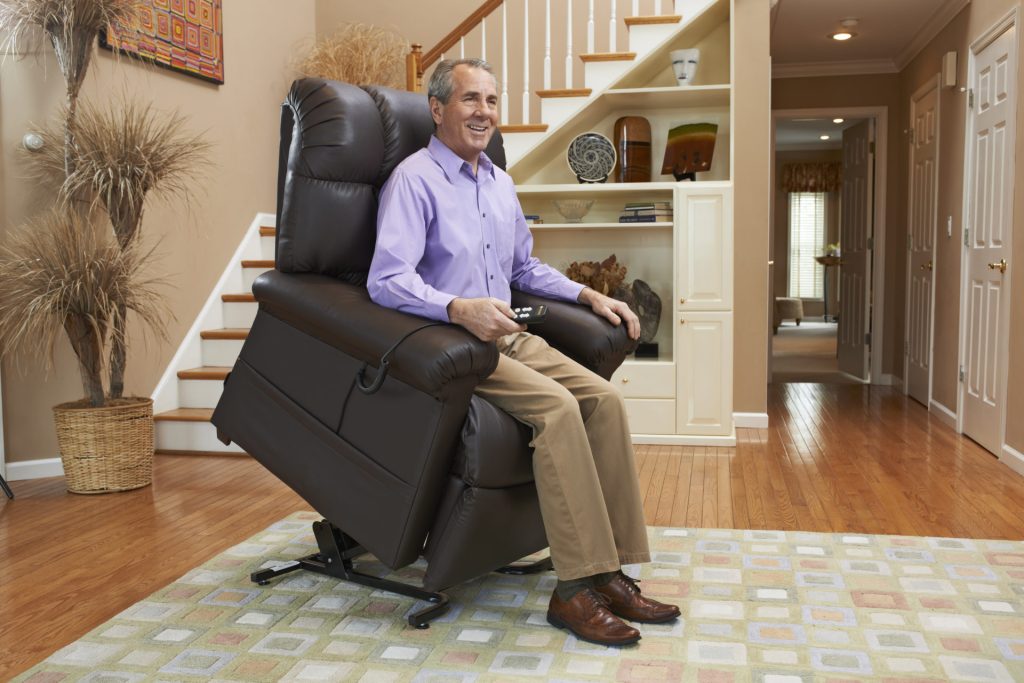
Choosing the right recliner for a living area used by multiple people can be challenging. Comfort, style, and practicality all play a role, but so do the unique needs and preferences of everyone who will use the chair. Whether you’re furnishing a family room, a senior-friendly lounge, or a multipurpose den, understanding how to select a recliner for a shared living space ensures everyone benefits from your investment.
This guide covers essential considerations, from measuring your room and evaluating comfort features to balancing aesthetics with accessibility. You’ll also find practical tips for accommodating seniors, integrating technology, and maintaining harmony in a communal environment. If you’re also interested in other senior-friendly tech, you might want to explore voice controlled tablets for added convenience in your home.
Key Factors When Choosing a Recliner for Communal Spaces
When picking a recliner for a room shared by family members, guests, or roommates, it’s important to look beyond personal taste. Here are the main elements to consider:
- Size and Proportion: Measure your available space and consider the recliner’s footprint, both upright and fully reclined. Make sure it won’t block walkways or crowd other furniture.
- Weight Capacity and Durability: Choose a model that supports all potential users and is built to withstand daily use.
- Ease of Use: Look for intuitive controls, especially if seniors or children will use the chair. Power recliners, remote controls, and easy-to-reach levers can make a big difference.
- Style and Upholstery: Select a design and fabric that complements your existing décor and is easy to clean. Leather and stain-resistant fabrics are popular for high-traffic areas.
- Accessibility Features: Consider lift-assist, swivel, or wall-hugger mechanisms for added convenience, especially in homes with elderly residents.
Balancing Comfort and Functionality for Everyone
One of the main challenges in shared living areas is finding a recliner that suits a range of body types and comfort preferences. Here’s how to strike the right balance:
- Adjustable Features: Models with adjustable headrests, lumbar support, and footrests allow users to customize their seating position.
- Seat Depth and Height: A chair that’s too deep or too high can be uncomfortable for shorter users, while a shallow seat may not support taller individuals. Test different models if possible.
- Armrest Design: Wide, padded armrests offer comfort for reading or watching TV, but make sure they don’t interfere with getting in and out of the chair.
For families with seniors, prioritizing ergonomic support and ease of entry is especially important. If you’re considering safety features for older adults, you might also want to read about phones with emergency SOS button for added peace of mind.
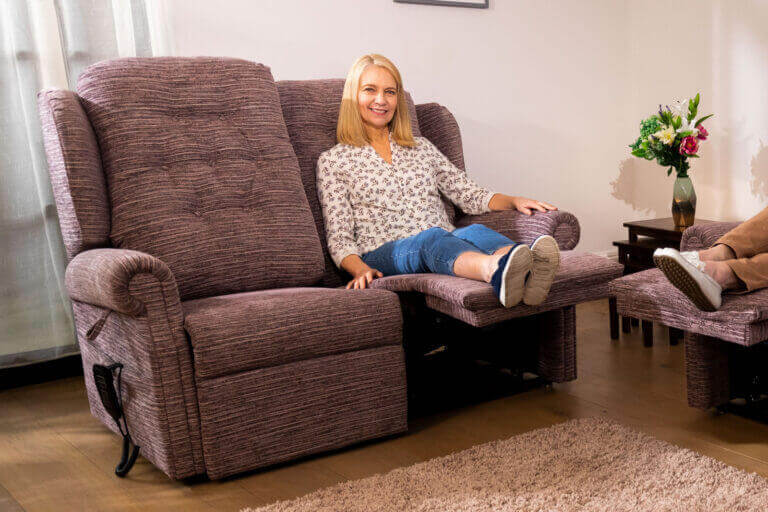
Matching Recliner Styles to Shared Living Room Decor
Blending a new recliner into your existing living space is about more than color. Consider these tips for a cohesive look:
- Choose Neutral Tones: Beige, gray, and navy work well in most settings and are less likely to clash with other furniture.
- Coordinate Textures: Match the recliner’s upholstery with your sofa or accent chairs for a unified appearance.
- Modern vs. Traditional: Sleek, minimalist recliners suit contemporary rooms, while tufted or rolled-arm models fit classic décor.
- Space-Saving Designs: Wall-hugger and compact recliners are ideal for smaller rooms or apartments.
Don’t forget to factor in cleaning and maintenance. In shared spaces, spills and stains are more likely, so opt for materials that are easy to wipe down or have removable covers.
Special Considerations for Senior-Friendly Recliners
For households with older adults, selecting a recliner that enhances safety and independence is crucial. Features to look for include:
- Lift Mechanisms: Power lift recliners help users stand up safely, reducing fall risk.
- Remote Controls: Simple, clearly labeled remotes make operation easier for those with limited dexterity.
- Firm, Supportive Cushions: Avoid overly soft seats that make it hard to get up.
To learn more about the pros and cons of recliner chairs for elderly people, check out this comprehensive guide to recliner chairs for seniors.
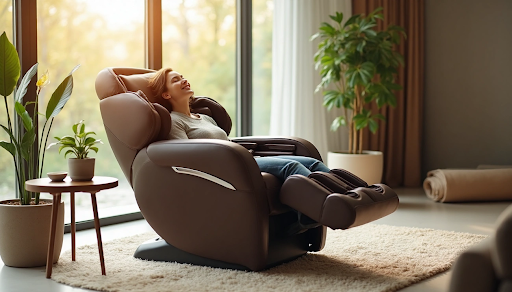
Integrating Technology and Accessibility
Modern recliners offer more than just a comfortable seat. Consider these tech-forward and accessible features for shared environments:
- USB Charging Ports: Convenient for charging phones and tablets without leaving your seat.
- Massage and Heat Functions: Great for relaxation, but ensure controls are easy to use and settings can be adjusted for different users.
- Voice Activation: Some advanced models can be paired with smart home systems for hands-free operation, which is especially helpful for those with mobility challenges.
If you’re interested in making your home even more accessible, you might also want to look at easy tablets for beginners that are designed for simplicity and ease of use.
Tips for Maintaining Harmony in Shared Spaces
When multiple people use the same recliner, setting ground rules and maintaining the chair can help prevent conflicts and extend its lifespan:
- Establish a Cleaning Routine: Regularly vacuum and spot-clean the recliner to keep it fresh for everyone.
- Rotate Usage: If possible, encourage everyone to share the chair equally to avoid uneven wear.
- Set Guidelines for Reclining: Make sure everyone knows how to operate the chair safely, especially if it has power or lift features.
- Protect the Upholstery: Use washable covers or throws to guard against spills and pet hair.
Frequently Asked Questions
What size recliner is best for a shared living room?
Choose a recliner that fits your available space without blocking pathways or crowding other furniture. Measure both the upright and fully reclined dimensions, and consider compact or wall-hugger models for smaller rooms.
How can I make sure a recliner is comfortable for everyone?
Look for adjustable features such as headrests, lumbar support, and footrests. Test the seat depth and height to ensure it accommodates users of different sizes. If possible, have all regular users try out the chair before purchasing.
Are power recliners or manual recliners better for shared spaces?
Power recliners offer easier operation, especially for seniors or those with limited strength, but require access to an outlet. Manual recliners are simpler and don’t need electricity, but may be harder for some users to operate. Consider your household’s needs and preferences before deciding.
By focusing on comfort, accessibility, and style, you can find a recliner that enhances your shared living area for years to come. For more advice on senior-friendly products, explore guides on best phones for elderly parents or large button cell phones to make your home even more welcoming and accessible.