

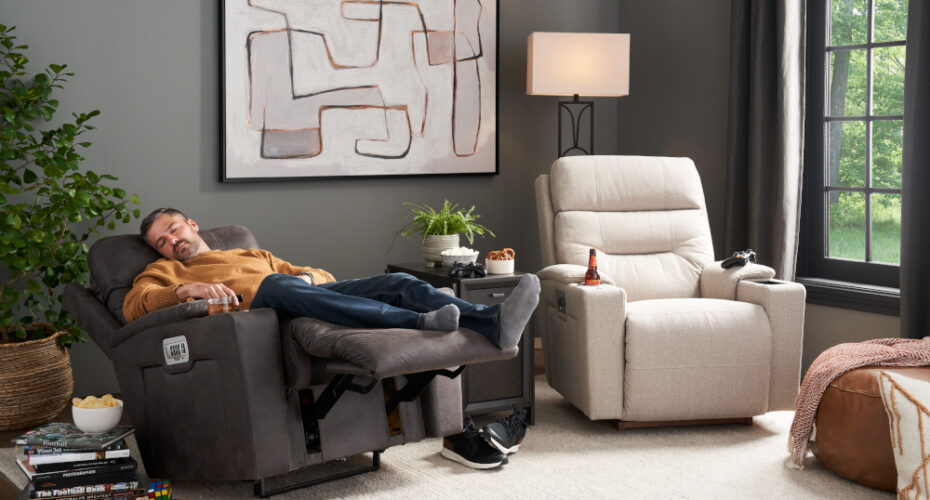
Lift chairs have become an essential piece of furniture for many older adults, offering comfort, independence, and crucial support for mobility. As the demand for these chairs grows, so does the need for enhanced safety features. One of the most significant advancements in recent years is the integration of anti-tip mechanisms. Understanding the importance of anti-tip features for seniors is vital for anyone considering a lift chair for themselves or a loved one. These safety enhancements can make a substantial difference in everyday life, helping to prevent accidents and provide peace of mind.
Falls are a leading cause of injury among older adults, and furniture instability can be a hidden risk. Anti-tip technology in lift chairs is specifically designed to address this concern, ensuring that the chair remains stable during use—especially when transitioning from sitting to standing or reclining. In this article, we’ll explore why these features matter, how they work, and what to look for when choosing a safe and reliable lift chair.
For those interested in other supportive technology, voice controlled tablets can further enhance independence and safety at home.
Why Stability Matters in Senior Mobility Furniture
Stability is a cornerstone of safety for older adults, especially when it comes to furniture that moves or changes position. Lift chairs are designed to assist users in standing up or sitting down, but without proper stabilization, these movements can introduce tipping hazards. The importance of anti-tip features for seniors becomes clear when considering the risks associated with falls and the potential for serious injury.
As people age, factors such as reduced balance, muscle weakness, and slower reflexes can increase vulnerability. Even a minor imbalance in a lift chair can lead to a dangerous situation. Anti-tip systems work to counteract these risks by providing a broader, more stable base and reinforcing the chair’s structure during movement. This helps ensure that the chair remains securely in place, regardless of the user’s weight distribution or movement speed.
How Anti-Tip Mechanisms Work in Lift Chairs
Modern lift chairs incorporate several engineering solutions to prevent tipping. These may include extended wheelbases, reinforced frames, and strategically placed stabilizing bars. Some models use non-slip feet or additional weight in the base to lower the center of gravity. The goal is to keep the chair grounded, even when the user is shifting their weight or using the lift function.
Anti-tip features are especially important during transitions, such as when the chair is rising to help the user stand. At this moment, the user’s weight shifts forward, which can create instability in chairs lacking proper safeguards. By distributing weight more evenly and anchoring the chair, anti-tip technology reduces the likelihood of accidents.

Key Benefits of Anti-Tip Technology for Older Adults
The advantages of anti-tip features extend beyond basic safety. Here are some of the most notable benefits for seniors and their families:
- Reduced Fall Risk: By minimizing the chance of the chair tipping, these features directly address one of the leading causes of injury among older adults.
- Increased Confidence: Knowing that the chair is stable allows users to operate it independently, fostering a sense of autonomy and dignity.
- Peace of Mind for Caregivers: Family members and caregivers can feel more at ease, knowing that their loved one is protected by advanced safety measures.
- Support for Varied Mobility Needs: Anti-tip mechanisms are beneficial for those with limited strength, balance issues, or conditions that affect movement control.
- Enhanced Comfort: Stability contributes to a smoother, more comfortable transition between sitting and standing, reducing strain on joints and muscles.
For more information on how mobility furniture can improve quality of life, see this comprehensive guide to the benefits of lift chairs and recliners for seniors.
What to Look for When Choosing a Safe Lift Chair
Not all lift chairs are created equal. When shopping for a model that prioritizes safety, there are several factors to consider:
- Certified Anti-Tip Design: Look for chairs that specifically advertise anti-tip features or have undergone safety testing.
- Sturdy Construction: A robust frame and high-quality materials contribute to overall stability.
- Wide Base: Chairs with a broader footprint are less likely to tip, especially during movement.
- Non-Slip Feet or Casters: These prevent the chair from sliding or shifting on smooth floors.
- User Weight Capacity: Ensure the chair can safely support the intended user’s weight.
- Ease of Use: Controls should be simple and accessible, reducing the risk of sudden or jerky movements.
It’s also wise to read reviews and consult with healthcare professionals or occupational therapists when making a decision. They can offer insights into which models best meet individual needs and safety requirements.

Integrating Anti-Tip Features with Other Senior-Friendly Technology
Safety in the home is a holistic goal, and lift chairs with anti-tip mechanisms are just one part of a larger strategy. Many seniors also benefit from devices such as easy to use smartphones for seniors and large button cell phones, which provide reliable communication and emergency support. Combining these technologies with stable, secure furniture can significantly reduce risks and improve quality of life.
When considering a lift chair, think about how it fits into the broader context of home safety and accessibility. Features like anti-tip protection, voice-activated devices, and emergency call buttons can work together to create a safer, more supportive environment for older adults.
Frequently Asked Questions
What are anti-tip features in lift chairs?
Anti-tip features are design elements that prevent lift chairs from tipping over during use. These may include wider bases, reinforced frames, stabilizing bars, and non-slip feet. Their primary purpose is to enhance safety for users, especially during transitions between sitting and standing.
Why are anti-tip mechanisms especially important for seniors?
Older adults are more susceptible to falls and injuries due to reduced balance, strength, and reaction time. Anti-tip mechanisms help ensure that the chair remains stable throughout all movements, significantly lowering the risk of accidents and providing greater confidence for users and caregivers alike.
How can I tell if a lift chair has effective anti-tip protection?
Look for product descriptions or certifications that highlight anti-tip design. Features such as a wide base, sturdy construction, and positive user reviews about stability are good indicators. Consulting with healthcare professionals or reading detailed product guides can also help you identify the safest options.
Conclusion
Choosing a lift chair with robust anti-tip features is a proactive step toward ensuring safety and independence for older adults. These mechanisms are not just added conveniences—they are essential safeguards that address real risks associated with mobility and balance challenges. By prioritizing stability and integrating other senior-friendly technologies, families can create a home environment that supports comfort, autonomy, and peace of mind.