

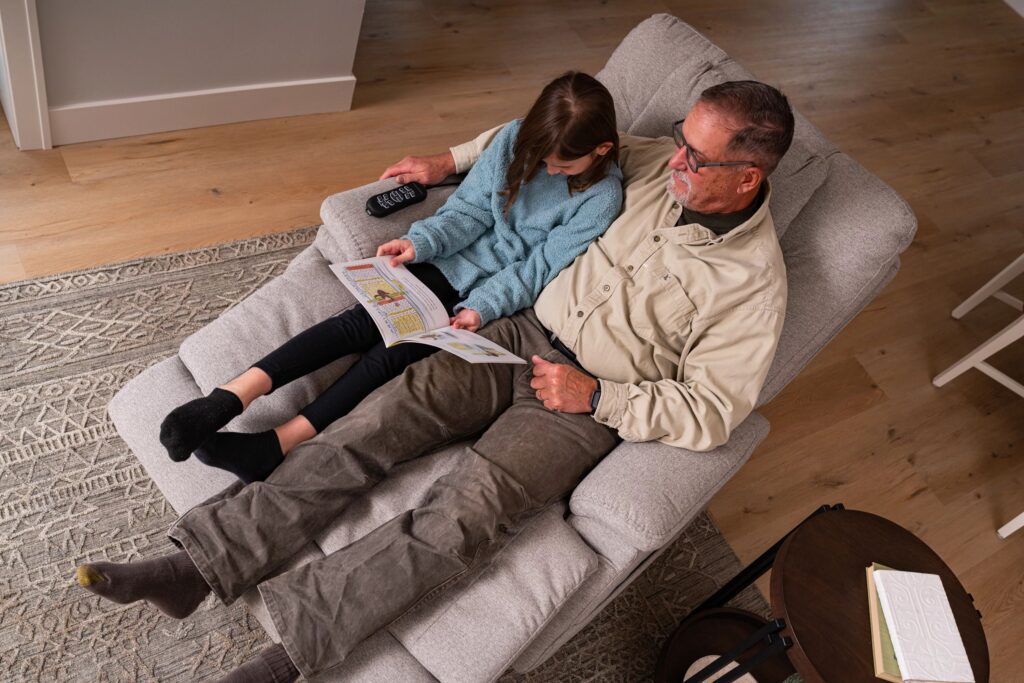
Managing night sweats is a common concern for older adults, especially as changes in metabolism, medications, and certain health conditions can make overheating at night more likely. Choosing the right materials for sleepwear, bedding, and even furniture plays a significant role in keeping seniors comfortable and dry. Understanding the importance of breathable materials for night sweats can help families and caregivers create a healthier, more restful environment for their loved ones.
Breathable fabrics and surfaces allow air to circulate, wick away moisture, and help regulate body temperature. This is especially valuable for seniors, who may be more sensitive to temperature fluctuations or have limited mobility that makes changing damp clothes or bedding more difficult. In this guide, we’ll explore how the right materials can make a difference, what to look for, and practical tips for improving comfort during sleep and relaxation.
For those interested in other comfort-focused technology for older adults, you may also want to explore voice controlled tablets designed for hands-free use, which can further support independence and well-being.
Why Airflow Matters for Seniors Struggling with Night Sweats
Night sweats can disrupt sleep, cause discomfort, and even lead to skin irritation or infections if moisture is trapped against the skin for long periods. Seniors are particularly vulnerable to these issues due to thinner skin, decreased mobility, and a higher likelihood of chronic health conditions. That’s why the importance of breathable materials for night sweats cannot be overstated.
- Temperature Regulation: Breathable fabrics help maintain a stable body temperature, reducing the risk of overheating.
- Moisture Management: Materials that wick away sweat keep the skin dry, lowering the risk of rashes or pressure sores.
- Improved Sleep Quality: By minimizing discomfort, seniors are less likely to wake up during the night, supporting better rest and overall health.
Key Features of Breathable Fabrics and Materials
When selecting bedding, sleepwear, or furniture coverings for older adults, certain material properties are especially helpful for managing night sweats:
- Natural Fibers: Cotton, bamboo, and linen are known for their breathability and moisture-wicking abilities. These materials allow air to circulate and dry quickly, making them ideal for sheets, pillowcases, and pajamas.
- Moisture-Wicking Technology: Some synthetic fabrics, such as specialized polyester blends, are engineered to pull moisture away from the skin and dry rapidly. These can be useful for mattress protectors or recliner covers.
- Open Weave Construction: Loosely woven fabrics promote airflow and help prevent heat buildup.
- Hypoallergenic Properties: Materials that resist dust mites and allergens can further support skin health and respiratory comfort.

Choosing Recliners and Furniture for Better Comfort
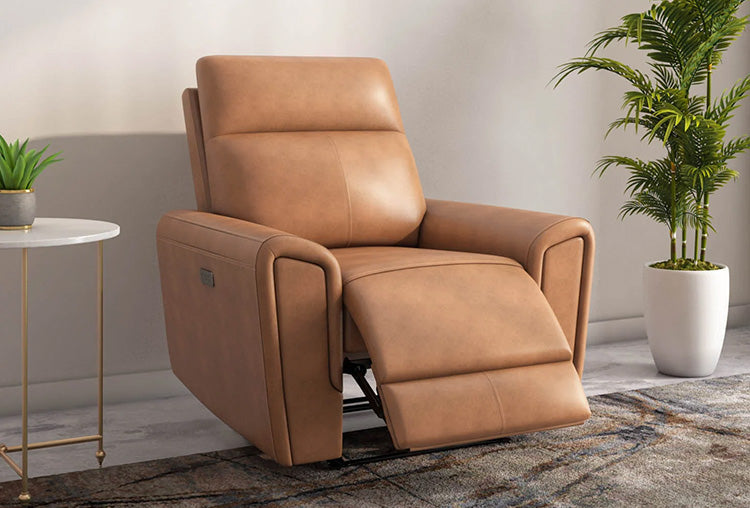
Furniture can also contribute to overheating or discomfort if it’s made from non-breathable materials like vinyl or certain synthetics. Recliners, which are popular among seniors for relaxation and mobility support, should be chosen with care. Look for models with fabric upholstery that allows air to circulate, or consider adding breathable slipcovers to existing chairs.
Some recliners offer advanced features such as moisture-wicking covers or built-in ventilation. For those comparing manual and power recliners, this guide to manual vs. power riser recliners provides a helpful breakdown of the differences and what to consider for comfort and ease of use.
Practical Tips for Managing Night Sweats in Older Adults
Beyond choosing the right materials, there are several strategies that can help reduce the impact of night sweats and promote better sleep:
- Layer Bedding: Use light, breathable layers that can be easily adjusted or removed as needed.
- Keep the Room Cool: Maintain a comfortable temperature with fans or air conditioning, and avoid heavy blankets.
- Change Linens Frequently: Fresh, dry sheets and pillowcases help prevent skin irritation and discomfort.
- Choose the Right Sleepwear: Loose-fitting pajamas made from cotton or bamboo are ideal for moisture control.
- Stay Hydrated: Encourage regular water intake, but avoid caffeine or spicy foods before bedtime, as these can trigger sweating.
For seniors who use technology for communication or entertainment, pairing comfort solutions with easy to use smartphones for seniors can further enhance quality of life and safety at home.
Comparing Popular Materials for Nighttime Comfort
| Material | Breathability | Moisture Wicking | Comfort Level |
|---|---|---|---|
| Cotton | Excellent | Good | Soft, natural feel |
| Bamboo | Excellent | Excellent | Silky, cool touch |
| Linen | Very Good | Good | Lightweight, crisp |
| Polyester (Moisture-Wicking) | Good | Excellent | Smooth, dries quickly |
| Silk | Good | Moderate | Luxurious, cool |
| Fleece/Flannel | Poor | Poor | Warm, may trap heat |
Frequently Asked Questions
What are the best fabrics for seniors who experience night sweats?
Natural fibers like cotton, bamboo, and linen are highly recommended for their breathability and moisture-wicking properties. These materials allow air to circulate and help keep the skin dry, making them ideal for bedding and sleepwear.
Can furniture materials affect night sweat comfort?
Yes, furniture coverings made from non-breathable materials can trap heat and moisture, increasing discomfort. Opt for recliners and chairs with fabric upholstery or add breathable slipcovers to help reduce overheating and improve comfort.
How often should bedding be changed for seniors with night sweats?
It’s best to change sheets and pillowcases at least once a week, or more frequently if they become damp. Keeping bedding fresh and dry helps prevent skin irritation and supports better sleep quality.
Conclusion
Addressing night sweats in older adults requires attention to detail when it comes to fabric and material choices. By prioritizing breathable, moisture-wicking options for bedding, sleepwear, and furniture, families and caregivers can make a significant difference in sleep quality and overall comfort. Combining these solutions with other supportive products, such as best phones for elderly parents and easy-to-use technology, can further enhance independence and well-being for seniors at home.