

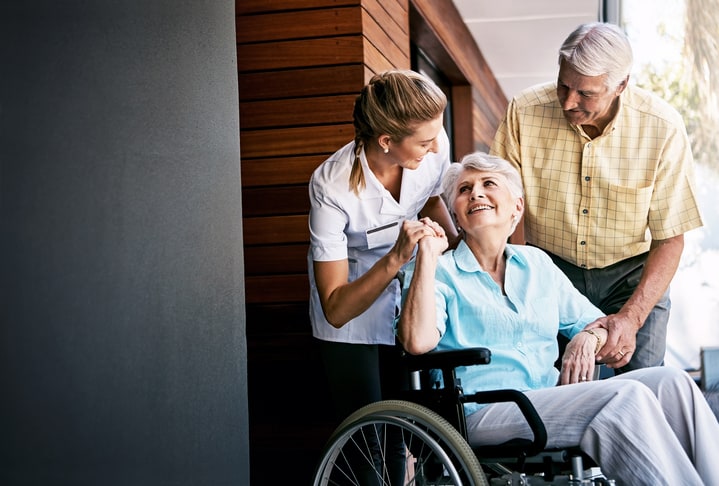
Supporting older adults to live independently and safely at home is a priority for many families and caregivers. Non intrusive monitoring for seniors offers a way to enhance safety, provide peace of mind, and respect privacy—all without the need for constant in-person supervision. These solutions use discreet technology to track well-being, detect emergencies, and alert caregivers if something seems amiss, all while allowing seniors to maintain their dignity and autonomy.
With the rapid advancement of smart home devices and health monitoring systems, families now have access to a range of tools that can help prevent accidents, identify changes in daily routines, and respond quickly to emergencies. Understanding how these systems work, their benefits, and how to choose the right one is essential for anyone considering this approach for a loved one.
For those interested in how data from these systems can inform better care, senior health insights from monitoring data provide valuable information on trends and health changes over time. This can help families and caregivers make more informed decisions about care plans and interventions.
Understanding Discreet Monitoring Solutions for Older Adults
Discreet monitoring technologies are designed to observe daily activities and health indicators without being invasive. Unlike traditional surveillance cameras or frequent check-ins, these systems use sensors, wearables, and smart devices to collect information passively. The goal is to ensure safety and well-being while minimizing disruptions to daily life.
Common features of these systems include:
- Motion sensors to detect movement and activity patterns
- Bed and chair alarms to alert caregivers if someone leaves a safe area
- Door and window sensors for wandering prevention
- Environmental sensors for temperature, smoke, or water leaks
- Wearable devices for fall detection and emergency alerts
These tools can be customized to meet the unique needs of each individual, making them suitable for a wide range of living situations—from independent living to assisted care environments.
Key Benefits of Non-Invasive Senior Monitoring
Choosing non intrusive monitoring for seniors offers several important advantages:
- Privacy Preservation: Seniors can maintain their independence and dignity, as these systems do not rely on constant video surveillance or invasive checks.
- Timely Alerts: Caregivers and family members receive real-time notifications if unusual activity is detected, such as a fall, missed medication, or unexpected wandering.
- Peace of Mind: Families can feel reassured knowing that their loved one is being monitored for safety, even when they cannot be there in person.
- Data-Driven Insights: Over time, these systems can reveal patterns that may indicate changes in health or mobility, allowing for proactive care adjustments.
- Reduced Caregiver Burden: Technology can supplement in-person care, reducing stress and allowing caregivers to focus on quality interactions rather than constant supervision.
For those interested in exploring more about smart devices that support independence, smart assistance for elderly independence highlights helpful gadgets and their practical uses.

Types of Passive Monitoring Technologies
There is a growing variety of passive monitoring options available, each suited to different needs and living arrangements. Some of the most common types include:
- Motion and Presence Sensors: Placed throughout the home, these detect movement and can identify periods of inactivity that may signal a problem.
- Bed and Chair Exit Alarms: These alert caregivers if a senior leaves their bed or chair unexpectedly, which can help prevent falls.
- Door and Window Sensors: Especially useful for those with memory concerns, these sensors notify caregivers if someone leaves the house at unusual times.
- Wearable Emergency Devices: Lightweight pendants or wristbands can detect falls and allow the wearer to call for help with the press of a button.
- Environmental Monitors: Devices that track temperature, smoke, or water leaks to prevent accidents and ensure a safe living environment.
Some systems combine several of these technologies for comprehensive coverage. For more on how these tools can help track independence, see monitoring daily living activities.
How Non-Intrusive Monitoring Enhances Safety
One of the main goals of these systems is to prevent accidents and respond quickly if something goes wrong. For example, motion sensors can detect if a senior has not moved for an extended period, which may indicate a fall or medical emergency. Bed alarms can alert caregivers if someone at risk of wandering leaves their bed during the night.
Some advanced systems use artificial intelligence to learn an individual’s typical routines and send alerts only when something unusual occurs. This reduces false alarms and ensures that caregivers are notified only when necessary. According to a recent study on passive monitoring technologies for older adults, these solutions can significantly improve response times and reduce the risk of serious injury.
For those interested in the future of these technologies, future smart homes for seniors explores how automation and connected devices are shaping the next generation of elder care.

Choosing the Right Solution for Your Loved One
Selecting the best monitoring system depends on several factors, including the senior’s health, mobility, cognitive status, and living environment. Here are some tips to guide your decision:
- Assess Needs: Consider whether the primary concern is fall prevention, wandering, medication reminders, or general well-being.
- Prioritize Privacy: Opt for systems that use sensors rather than cameras, especially if privacy is a top concern.
- Ease of Use: Choose devices that are simple to install and operate, both for the senior and caregivers.
- Integration: Some systems can connect with smartphones or caregiver networks for real-time updates and alerts.
- Scalability: Look for solutions that can be expanded as needs change over time.
For those interested in the latest advancements, next generation elder care technology covers breakthrough innovations in this field.
Frequently Asked Questions
What is non-intrusive monitoring for seniors?
This approach uses discreet technology such as motion sensors, bed alarms, and wearable devices to track activity and safety without constant supervision or invasive cameras. The aim is to support independence while ensuring timely help if needed.
Are these systems safe and reliable?
Most modern monitoring solutions are designed with safety and reliability in mind. They use secure connections and provide real-time alerts to caregivers. It’s important to choose reputable brands and ensure devices are installed and maintained properly.
How do these technologies respect privacy?
Unlike traditional surveillance, passive monitoring systems typically avoid video or audio recording. Instead, they use sensors to detect movement or changes in routine, alerting caregivers only when something unusual occurs. This helps maintain dignity and privacy for older adults.