

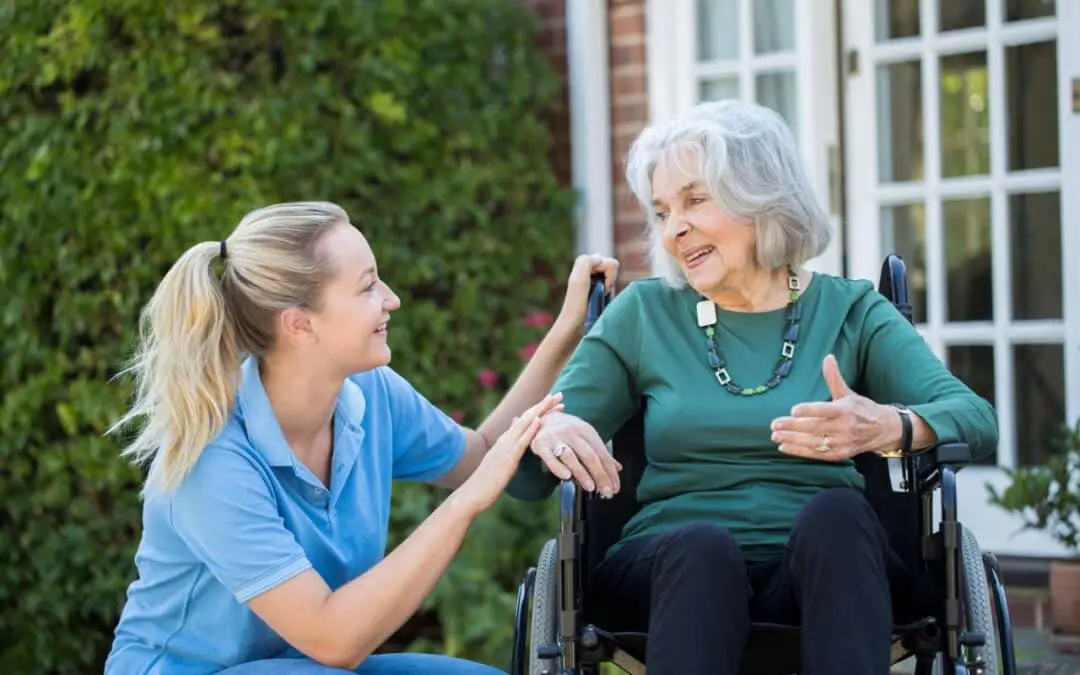
As the population ages, families and caregivers are increasingly seeking ways to support older adults who wish to remain independent while ensuring their safety and dignity. Privacy friendly elder care technology offers innovative solutions that balance effective monitoring with respect for personal boundaries. These systems are designed to provide peace of mind without invasive surveillance, making them ideal for seniors who value autonomy and privacy in their own homes.
Understanding the options available can help families make informed decisions and choose tools that align with their loved ones’ needs and preferences. In this article, we’ll explore the latest advancements in privacy-conscious elder care devices, discuss how they work, and provide practical guidance for selecting the right technology for a safe and respectful living environment.
For those interested in how data from these systems can inform care decisions, senior health insights from monitoring data provide valuable perspectives on using non-intrusive monitoring to support well-being.
Understanding Privacy-Conscious Monitoring Solutions
Traditional monitoring tools, such as cameras and microphones, can feel intrusive and raise concerns about constant surveillance. In contrast, privacy friendly elder care technology leverages non-visual, non-audio sensors and smart algorithms to detect activity patterns, falls, or emergencies without capturing personal images or conversations. This approach helps maintain a sense of dignity and trust between seniors and their caregivers.
Common types of privacy-focused monitoring include:
- Motion sensors that detect movement in specific areas, alerting caregivers if a senior leaves their bed at night or enters potentially hazardous zones.
- Pressure mats placed under mattresses or rugs to monitor when someone gets up or moves around.
- Door and window sensors to track entries and exits, reducing the risk of wandering.
- Wearable devices that monitor location or vital signs without constant video or audio recording.
These technologies are designed to blend into daily life, providing safety nets while minimizing the feeling of being watched.
Benefits of Non-Intrusive Elder Care Devices
Choosing privacy-respecting solutions offers several advantages for both seniors and their families:
- Preserves dignity: Seniors can maintain their independence and sense of self without feeling surveilled.
- Reduces stress: Families gain reassurance that their loved ones are safe, while seniors avoid the anxiety that can come from invasive monitoring.
- Supports aging in place: With discreet alerts and notifications, older adults can remain in their own homes longer, delaying or avoiding institutional care.
- Customizable alerts: Many systems allow caregivers to set personalized thresholds and notifications, ensuring the right balance between oversight and autonomy.
For those interested in the future of home automation for seniors, the article on future smart homes for seniors explores how emerging technologies are making independent living safer and more comfortable.
Key Features to Look for in Privacy-Focused Elder Care Tech
When evaluating options, consider the following features to ensure the chosen system aligns with privacy and safety goals:
- No cameras or microphones: Opt for solutions that use motion, pressure, or environmental sensors instead of video or audio recording.
- Data security: Ensure that any collected data is encrypted and stored securely, with clear policies on who can access it.
- Customizable settings: Look for devices that allow users to adjust sensitivity, notification types, and alert recipients.
- Easy installation and use: Choose products that are simple to set up and maintain, especially for seniors living alone.
- Integration with other smart home devices: Some systems can work alongside existing alarms, lights, or medical alert buttons for a comprehensive safety net.
For a deeper look at how these systems work without cameras, see this guide to tech without cameras that explains the advantages of sensor-based monitoring.
Popular Types of Discreet Monitoring Devices
Several categories of privacy friendly elder care technology are gaining popularity in homes and care facilities:
- Bed and chair alarms: These devices alert caregivers if a senior leaves their bed or chair unexpectedly, helping prevent falls or wandering.
- Wireless motion detectors: Placed in hallways, bathrooms, or near exits, these sensors send notifications if unusual movement is detected, such as nighttime wandering.
- Smart door sensors: These can notify family members if a door is opened during restricted hours, offering peace of mind for those at risk of leaving the home unsupervised.
- Activity trackers: Wearable devices can monitor steps, heart rate, and even detect falls, all without recording video or audio.
For those seeking more information on how these devices support daily routines, the article on monitoring daily living activities provides insights into maintaining independence with minimal intrusion.
How to Choose the Right Solution for Your Loved One
Selecting the best privacy-conscious monitoring system depends on several factors:
- Level of mobility and cognitive function: Assess whether the senior is at risk of falls, wandering, or forgetting daily routines.
- Home layout: Consider which areas need monitoring, such as bedrooms, bathrooms, or exits.
- Comfort with technology: Some older adults may prefer simple, unobtrusive devices, while others are open to more advanced solutions.
- Caregiver availability: Choose systems that provide timely alerts to the right people, whether family members or professional caregivers.
It’s also helpful to involve the senior in the decision-making process, ensuring they understand how the system works and feel comfortable with its presence in their home. For more on empowering seniors with helpful devices, see smart assistance for elderly independence.
Balancing Safety and Privacy: Best Practices
Implementing privacy friendly elder care technology is most effective when combined with open communication and clear boundaries. Here are some best practices:
- Discuss expectations: Talk with your loved one about what will be monitored and why, addressing any concerns about privacy.
- Limit data collection: Use only the features necessary for safety, and avoid storing unnecessary personal information.
- Review alerts regularly: Make sure notifications are timely and actionable, and adjust settings as needs change.
- Stay informed: Keep up with new developments in elder care technology to ensure your system remains effective and respectful.
For insights into the latest breakthroughs in this field, the article on next generation elder care technology highlights cutting-edge trends and solutions.
FAQ: Privacy and Safety in Elder Care Technology
What makes a monitoring system privacy-friendly?
Privacy-respecting systems avoid cameras and microphones, instead relying on motion, pressure, or environmental sensors. They focus on detecting activity patterns or emergencies without recording personal images or conversations, ensuring dignity and autonomy for seniors.
Can privacy-focused devices still provide effective alerts?
Yes, these devices are designed to detect unusual activity, such as falls or wandering, and send timely notifications to caregivers. Many offer customizable alert settings to match the specific needs of each household.
How do I ensure my loved one’s data is secure?
Choose products from reputable manufacturers that use encryption and clear data privacy policies. Always review who has access to the information and how it is stored or shared.
Are these technologies difficult to install?
Most privacy-friendly elder care devices are designed for easy installation, often requiring no professional setup. Wireless sensors and plug-and-play systems are common, making them accessible for most families.
Where can I learn more about non-intrusive monitoring solutions?
Resources such as the guide to tech without cameras provide detailed explanations of how sensor-based monitoring works and its benefits for elder care.