

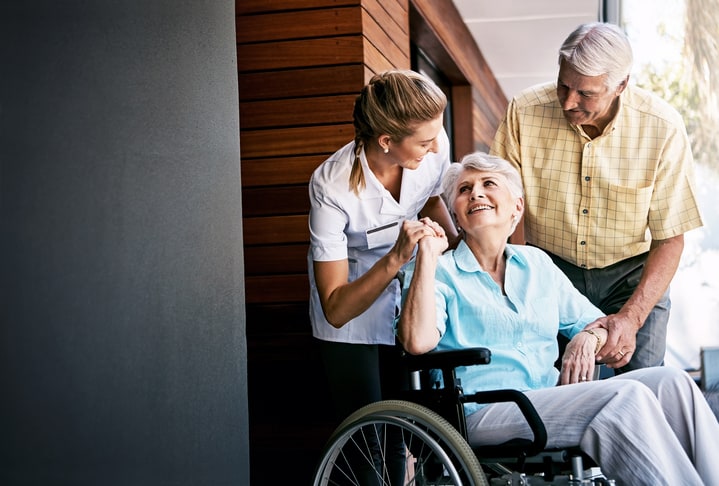
For families and professionals supporting older adults or individuals with special needs, real time alerts for caregivers have become a vital tool. These instant notifications help ensure safety and peace of mind, especially when direct supervision isn’t always possible. With the help of smart devices and monitoring systems, caregivers can respond quickly to emergencies, prevent accidents, and support independent living.
The landscape of caregiving is evolving rapidly. Technology now enables caregivers to receive immediate updates about falls, wandering, or changes in daily routines. This guide explores how these systems work, their benefits, and how to choose the right solution for your unique situation. For those interested in broader trends, our article on future smart homes for seniors highlights how automation is shaping elder care.
Understanding Instant Notification Systems
Modern notification platforms for caregivers use a combination of sensors, wireless networks, and mobile apps to deliver alerts in real time. These systems are designed to detect specific events—such as a fall, a door opening, or unusual inactivity—and immediately notify the caregiver via smartphone, tablet, or dedicated receiver.
There are several types of alert systems available, including:
- Bed and chair alarms that detect when someone gets up unexpectedly.
- Motion sensors for tracking movement in and out of rooms or the home.
- Wearable devices with emergency call buttons and fall detection.
- Environmental sensors for monitoring temperature, smoke, or water leaks.
These technologies work together to provide a comprehensive safety net, allowing caregivers to intervene before a minor incident becomes a serious emergency.
Key Benefits of Real Time Alerts for Caregivers
The primary advantage of instant notifications is the ability to act quickly. Here are some of the most significant benefits:
- Rapid response to emergencies: Immediate alerts help caregivers respond to falls, wandering, or health crises as soon as they occur.
- Reduced stress and anxiety: Knowing that you’ll be notified of any issues allows both caregivers and care recipients to feel more secure.
- Support for independent living: Seniors and individuals with disabilities can maintain more autonomy, knowing help is always close at hand.
- Better health outcomes: Timely intervention can prevent complications from falls or missed medications.
- Peace of mind for families: Relatives who live far away can stay connected and informed about their loved one’s well-being.
For more insights into how monitoring data can improve care, see our article on senior health insights from monitoring data.
How These Systems Work in Daily Care
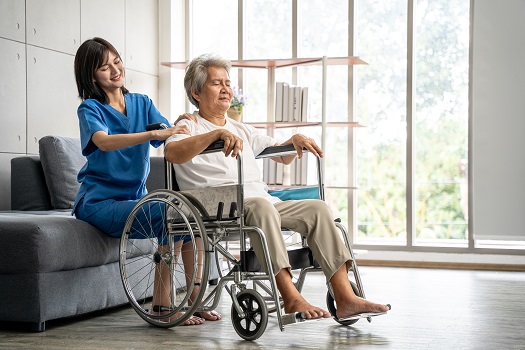
In everyday caregiving, real time alert systems can be tailored to the needs of the individual. For example, a bed alarm can notify a caregiver if a person at risk of falling tries to get up during the night. Motion sensors placed near exits can alert family members if someone with dementia attempts to leave the house.
Wearable devices are especially valuable for those who are mobile but may be prone to falls or confusion. These gadgets often include GPS tracking, allowing caregivers to locate a person quickly if they wander. Some systems even integrate with smart home technology, automatically turning on lights or locking doors when certain conditions are met.
For a deeper look at how technology is enhancing independence, our guide to smart assistance for elderly independence covers helpful gadgets and their practical benefits.
Choosing the Right Alert Solution
Selecting the best notification system depends on several factors:
- Type of risk: Consider whether the main concern is falls, wandering, medication reminders, or environmental hazards.
- Living environment: Some devices are better suited for private homes, while others are designed for assisted living or group settings.
- Ease of use: Look for systems with simple setup and intuitive controls, especially for older adults who may not be tech-savvy.
- Connectivity: Reliable Wi-Fi or cellular coverage is essential for real time notifications.
- Integration: Some platforms can connect with other smart home devices or health monitoring tools for a more comprehensive approach.
It’s also important to consider privacy and data security. Make sure any system you choose complies with relevant regulations and keeps personal information safe.
Integrating Real Time Alerts Into a Broader Care Strategy
While instant notifications are powerful, they work best as part of a holistic approach to care. Combining these systems with regular health monitoring, medication management, and social engagement creates a safer and more supportive environment.
For those interested in the next generation of home care, our overview of AI driven senior wellness solutions explores how artificial intelligence is making home care smarter and more proactive.
It’s also important to involve the person receiving care in decisions about technology. Discussing preferences and concerns helps ensure that monitoring tools are used respectfully and effectively.
Evidence and Research on Caregiver Notification Systems
Research supports the value of real time alert systems in reducing risks and improving outcomes. According to a recent study on smart home monitoring for older adults, these technologies can significantly decrease the likelihood of serious incidents and help caregivers manage stress.
As more families turn to technology for support, the market for these solutions continues to grow. Innovations in sensor accuracy, battery life, and integration with healthcare providers are making these tools even more effective.
Common Challenges and How to Overcome Them
Despite the benefits, some caregivers face challenges when implementing instant notification systems. Common issues include:
- False alarms: Sensitivity settings may need adjustment to prevent unnecessary notifications.
- Technical difficulties: Reliable internet and device compatibility are crucial for consistent performance.
- User acceptance: Some individuals may feel uncomfortable with monitoring; clear communication and consent are essential.
Choosing reputable products, providing training, and regularly reviewing system performance can help address these concerns.
FAQ: Real Time Alerts and Caregiver Safety
How do real time alert systems notify caregivers?
Most systems send notifications through smartphone apps, text messages, or dedicated receivers. Some can also trigger audible alarms in the home. The goal is to reach the caregiver immediately, wherever they are.
Are these alert systems difficult to install?
Many modern devices are designed for easy setup, often requiring only a few steps to connect sensors and download an app. Some systems may require professional installation, especially if they integrate with existing home automation.
Can these systems be used in assisted living or group homes?
Yes, many solutions are scalable and can be adapted for use in larger care environments. Features such as multiple user accounts and centralized dashboards make it easier for staff to monitor several residents at once.
What other technologies can complement real time alerts?
Combining instant notifications with real time home monitoring for seniors and other smart devices can enhance safety and support a more independent lifestyle.
As technology continues to advance, real time alerts for caregivers will play an even greater role in supporting safe, independent living for seniors and vulnerable individuals. By choosing the right system and integrating it thoughtfully into a care plan, families and professionals can provide better support and peace of mind.