

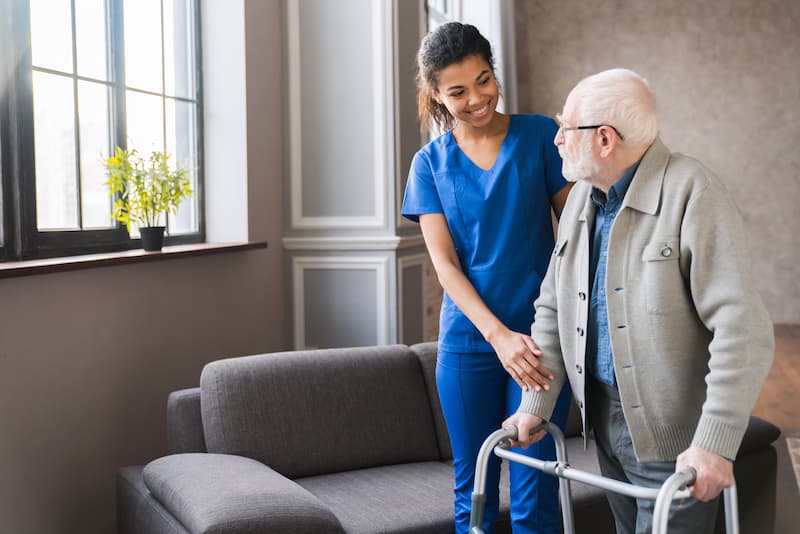
As the population ages, ensuring the safety and well-being of older adults becomes a top priority for families and caregivers. Real time senior safety notifications have emerged as a practical solution, providing immediate alerts when a senior needs assistance or when unusual activity is detected. These systems are transforming how we monitor, respond to, and support seniors living independently or in assisted care environments.
From fall detection to wandering prevention, instant alerts help reduce response times and provide peace of mind. This article explores how these technologies work, their benefits, and how to choose the right system for your loved one or care facility. For those interested in broader trends, you can also learn about senior health insights from monitoring data to stay informed about the latest advancements in elder care.
How Instant Alerts Work for Senior Safety
Modern safety systems for seniors use a combination of sensors, wearable devices, and smart home technology to monitor daily activities. When a potential risk is detected—such as a fall, prolonged inactivity, or an attempt to leave a safe area—the system immediately sends a notification to caregivers, family members, or emergency services. This rapid response can make a significant difference in outcomes, especially in time-sensitive situations.
Key components of these systems include:
- Wearable devices with fall detection and emergency buttons
- Motion sensors placed in strategic locations
- Door and window alarms for wandering prevention
- Mobile apps and cloud platforms for remote monitoring
Many solutions also integrate with broader smart home setups, as seen in guides about future smart homes for seniors, allowing for seamless automation and control.
Benefits of Real-Time Alerts for Elderly Care
Implementing real time senior safety notifications offers several advantages for both seniors and their support networks:
- Faster emergency response: Immediate alerts help caregivers act quickly, reducing the risk of complications from falls or medical events.
- Increased independence: Seniors can maintain autonomy while knowing help is always available if needed.
- Peace of mind for families: Loved ones receive updates and can check in remotely, easing anxiety about a senior’s well-being.
- Proactive care: Early detection of changes in routine or health can prompt timely interventions.
For those interested in enhancing independence, consider exploring smart assistance for elderly independence to discover helpful gadgets and solutions.
Types of Notification Systems for Seniors
There are several categories of alert systems designed to meet different needs and living arrangements:
- Personal emergency response systems (PERS): Wearable pendants or wristbands with a help button, often featuring automatic fall detection.
- Home monitoring solutions: Devices that track movement, door usage, and even appliance activity to identify unusual patterns.
- Environmental sensors: Smoke, carbon monoxide, and flood detectors that send alerts if dangerous conditions are detected.
- Wandering prevention: Door and window alarms or GPS trackers for seniors with dementia or Alzheimer’s.
Some systems are designed for individual use, while others are tailored for group settings like assisted living facilities. For a closer look at how these technologies are evolving, see the article on AI driven senior wellness solutions.
Choosing the Right Real-Time Notification Solution
Selecting the best system depends on several factors:
- Level of mobility: Seniors with limited mobility may benefit from automatic fall detection and voice-activated devices.
- Cognitive health: Individuals with memory challenges may need wandering prevention and location tracking.
- Living environment: Homeowners might prefer integrated smart home solutions, while those in care facilities may need centralized monitoring.
- Ease of use: Devices should be simple to operate, with clear instructions and minimal maintenance.
- Privacy and security: Look for systems that prioritize data protection and allow users to control who receives notifications. For more on privacy in elder care, review this privacy-first elder care monitoring systems overview.
It’s also important to consider whether the system offers support for multiple caregivers, integrates with mobile devices, and provides reliable customer service.
Integrating Real-Time Alerts with Home Monitoring
Combining real time senior safety notifications with broader home monitoring can create a comprehensive safety net. Systems now offer features like:
- Automatic notifications for medication schedules
- Activity tracking to identify changes in routine
- Remote access for family and healthcare providers
- Integration with voice assistants and smart home controls
For those interested in a more connected approach, real time home monitoring for seniors provides further insights into building a safe and responsive living environment.
Common Challenges and Solutions
While the benefits are clear, there are some challenges to consider:
- False alarms: Sensitivity settings may need adjustment to avoid unnecessary alerts.
- Technology adoption: Some seniors may be hesitant to use new devices. Providing training and choosing user-friendly products can help.
- Connectivity issues: Reliable internet or cellular service is essential for real-time notifications to function properly.
- Cost: Prices vary, but there are options for different budgets and needs.
Addressing these challenges early ensures a smoother experience and maximizes the benefits of instant alerts.
FAQ: Real-Time Alerts for Senior Safety
What types of events can trigger a real-time alert?
Most systems can detect falls, inactivity, wandering, door openings, and environmental hazards like smoke or carbon monoxide. Some also allow for manual alerts via wearable buttons.
Are these systems suitable for seniors living alone?
Yes, many solutions are designed specifically for independent living, providing peace of mind for both seniors and their families. They can be customized to fit individual needs and living arrangements.
How do I ensure my loved one’s privacy is protected?
Choose systems that offer clear privacy policies, data encryption, and user controls over who receives notifications. For more details, review resources on privacy-first elder care monitoring systems.
Can real-time notifications be integrated with other smart home devices?
Many modern solutions support integration with smart home platforms, allowing for automation, voice control, and centralized monitoring through apps or web dashboards.
Conclusion
Instant alerts are reshaping how we care for older adults, offering timely support and reassurance. By choosing the right system and addressing potential challenges, families and caregivers can create a safer, more responsive environment for seniors. As technology continues to advance, these tools will only become more effective and accessible, helping seniors maintain independence while staying protected.