


For many older adults and their families, frequent hospitalizations can be both stressful and disruptive. As people age, managing chronic conditions, mobility challenges, and medication routines becomes increasingly important. Fortunately, advances in technology and proactive health management are making it possible to reduce hospital visits through monitoring at home. By using modern tools and attentive care strategies, seniors can enjoy greater independence while minimizing emergency trips to the hospital.
This guide explores practical ways to support seniors in staying healthy and safe at home. We’ll look at how monitoring devices, regular check-ins, and smart home solutions can help detect issues early, prevent complications, and provide peace of mind for both older adults and their loved ones. For those interested in exploring more technology options, our resource on smart assistance for elderly independence covers additional helpful gadgets.
Why Hospitalizations Are Common Among Seniors
Older adults are more likely to be hospitalized due to chronic illnesses, falls, medication errors, and sudden changes in health. Common reasons include heart disease, diabetes complications, respiratory issues, and infections. Additionally, cognitive decline or mobility limitations can make it harder to recognize symptoms early, leading to delayed treatment and emergency care.
Preventing unnecessary hospital stays is not just about comfort—it’s also about reducing risks. Hospital environments can expose seniors to infections, confusion, and loss of independence. That’s why proactive monitoring and early intervention are essential.
How Home Monitoring Helps Prevent Hospital Visits
Implementing monitoring solutions at home can make a significant difference in senior health outcomes. These systems range from simple daily check-ins to advanced devices that track vital signs or detect movement. Here are some of the most effective ways monitoring can help:
- Early Detection: Devices that monitor blood pressure, glucose, or oxygen levels can alert caregivers to changes before they become emergencies.
- Fall Prevention: Motion sensors and bed alarms notify family or caregivers if a senior gets up unexpectedly, reducing the risk of falls.
- Medication Reminders: Automated pill dispensers and reminder apps help ensure medications are taken correctly and on time.
- Remote Support: Telehealth and video check-ins allow healthcare professionals to assess and advise without a trip to the clinic.
For a deeper dive into how technology is transforming elder care, see our article on digital transformation in senior care.
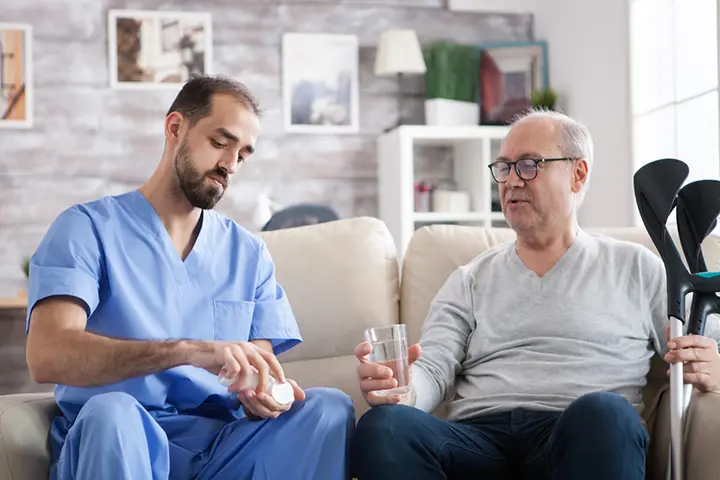
Key Technologies for Reducing Hospital Visits
Modern monitoring tools are designed to be user-friendly and minimally invasive. Here are several options that can help seniors stay safe and healthy at home:
- Wearable Health Trackers: Devices that track heart rate, activity, and sleep patterns can alert caregivers to unusual changes.
- Smart Home Sensors: Motion detectors, door sensors, and bed alarms provide real-time alerts if a senior leaves their bed or home unexpectedly.
- Medical Alert Systems: These devices allow users to call for help with the press of a button, ensuring rapid response in emergencies.
- Remote Vital Sign Monitors: Blood pressure cuffs, pulse oximeters, and glucose meters that transmit data to caregivers or healthcare providers.
For those seeking more advanced solutions, our overview of automated elder care solutions highlights hands-free safety technologies.
Benefits of Proactive Monitoring for Seniors
The main advantage of using monitoring systems is the ability to catch health issues before they escalate. This approach offers several benefits:
- Improved Quality of Life: Seniors can remain in familiar surroundings, maintaining their routines and independence.
- Peace of Mind: Family members and caregivers receive timely updates and alerts, reducing anxiety about a loved one’s well-being.
- Lower Healthcare Costs: Avoiding unnecessary hospitalizations helps control medical expenses and reduces the strain on healthcare systems.
- Faster Response: Immediate alerts enable quick intervention, which can be critical in emergencies like falls or sudden illness.
A thoughtful approach to reducing hospital visits through monitoring can also help seniors manage chronic conditions more effectively and avoid complications.
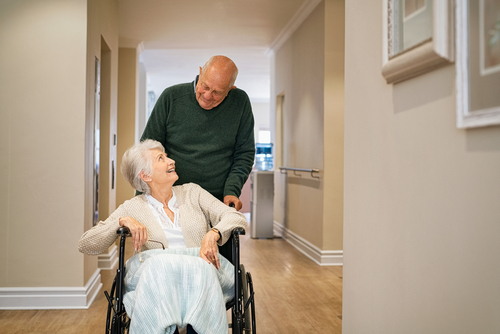
Privacy and Security Considerations
While monitoring technology offers many benefits, privacy is a key concern for seniors and their families. It’s important to choose systems that respect personal boundaries and handle data securely. Some modern solutions are specifically designed to prioritize privacy, using non-intrusive sensors and secure data transmission. For more on this topic, see the monitoring system for seniors that puts privacy first article.
Always discuss new monitoring tools with the senior involved, explaining how the technology works and what information is collected. Transparency and consent are essential for building trust and ensuring a positive experience.
Tips for Implementing Monitoring at Home
Successfully introducing monitoring devices and routines requires planning and open communication. Here are some practical steps:
- Assess Needs: Consider the senior’s health conditions, mobility, and daily routines to determine which tools are most appropriate.
- Start Simple: Begin with basic solutions like medication reminders or motion sensors, then add more advanced devices as needed.
- Involve the Senior: Engage the older adult in the decision-making process to ensure comfort and acceptance.
- Train Caregivers: Make sure family members and caregivers know how to use the devices and respond to alerts.
- Review Regularly: Periodically evaluate the effectiveness of the monitoring setup and make adjustments as health needs change.
For additional ideas on staying connected and safe, our article on digital health tools for older adults provides more recommendations.
Integrating Monitoring With Professional Care
Monitoring technology is most effective when combined with regular medical care and professional support. Telehealth appointments, nurse visits, and care coordination can all complement home-based monitoring. Sharing data from monitoring devices with healthcare providers allows for more informed decisions and personalized care plans.
Some systems also integrate with elderly incident detection systems, providing rapid response in case of emergencies. This layered approach ensures that seniors receive timely help when it matters most.
Frequently Asked Questions
- What types of monitoring devices are best for seniors living alone?
- The most effective options include medical alert systems, motion sensors, and wearable health trackers. These tools provide immediate alerts in case of falls or health changes, making them ideal for those who spend significant time alone.
- How can monitoring help reduce hospital admissions for chronic conditions?
- By tracking vital signs and symptoms daily, caregivers and healthcare professionals can identify problems early and adjust treatment before complications arise. This proactive approach helps manage chronic illnesses and prevents emergencies.
- Are monitoring systems difficult for seniors to use?
- Many modern devices are designed for simplicity, with large buttons, clear displays, and automatic alerts. Involving the senior in setup and providing training can further ease the transition.
Conclusion
Reducing the need for hospital visits is possible with the right combination of monitoring technology, proactive care, and open communication. By leveraging modern tools and staying attentive to changes in health, seniors can remain safe and independent at home. Families and caregivers benefit from greater peace of mind, knowing that help is always within reach.