

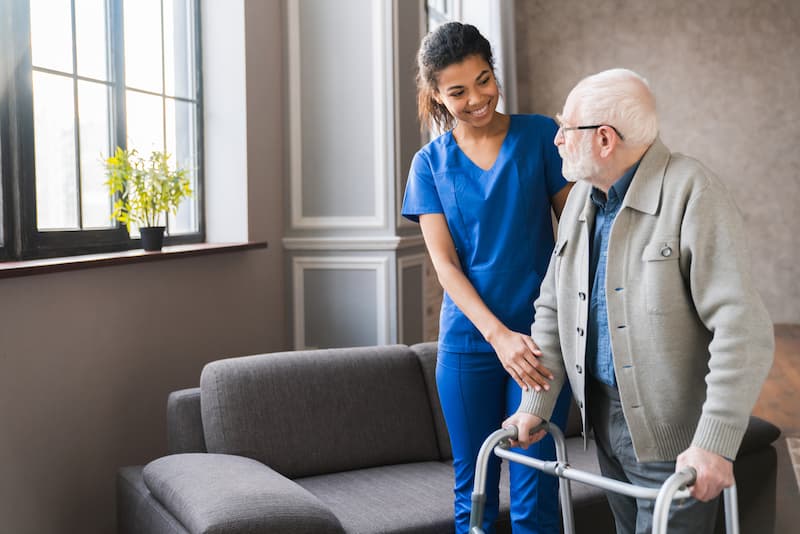
As the global population ages, the need for advanced solutions that support independent living and safety for older adults is more important than ever. Intelligent monitoring systems for seniors are transforming the way families and caregivers approach home safety, health tracking, and daily support. These smart home technologies offer peace of mind, enabling seniors to remain in their own homes longer while ensuring their well-being is closely monitored.
From discreet sensors that detect movement to real-time alerts for caregivers, these systems are designed to address the unique challenges faced by older adults. They not only enhance safety but also promote autonomy and dignity. In this guide, we’ll explore how these innovative solutions work, their key features, and what to consider when choosing the right system for your loved one.
For those seeking a broader look at how technology empowers older adults, our resource on smart assistance for elderly independence provides additional insights into helpful gadgets and solutions.
How Smart Home Monitoring Enhances Senior Safety
Modern intelligent monitoring systems for seniors integrate a variety of sensors, cameras, and connected devices to create a secure environment. These systems monitor daily activities, detect unusual patterns, and send instant notifications to caregivers or family members if something seems amiss. This proactive approach can help prevent accidents, respond quickly to emergencies, and support seniors who wish to age in place.
- Motion sensors track movement in key areas, alerting caregivers if a senior has not moved for an extended period or if there is unexpected activity at night.
- Door and window sensors help prevent wandering, especially for those with dementia or memory loss.
- Fall detection technology can automatically notify emergency contacts if a fall is suspected, even if the individual is unable to call for help.
- Environmental sensors monitor for hazards such as smoke, carbon monoxide, or extreme temperatures, ensuring prompt action in dangerous situations.
By combining these features, smart home systems provide a comprehensive safety net that adapts to the needs of each individual.
Key Features of Advanced Monitoring Solutions
When evaluating intelligent monitoring systems for seniors, it’s important to consider the range of features offered. The most effective solutions are those that balance robust safety tools with user-friendly interfaces and respect for privacy.
- 24/7 monitoring with real-time alerts via smartphone apps or web dashboards.
- Customizable notifications allow caregivers to set specific thresholds for activity, inactivity, or environmental changes.
- Integration with medical devices such as blood pressure monitors or medication dispensers for holistic health management.
- Voice assistant compatibility for hands-free control and accessibility.
- Privacy controls to ensure that video and audio feeds are only accessible by authorized users.
Some systems also offer advanced analytics, learning the daily routines of residents and flagging deviations that may indicate a problem. This predictive capability can be invaluable in preventing incidents before they escalate.
Choosing the Right System for Your Needs
Every senior has unique requirements, so selecting the most suitable monitoring setup involves careful consideration. Here are some factors to keep in mind:
- Level of independence: Consider how much support is needed. Some individuals may only require basic alerts, while others benefit from comprehensive monitoring with fall detection and health tracking.
- Home layout: The size and structure of the home can influence the number and type of sensors required for full coverage.
- Ease of use: Look for systems with intuitive interfaces, especially if the senior will interact directly with the technology.
- Integration: Choose solutions that can connect with other smart devices or health platforms for a seamless experience.
- Privacy and security: Ensure that data is encrypted and that access controls are in place to protect sensitive information.
Reading reviews and consulting with healthcare professionals can also help in making an informed decision. For more on this topic, our article on real time home monitoring for seniors explores instant update solutions and their benefits.
Benefits Beyond Safety: Independence and Peace of Mind
While the primary goal of these smart home technologies is to enhance safety, they also offer significant emotional and practical benefits. Seniors can maintain their independence, continue familiar routines, and enjoy a greater sense of control over their environment. Family members and caregivers, meanwhile, gain reassurance that their loved ones are safe, even when they can’t be physically present.
Some additional advantages include:
- Reduced caregiver stress thanks to automated alerts and remote monitoring.
- Faster emergency response in the event of falls or health incidents.
- Improved health outcomes through early detection of changes in daily patterns or physical condition.
- Enhanced social connection when systems integrate with communication tools or reminders for social activities.
For those interested in the broader impact of technology on elder care, our guide on digital transformation in senior care highlights how modern tech is reshaping the industry.
Privacy and Ethical Considerations in Senior Monitoring
As these systems become more sophisticated, concerns about privacy and autonomy are increasingly important. Seniors and their families should have clear conversations about what is being monitored, who has access to the data, and how that information is used. Opting for solutions with robust privacy controls and transparent data policies is essential.
For a deeper look at privacy-first approaches in elder care technology, see this overview of privacy-first elder care monitoring systems that emphasizes safer assisted living environments.
Integrating Smart Monitoring with Other Elder Care Technologies
Combining intelligent monitoring systems for seniors with other digital tools can create a holistic support network. For example, pairing monitoring solutions with digital health tools for older adults enables better management of chronic conditions and medication adherence. Automated lighting, voice assistants, and emergency call buttons can further enhance safety and convenience.
Many families find that a layered approach—using both monitoring and assistive devices—offers the best balance between independence and support. As technology continues to evolve, the integration of artificial intelligence and predictive analytics is expected to make these systems even more responsive and personalized.
FAQ
What types of sensors are commonly used in smart home monitoring for seniors?
Most systems use a combination of motion sensors, door/window contacts, fall detectors, and environmental monitors (such as smoke or carbon monoxide sensors). Some also integrate with wearable devices or medical equipment for more comprehensive tracking.
How do these systems protect the privacy of older adults?
Reputable solutions offer encrypted data transmission, user authentication, and customizable privacy settings. Seniors and families can control who accesses video feeds or receives alerts, ensuring sensitive information remains secure.
Can these monitoring systems be installed in any home?
Yes, most modern systems are designed for flexible installation and can be adapted to different home layouts. Wireless options are available for easy setup without extensive wiring or renovations.
Are there options for real-time updates and alerts?
Absolutely. Many platforms provide instant notifications to caregivers or family members via mobile apps, text messages, or email, ensuring timely responses to any unusual activity or emergencies.
What if a senior is uncomfortable with cameras in their home?
There are many solutions that rely solely on non-intrusive sensors, such as motion or pressure pads, without using cameras. This allows for effective monitoring while maintaining privacy and comfort.