

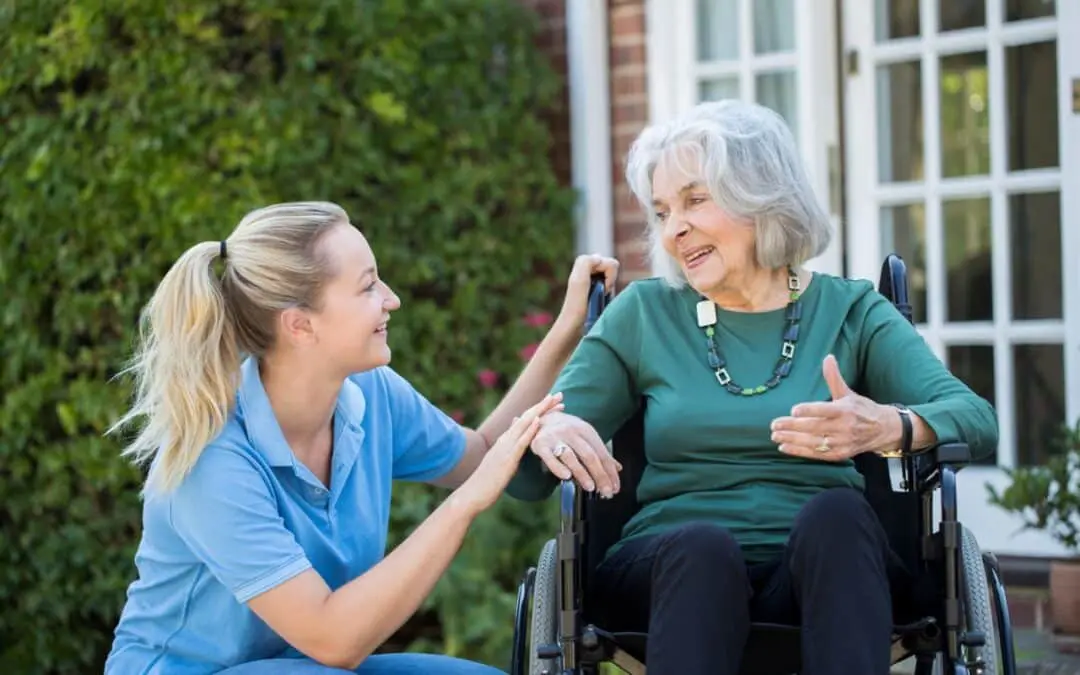
As the global population ages, families and caregivers are increasingly turning to senior behavior monitoring technology to help protect loved ones and provide peace of mind. These innovative systems use discreet sensors, smart devices, and intelligent software to track daily activities, detect unusual patterns, and alert caregivers to potential emergencies. By enabling early intervention and supporting independent living, these solutions are transforming elder care both at home and in professional settings.
Understanding how these monitoring tools work and the benefits they offer is essential for anyone responsible for the well-being of older adults. In this article, we’ll explore the core features of modern monitoring systems, real-world applications, and how such technology is making a measurable difference in senior safety and quality of life.
For those interested in how data from these systems can inform care decisions, senior health insights from monitoring data can provide valuable perspectives on trends and best practices.
What Is Senior Behavior Monitoring Technology?
At its core, senior behavior monitoring technology refers to a suite of devices and software designed to observe and analyze the daily routines of older adults. Unlike traditional security cameras, these systems often use non-intrusive sensors placed around the home or care facility. They track movement, sleep patterns, bathroom visits, and other activities of daily living, building a baseline of what’s “normal” for each individual.
When a deviation from typical behavior occurs—such as a missed meal, prolonged inactivity, or repeated nighttime wandering—the system can send alerts to caregivers or family members. This proactive approach enables faster responses to falls, medical emergencies, or cognitive changes that might otherwise go unnoticed.
Key Features and Types of Monitoring Solutions
Modern monitoring solutions come in various forms, each offering unique benefits:
- Motion Sensors: Detect movement in specific rooms or hallways, helping to identify falls or wandering.
- Bed and Chair Alarms: Alert caregivers if a senior leaves their bed or chair unexpectedly, which can be crucial for fall prevention.
- Wearable Devices: Track location, vital signs, and can include emergency call buttons for immediate help.
- Environmental Sensors: Monitor temperature, humidity, or even stove usage to prevent accidents.
- AI-Powered Analytics: Use data to learn individual routines and flag subtle changes that may indicate health issues.
Some systems, such as those highlighted in the latest advancements in privacy-focused monitoring, operate without cameras, respecting personal dignity while still providing robust oversight.

How Monitoring Systems Save Lives
The primary benefit of these technologies is their ability to provide timely alerts and actionable information, which can be life-saving in many scenarios. Here’s how:
- Rapid Fall Detection: Immediate notification of a fall allows for faster medical attention, reducing the risk of complications such as dehydration or pressure sores.
- Wandering Prevention: For seniors with dementia or Alzheimer’s, motion sensors and door alarms can prevent dangerous wandering episodes.
- Health Trend Analysis: By tracking daily habits, caregivers can spot early signs of illness, such as increased bathroom visits or changes in sleep patterns.
- Medication Adherence: Some systems remind users to take medication or alert caregivers if doses are missed, helping to prevent adverse health events.
These features not only safeguard seniors but also reduce stress for families and professional caregivers, knowing that help can be summoned quickly if something goes wrong.
Real-World Applications in Home and Facility Care
Behavior monitoring tools are being adopted in both private homes and assisted living facilities. In home settings, they empower older adults to maintain independence while keeping family members informed. In care facilities, staff can monitor multiple residents efficiently, prioritizing interventions where they’re needed most.
For example, a bed alarm might alert staff if a resident at risk of falling attempts to get up alone at night. Motion sensors in hallways can help prevent nighttime wandering, while data analytics can identify residents whose routines are changing, signaling a need for further assessment.
To further support independence, many families combine monitoring with smart assistance for elderly independence tools, such as voice-activated reminders and automated lighting.

Privacy, Security, and Ethical Considerations
While the benefits are significant, privacy remains a top concern. Many families and seniors prefer systems that do not use cameras, instead relying on motion or pressure sensors. Data security is also crucial—personal information must be protected from unauthorized access.
Ethical use of monitoring requires transparency and consent. Seniors should be involved in decisions about which technologies are used in their homes, and caregivers must respect individual preferences and dignity.
For those considering future upgrades, exploring future smart homes for seniors can offer insights into how automation and monitoring will continue to evolve.
Choosing the Right Solution for Your Needs
Selecting the best monitoring system depends on several factors:
- Level of Independence: Some seniors need only basic reminders, while others require comprehensive monitoring.
- Home Layout: The number and placement of sensors should match the living environment.
- Integration with Other Devices: Compatibility with medical alert systems or smart home devices can enhance safety.
- Ease of Use: Systems should be simple for both seniors and caregivers to operate and understand.
- Privacy Preferences: Choose solutions that align with the user’s comfort level regarding data collection and monitoring methods.
Consulting with healthcare professionals and reviewing product reviews can help families make informed choices. For those interested in the latest breakthroughs, next generation elder care technology highlights cutting-edge options.
FAQ
How does behavior monitoring differ from traditional medical alert systems?
Traditional medical alert systems typically rely on the user pressing a button during an emergency. In contrast, behavior monitoring solutions use sensors and analytics to detect issues automatically, even if the senior is unable to call for help.
Are these monitoring systems difficult to install and use?
Most modern systems are designed for easy installation, often requiring only wireless sensors and a central hub. Many offer user-friendly apps for caregivers, providing real-time updates and alerts.
Can these technologies help seniors remain independent longer?
Yes, by providing a safety net and early warning for health changes, these tools support independent living while reducing the risk of unnoticed emergencies. They also help families and caregivers balance oversight with respect for autonomy.
What about privacy concerns with monitoring technology?
Many solutions avoid cameras in favor of motion or pressure sensors, protecting privacy while still offering effective monitoring. It’s important to choose systems that prioritize data security and involve seniors in the decision-making process.
In summary, adopting senior behavior monitoring technology can make a profound difference in the lives of older adults and their families. By combining proactive alerts, data-driven insights, and respect for privacy, these systems are setting new standards for safety, dignity, and peace of mind in elder care.