

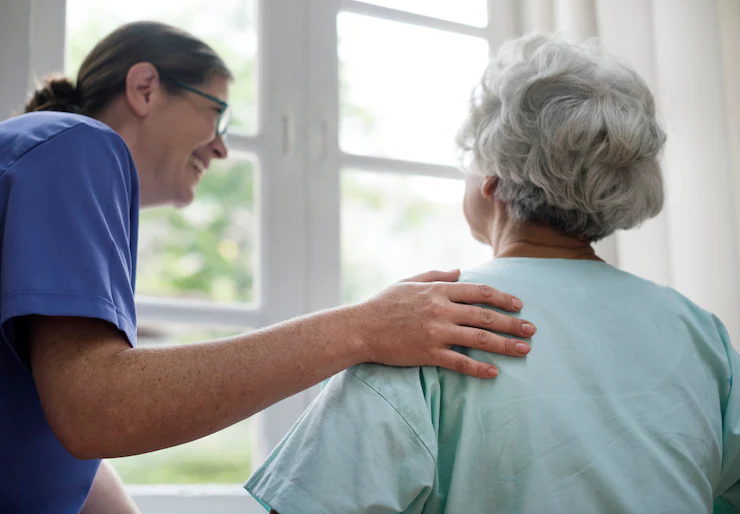
As the global population ages, the demand for effective and accessible healthcare for seniors continues to rise. Telehealth monitoring solutions for elderly have emerged as a vital tool, enabling older adults to receive quality care while maintaining independence at home. These digital health technologies offer real-time monitoring, early detection of health changes, and peace of mind for families and caregivers. In this article, we’ll explore the latest advancements, practical benefits, and key considerations for choosing the right remote health monitoring tools for seniors.
Understanding how remote care technologies support older adults is essential for families, caregivers, and healthcare professionals. For additional insights on how data from these systems can inform wellness strategies, see senior health insights from monitoring data.
How Remote Health Monitoring Empowers Seniors
Modern telehealth monitoring solutions for elderly are designed to bridge the gap between traditional healthcare and the desire for independent living. These systems use a combination of wearable devices, smart sensors, and secure communication platforms to track vital signs, activity levels, medication adherence, and even detect falls or emergencies.
The core benefits include:
- 24/7 Health Tracking: Continuous monitoring of heart rate, blood pressure, glucose levels, and more, with automatic alerts for abnormal readings.
- Early Intervention: Healthcare providers and family members receive timely notifications, allowing for prompt action if a health issue arises.
- Reduced Hospital Visits: Many conditions can be managed remotely, minimizing unnecessary trips to clinics or hospitals.
- Enhanced Independence: Seniors can stay in their own homes longer, with the reassurance that help is available if needed.
For those interested in how smart gadgets can further support autonomy, check out smart assistance for elderly independence.
Key Features of Telehealth Monitoring Systems
When evaluating digital health platforms for seniors, it’s important to consider the features that best match individual needs. Here are some of the most valuable components found in today’s remote care technologies:
- Wearable Devices: Smartwatches, pendants, or patches that track vital signs and movement.
- In-Home Sensors: Devices placed around the home to monitor activity patterns, detect falls, or track room usage.
- Medication Reminders: Automated alerts to help seniors take medications on time.
- Two-Way Communication: Video calls and messaging features that connect users directly with healthcare professionals or family members.
- Data Integration: Secure platforms that compile health data for easy review by doctors and caregivers.
For a deeper look into how daily activities can be tracked to support senior independence, see monitoring daily living activities.
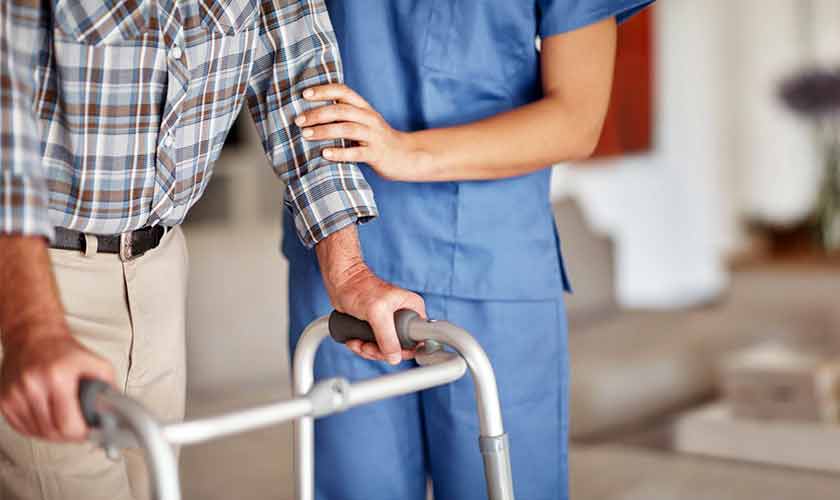
Choosing the Right Technology for Older Adults
Selecting the most suitable telehealth monitoring solutions for elderly depends on several factors, including health conditions, lifestyle, and the level of support needed. Here are some practical steps to guide your decision:
- Assess Needs: Consider chronic illnesses, mobility, cognitive function, and living arrangements.
- Prioritize Ease of Use: Look for intuitive interfaces, large buttons, and clear instructions.
- Check Compatibility: Ensure devices work with existing smartphones, tablets, or home Wi-Fi networks.
- Review Security: Data privacy is essential. Choose platforms with robust encryption and compliance with healthcare regulations.
- Consult Healthcare Providers: Involve doctors or care managers in selecting and setting up the system.
For those exploring the future of connected homes, future smart homes for seniors offers a comprehensive overview of emerging automation and safety features.
Benefits for Families and Caregivers
Remote monitoring technologies not only benefit seniors but also provide significant support for families and professional caregivers. Here’s how:
- Peace of Mind: Real-time alerts and regular updates reduce anxiety about a loved one’s well-being.
- Efficient Communication: Secure messaging and video calls streamline coordination between all parties involved in care.
- Customizable Alerts: Caregivers can set thresholds for specific health metrics and receive notifications tailored to individual needs.
- Data-Driven Decisions: Access to historical health data enables more informed care planning and early intervention.
For a broader perspective on the latest breakthroughs in senior care technology, visit next generation elder care technology.
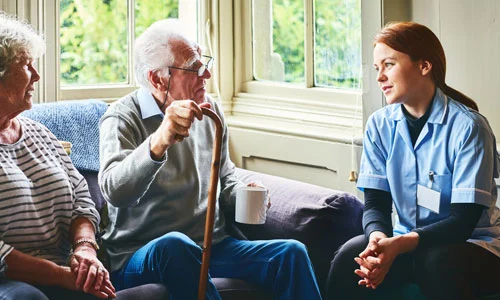
Challenges and Considerations in Remote Elder Care
While the advantages of remote health monitoring are clear, there are also challenges to address:
- Technology Adoption: Some seniors may feel overwhelmed by new devices or digital interfaces. Training and ongoing support are crucial.
- Connectivity Issues: Reliable internet access is required for most systems. Rural or underserved areas may face limitations.
- Cost: Initial investment and subscription fees can be a barrier for some families. It’s important to compare options and check for insurance coverage or community programs.
- Privacy Concerns: Protecting sensitive health data is essential. Always choose solutions that comply with relevant privacy laws and best practices.
For a comprehensive review of how SMART technologies are transforming older adult care, explore this detailed scoping review.
FAQ: Telehealth Monitoring for Seniors
What types of health data can remote monitoring systems track for seniors?
Most platforms can monitor vital signs such as heart rate, blood pressure, blood glucose, oxygen saturation, and temperature. Advanced systems may also track movement, detect falls, monitor sleep patterns, and provide medication reminders.
Are telehealth monitoring solutions easy for elderly users to operate?
Many modern devices are designed with seniors in mind, featuring simple interfaces, large displays, and voice prompts. Initial setup may require assistance, but daily use is typically straightforward with proper training and support.
How secure is the personal health information collected by these systems?
Reputable telehealth platforms use strong encryption and comply with healthcare privacy regulations such as HIPAA. Always verify a provider’s security credentials and privacy policies before choosing a system.
Conclusion
Telehealth monitoring solutions for elderly are reshaping the landscape of senior care, offering a blend of safety, independence, and proactive health management. By understanding the available technologies, their benefits, and potential challenges, families and caregivers can make informed decisions that support the well-being of their loved ones. As digital health continues to evolve, these tools will play an increasingly important role in helping seniors live healthier, more connected lives.