
The landscape of elder care is evolving rapidly, with new innovations emerging to support independence, safety, and well-being for older adults. As the population ages, families and caregivers are increasingly turning to senior care technology trends to address challenges ranging from health monitoring to social connection. Staying informed about the latest advancements can help you make better decisions for your loved ones or clients, ensuring they benefit from the most effective solutions available.
Whether you’re a family member, professional caregiver, or simply interested in the future of aging, understanding these developments is essential. From smart home devices to wearable health trackers, the integration of technology into daily life is transforming how seniors live and receive care. For a deeper dive into how data-driven tools are shaping elder health, explore senior health insights from monitoring data for practical examples and guidance.

Emerging Innovations in Elderly Care
Recent years have seen a surge in creative solutions designed to address the unique needs of older adults. These senior care technology trends are not just about convenience—they’re about empowering seniors to live safely and independently for longer.
- Remote Health Monitoring: Devices that track vital signs, medication adherence, and daily activity are now more accessible than ever. This allows caregivers and healthcare providers to respond quickly to changes in health status.
- Smart Home Integration: Voice-activated assistants, automated lighting, and smart thermostats make daily living easier and safer for seniors, reducing the risk of falls and accidents.
- Wearable Devices: Fitness trackers and emergency alert systems are now designed with older adults in mind, offering features like fall detection and direct communication with caregivers or emergency services.
For those interested in the next wave of breakthroughs, the article on next generation elder care technology highlights some of the most promising developments on the horizon.
Remote Monitoring and Smart Sensors
One of the most impactful trends is the rise of remote monitoring systems and smart sensors. These technologies allow for continuous oversight of a senior’s well-being without being intrusive.
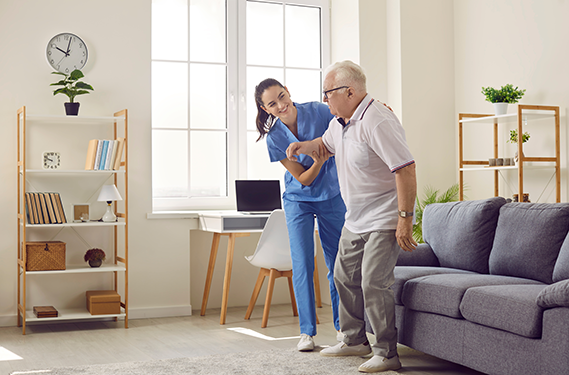
Motion sensors, bed alarms, and door alerts can notify caregivers if a loved one is wandering or at risk of falling. This proactive approach helps prevent accidents and provides peace of mind for families. For example, technology’s impact on senior home care has been significant in reducing emergency incidents and improving response times.
Smart Assistance and Daily Living Support
Modern technology is making it easier for seniors to manage daily routines and maintain independence. Devices such as automated pill dispensers, voice-activated reminders, and smart kitchen appliances are tailored to the needs of older adults. These tools help reduce the risk of missed medications, forgotten appointments, and household accidents.
For a closer look at practical devices that support autonomy, see this guide on smart assistance for elderly independence. These solutions are designed to bridge the gap between full-time care and independent living, allowing seniors to remain in their homes longer.
Telehealth and Virtual Care Solutions
Telehealth has become a cornerstone of modern elder care, especially in the wake of global health challenges. Video consultations, remote diagnostics, and virtual therapy sessions are now standard offerings from many healthcare providers. This approach reduces the need for travel, minimizes exposure to illness, and ensures seniors receive timely medical attention.
Virtual care platforms also facilitate communication between patients, families, and clinicians, making it easier to coordinate care and share important health updates. The integration of telehealth with other smart technologies is expected to continue growing, offering even more comprehensive support for aging populations.
Smart Homes and Automation for Aging in Place
One of the most promising directions in senior care technology trends is the development of fully integrated smart homes. Automated lighting, security systems, and climate control can be managed through simple interfaces or even voice commands. These features not only improve comfort but also enhance safety and accessibility for seniors living alone.
For those considering upgrades to their living environment, the resource on future smart homes for seniors provides a comprehensive overview of available options and how they can be tailored to individual needs.
Data-Driven Insights and Predictive Analytics
Another significant advancement is the use of data analytics to anticipate health issues before they become emergencies. By collecting information from wearables, smart sensors, and health apps, caregivers and medical professionals can identify patterns and intervene early. This proactive approach leads to better outcomes and a higher quality of life for older adults.
For example, monitoring daily living activities can reveal subtle changes in behavior or mobility, prompting timely support. Learn more about this approach in the article on monitoring daily living activities.
Challenges and Considerations in Adopting New Technologies
While the benefits of these innovations are clear, there are also challenges to consider. Privacy concerns, ease of use, and affordability remain top issues for many families. It’s important to choose solutions that are user-friendly and respect the dignity and autonomy of older adults.
Training and support are key to successful adoption. Many providers now offer tutorials, helplines, and in-person assistance to help seniors and caregivers get the most out of new devices and platforms.
FAQ: Senior Care Technology and Modern Solutions
What are the most important features to look for in senior care technology?
Key features include ease of use, reliability, and integration with other devices or services. Look for options that offer real-time alerts, remote monitoring, and strong customer support. Safety features such as fall detection and emergency response are especially valuable.
How can technology help seniors remain independent at home?
Devices like smart sensors, medication reminders, and voice assistants allow older adults to manage daily tasks more easily and safely. These tools can reduce the need for constant supervision, enabling seniors to age in place with confidence.
Are there privacy concerns with remote monitoring systems?
Yes, privacy is an important consideration. Choose products that use encrypted data transmission and allow users to control who has access to their information. Always review privacy policies and discuss any concerns with the provider before installation.
Looking Ahead: The Future of Senior Care Technology
The pace of change in this field shows no signs of slowing. As artificial intelligence, robotics, and smart home integration continue to advance, the possibilities for supporting older adults will expand even further. Staying informed about senior care technology trends ensures that you and your loved ones can benefit from the latest tools for safety, health, and independence.
By embracing these innovations and addressing the associated challenges, families and caregivers can create a more supportive, responsive environment for seniors—one that honors their autonomy and enhances their quality of life.