

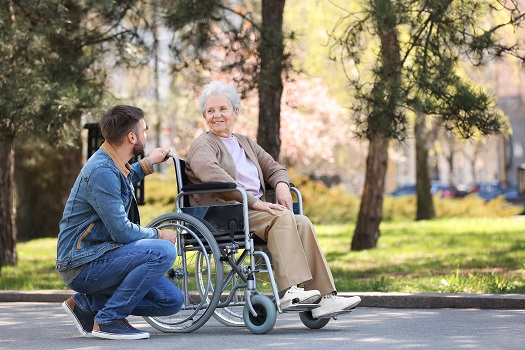
As we age, maintaining healthy vision becomes increasingly important for independence, safety, and quality of life. Proactive senior eye care can help prevent common age-related vision problems, support daily activities, and contribute to overall well-being. Understanding the unique needs of older adults and adopting practical habits can make a significant difference in preserving eyesight and promoting long-term ocular health.
In this guide, you’ll find practical advice on protecting vision, recognizing warning signs, and making lifestyle adjustments that support healthy eyes. We’ll also highlight helpful resources and products that can enhance safety and comfort for older adults. For those interested in optimizing comfort at home, learning about the benefits of a high backrest for seniors can further support overall well-being.
Why Vision Health Matters for Older Adults
Eyesight naturally changes with age, but many vision problems can be managed or even prevented with early detection and proper care. Conditions such as cataracts, glaucoma, age-related macular degeneration (AMD), and diabetic retinopathy are more common in older adults. These issues can impact daily activities, increase the risk of falls, and affect mental health.
Regular eye exams, a healthy lifestyle, and an awareness of environmental risks all play a role in maintaining strong vision. By prioritizing senior eye care, individuals can catch problems early and take steps to slow or prevent further deterioration.
Routine Eye Exams: The Foundation of Prevention
Scheduling comprehensive eye exams at least once a year is crucial for detecting changes in vision and identifying conditions before they become serious. Eye care professionals can monitor for diseases, update prescriptions, and provide guidance tailored to individual needs.
- Annual checkups help monitor for glaucoma, cataracts, and other age-related conditions.
- Discuss any new symptoms, such as blurred vision, floaters, or eye pain, with your provider.
- Bring a list of medications, as some can affect eye health.
Daily Habits to Support Healthy Eyes
Simple lifestyle changes can have a positive impact on vision and overall eye health. Here are some practical steps older adults and caregivers can take:
- Eat a balanced diet rich in leafy greens, colorful vegetables, and omega-3 fatty acids to support eye function.
- Stay hydrated to help maintain moisture in the eyes.
- Wear sunglasses that block UVA and UVB rays when outdoors.
- Use good lighting at home to reduce eye strain and prevent accidents.
- Take regular breaks from screens and reading to rest the eyes.
- Practice mobility exercises for seniors to improve circulation, which benefits eye health as well.

Creating a Safe and Supportive Home Environment
Vision changes can make it harder to navigate the home safely. Adapting the living space helps prevent falls and injuries while supporting independence. Consider these strategies:
- Install night lights in hallways, bathrooms, and bedrooms to improve visibility at night.
- Remove clutter and secure loose rugs to reduce tripping hazards.
- Use contrasting colors for furniture, stairs, and doorways to make them easier to see.
- Label medications and household items with large, clear print.
- Consider products like motion sensor lights and bed exit alarms for added safety.
For additional comfort, choosing furniture with supportive features can help. Learn more about the benefits of breathable fabrics for elderly skin to enhance daily living.
Managing Common Age-Related Eye Conditions
Several vision problems become more prevalent with age. Understanding these conditions and their symptoms allows for timely intervention:
- Cataracts: Clouding of the eye’s lens, leading to blurry vision. Surgery is often effective.
- Glaucoma: Increased pressure in the eye can damage the optic nerve. Early detection is key to preventing vision loss.
- Macular Degeneration: Affects central vision and can make reading or recognizing faces difficult.
- Diabetic Retinopathy: High blood sugar damages blood vessels in the retina. Managing diabetes helps reduce risk.
If you notice sudden changes in vision, such as flashes of light, a curtain-like shadow, or severe pain, seek medical attention immediately.

Supporting Eye Comfort and Reducing Strain
Many older adults experience dry eyes or discomfort, especially when reading or using digital devices. To help reduce eye strain:
- Use artificial tears or lubricating drops as recommended by your eye doctor.
- Adjust font sizes and contrast settings on phones, tablets, and computers.
- Position screens at eye level and maintain a comfortable viewing distance.
- Follow the 20-20-20 rule: every 20 minutes, look at something 20 feet away for 20 seconds.
- Choose seating that supports good posture. For tips on safe and comfortable rest, see how to use a recliner for sleeping.
Staying Active for Better Vision
Physical activity supports circulation and can help maintain healthy eyes. Gentle exercises, walking, and stretching all contribute to overall wellness. For those with mobility limitations, even simple chair exercises can be beneficial.
Staying active also helps manage chronic conditions like diabetes and hypertension, which are linked to vision loss. For more ideas, explore mobility exercises designed for seniors.
Frequently Asked Questions
How often should older adults have their eyes checked?
Most experts recommend a comprehensive eye exam every 12 months for adults over 65, or more frequently if there are existing eye conditions or risk factors. Regular checkups are essential for early detection and effective management of age-related vision changes.
What are early warning signs of vision problems in seniors?
Warning signs include sudden changes in vision, increased sensitivity to light, difficulty seeing at night, double vision, or seeing floaters and flashes. If any of these symptoms appear, consult an eye care professional promptly.
Are there ways to make the home safer for someone with low vision?
Yes, improving lighting, removing tripping hazards, using contrasting colors, and labeling items clearly can make a significant difference. Products like motion sensor night lights and bed exit alarms can also enhance safety and peace of mind.
Conclusion
Prioritizing senior eye care is vital for maintaining independence, safety, and quality of life as we age. By adopting healthy habits, scheduling regular eye exams, and making thoughtful adjustments at home, older adults and caregivers can help protect vision for years to come. For those interested in learning more about related topics, such as the risks of sleeping in a recliner for seniors, additional resources are available to support overall well-being.