

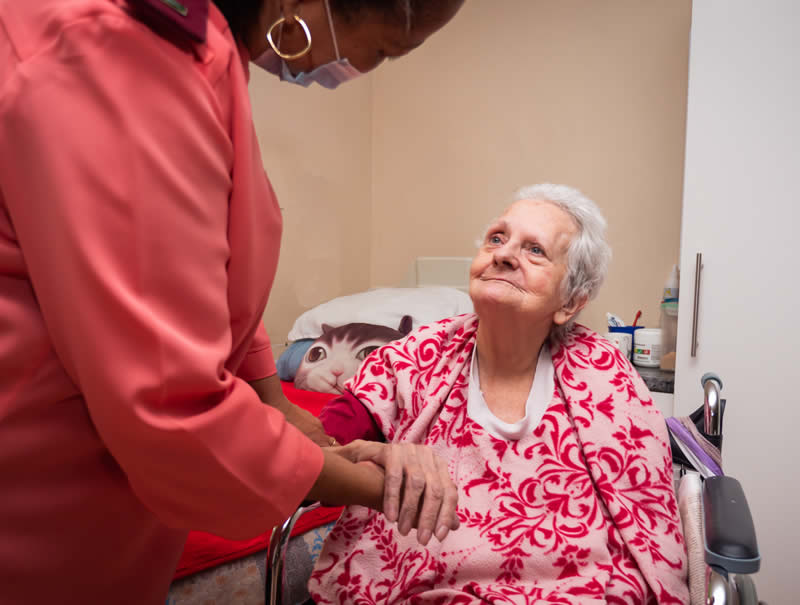
As people age, maintaining independence and comfort at home becomes increasingly important. Making thoughtful changes to a living environment can help reduce fall risks, improve mobility, and support daily routines for older adults. Senior home modifications are practical updates that adapt a home to evolving physical needs, making it safer and easier to navigate for those who wish to remain in familiar surroundings.
This guide explores essential upgrades and adjustments that can transform any residence into a more secure and accessible space. Whether you’re planning ahead for yourself or assisting a loved one, understanding the options available is the first step toward confident, independent living.
For a broader look at supportive services, see our overview of home care for seniors, which covers essential resources for safe aging at home.
Why Accessible Home Design Matters for Older Adults
As mobility, vision, and strength change with age, the home environment can present new challenges. Everyday features like stairs, bathtubs, or narrow doorways may become obstacles. Home modifications for seniors address these barriers, reducing the risk of falls and injuries while supporting autonomy.
According to health experts, even small changes—like improved lighting or secure handrails—can make a significant difference in daily safety. Proactive planning helps seniors stay comfortable and confident in their own homes for longer.
Key Areas to Focus on for Senior Home Modifications
Not every home requires a complete renovation. Often, targeted updates in high-use areas provide the most benefit. Below are the most impactful spaces to consider:
- Entrances and Exits: Ensure walkways are level, steps are secure, and thresholds are low or ramped for easy access.
- Bathrooms: Install grab bars, non-slip mats, and consider walk-in showers or raised toilet seats to reduce fall hazards.
- Kitchens: Adjust counter heights, add pull-out shelves, and improve lighting for safer meal preparation.
- Hallways and Stairs: Add sturdy handrails on both sides and use contrasting colors on steps for better visibility.
- Bedrooms: Position beds at an accessible height, and ensure clear pathways to bathrooms or exits.
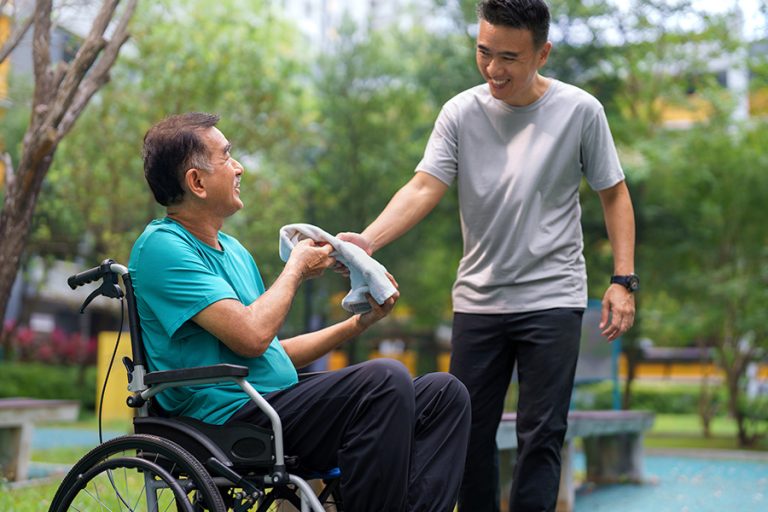
Essential Safety Upgrades for Every Room
Some of the most effective senior home modifications are simple, affordable, and quick to implement. Here are practical ideas for each area of the house:
Bathroom Adjustments
- Install grab bars near toilets and inside showers or tubs.
- Use non-slip flooring and bath mats to prevent slips.
- Consider a walk-in shower or tub with a seat for easier bathing.
- Raise toilet seats or use toilet frames for added stability.
Kitchen Improvements
- Lower countertops or add pull-out shelves for easier access.
- Place frequently used items within easy reach to avoid bending or stretching.
- Improve lighting, especially over work areas and the stove.
- Use lever-style faucet handles for easier operation.
Bedroom and Living Area Enhancements
- Ensure beds are at a comfortable height for getting in and out.
- Clear pathways and remove loose rugs or cords that could cause tripping.
- Install night lights or motion-activated lighting for safe nighttime movement.
- Add sturdy chairs with armrests to assist with sitting and standing.
Entryways and Stairs
- Install ramps or threshold bridges for wheelchair or walker access.
- Add handrails on both sides of stairs and at entry steps.
- Use slip-resistant treads and mark stair edges with contrasting tape or paint.
- Keep entryways well-lit and free of clutter.
For more ideas on maintaining independence, see our tips for aging in place safely and comfortably.
Assistive Devices and Smart Technology
In addition to structural changes, a variety of assistive devices for seniors and smart home technologies can further enhance safety and convenience. These solutions range from simple grabbers and reachers to advanced monitoring systems.
- Bed and chair alarms notify caregivers if someone tries to get up unassisted.
- Motion sensor night lights illuminate pathways automatically.
- Voice-activated assistants can control lights, thermostats, and emergency contacts.
- Medical alert systems provide immediate help at the push of a button.
Explore more senior technology innovations that support safer and smarter living environments.

Planning and Funding Accessibility Upgrades
Before starting any project, it’s wise to assess the home for current and future needs. Occupational therapists or certified aging-in-place specialists can provide personalized recommendations. Many communities offer home safety assessments, sometimes at no cost.
Funding options for senior home modifications may include government grants, local non-profit programs, or insurance benefits. Researching available resources can help offset costs and ensure the most effective solutions are chosen.
Staying active and engaged is also vital for well-being. For guidance on recommended exercise routines, see the physical activity guidelines for older adults from the NHS.
Maintaining Independence Through Ongoing Adaptation
Needs and abilities can change over time, so it’s important to review and update the home environment regularly. Simple seasonal checks—like ensuring walkways are clear in winter or updating lighting as vision changes—can prevent accidents and support ongoing independence.
For those experiencing mobility changes, our guide to senior mobility solutions offers practical advice for improving movement and daily comfort.
Frequently Asked Questions
What are the most important home modifications for seniors?
The most impactful changes typically include installing grab bars in bathrooms, adding ramps or handrails at entrances, improving lighting throughout the house, and removing tripping hazards like loose rugs. These adjustments address common risks and make daily activities safer.
How can I fund accessibility upgrades for an older adult’s home?
Funding sources may include government grants, local charities, and some insurance plans. It’s helpful to contact local agencies on aging or consult with a certified aging-in-place specialist to explore available financial assistance and make the most cost-effective choices.
Are smart home devices useful for seniors?
Yes, smart home technology can greatly enhance safety and convenience. Devices like motion sensor lights, voice-activated assistants, and medical alert systems help seniors manage their environment and call for help if needed, supporting greater independence.
Where can I find more information about assistive products for older adults?
For a comprehensive overview of helpful tools and devices, visit our resource on assistive devices for seniors.